

Brain Science – from Synapses to the Meaning of Life (Global Focus on Knowledge)






2

1

1
Content List


Available

Audio-Only
Listening
Introduction – Brain Science
Available
Audio-Only
Listening
Available
Audio-Only
Listening
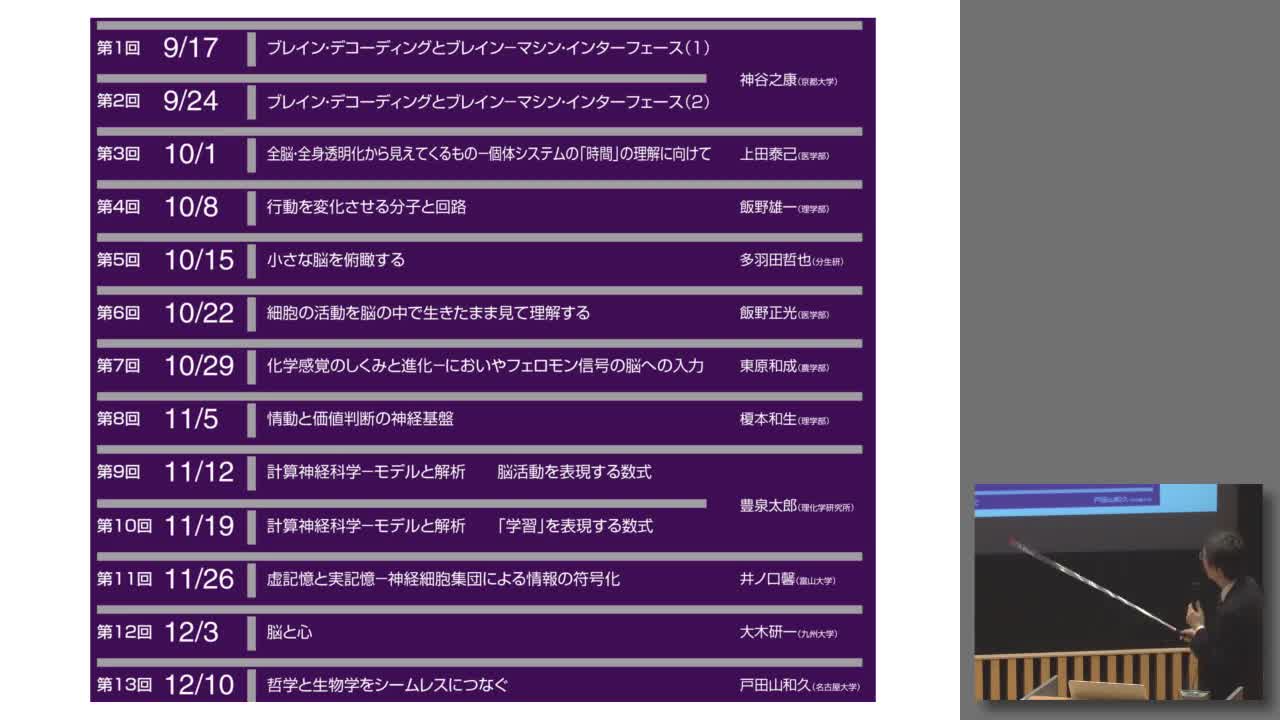
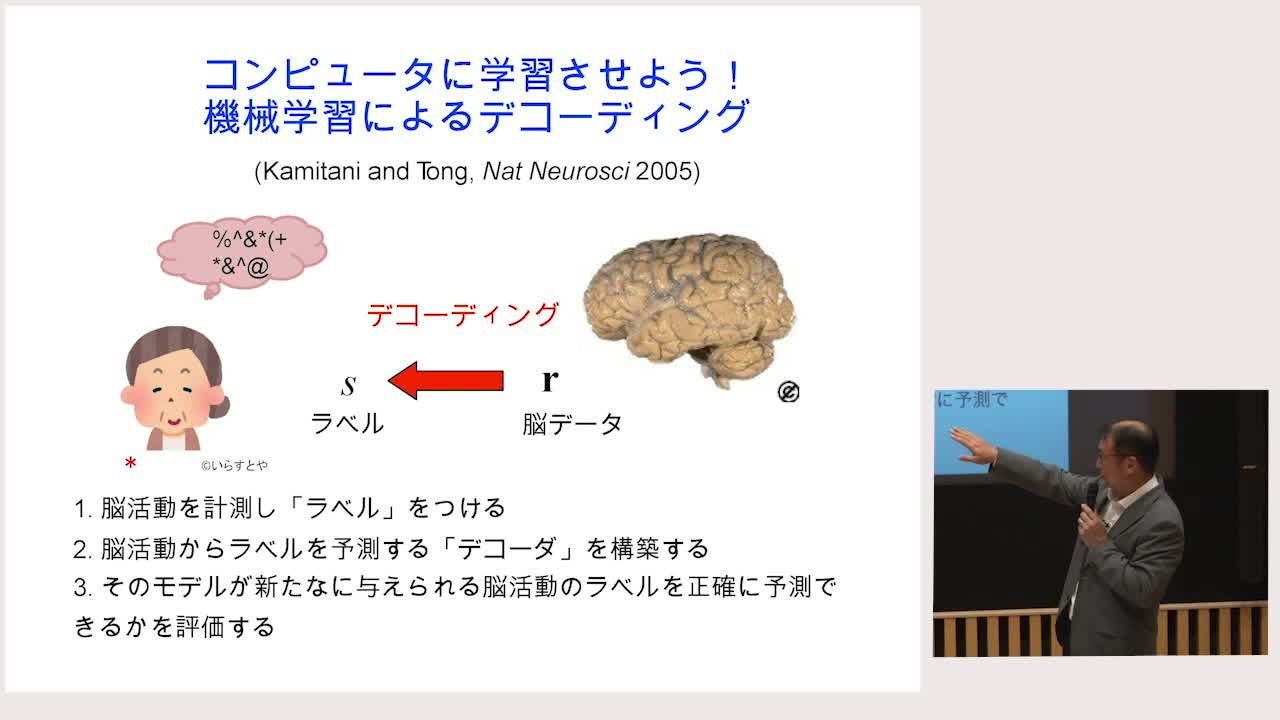
#1 Brain Decoding and Brain-Machine Interface(1)
Brain signals can be regarded as “codes” that represent mental states. We will introduce the ways of “decoding” these signals using methods of information science, and techniques for manipulating machines and computers based on the decoded information.
Available
Audio-Only
Listening
Available
Audio-Only
Listening
#2 Brain Decoding and Brain-Machine Interface(2)
Available
Audio-Only
Listening
Available
Audio-Only
Listening
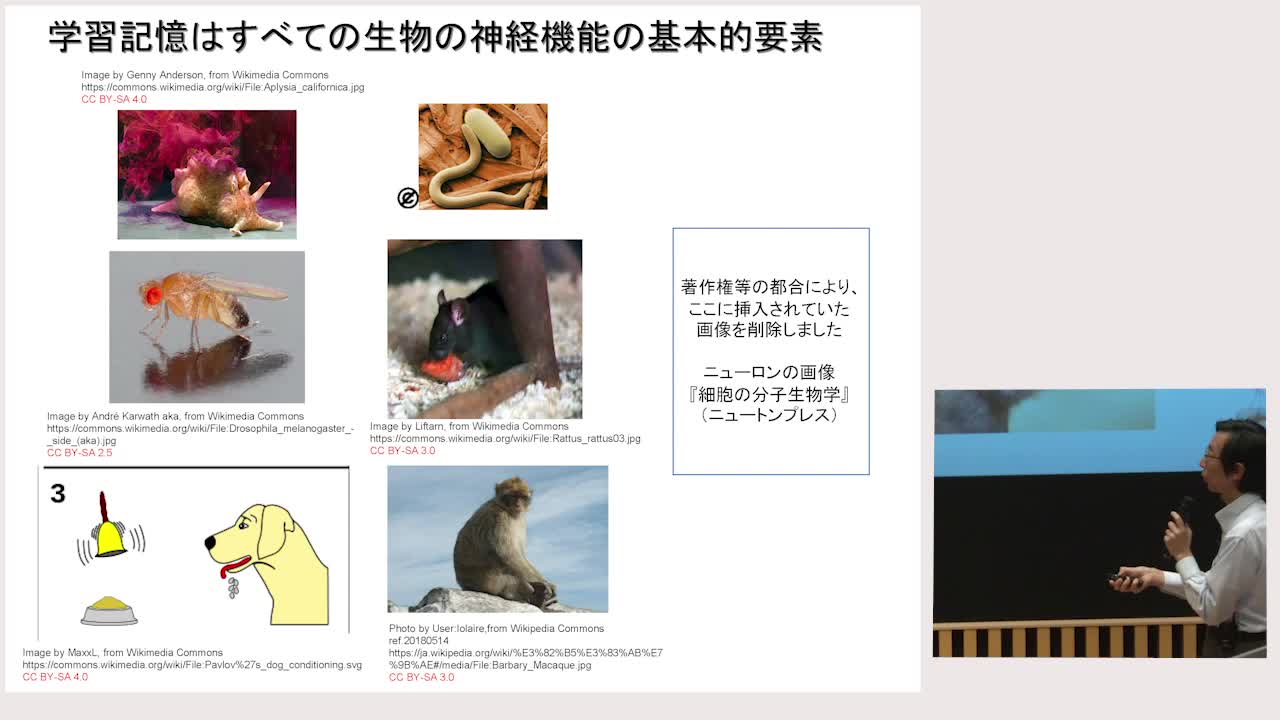
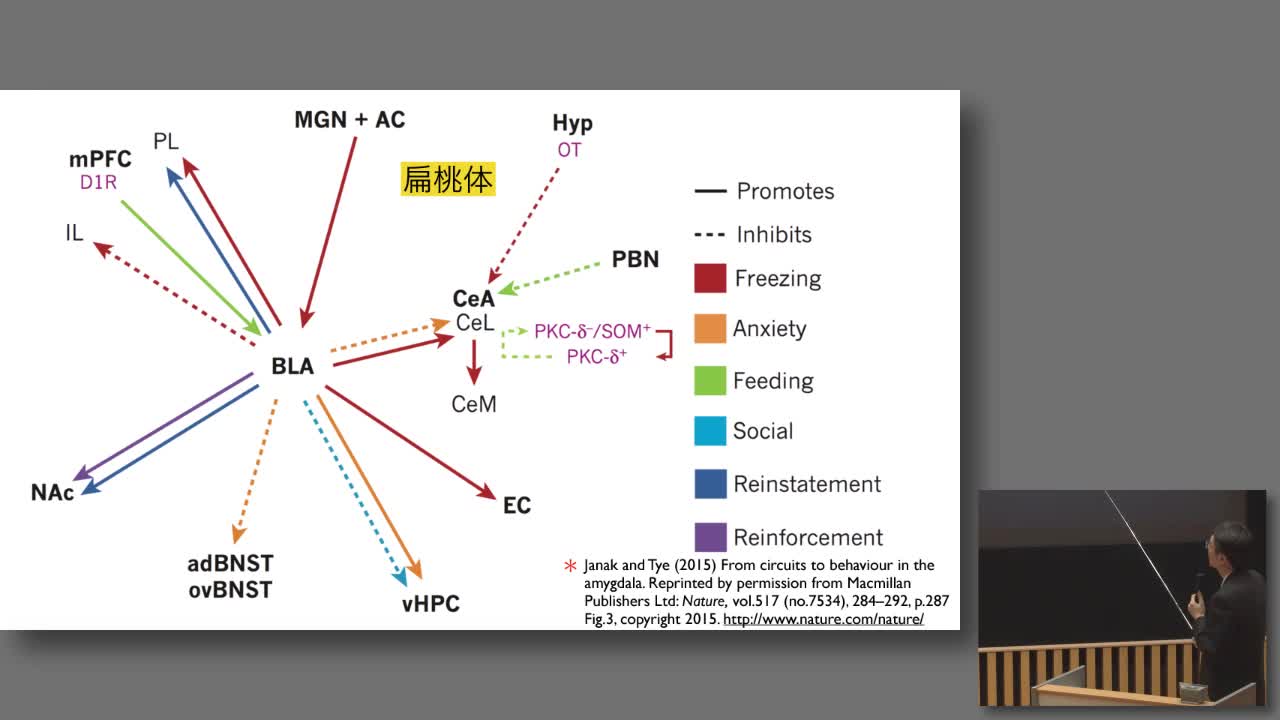
#4 Molecules and Circuits that Generate Behavioral Plasticity
The most important function of the brain’s nervous system is the ability to change behavior depending on environmental situations based on past experiences. What roles does each neuron play in producing these behavioral plasticities? We will discuss findings from research on nematodes, which allows high-resolution analyses thanks to its compact nervous system.
Available
Audio-Only
Listening
Available
Audio-Only
Listening
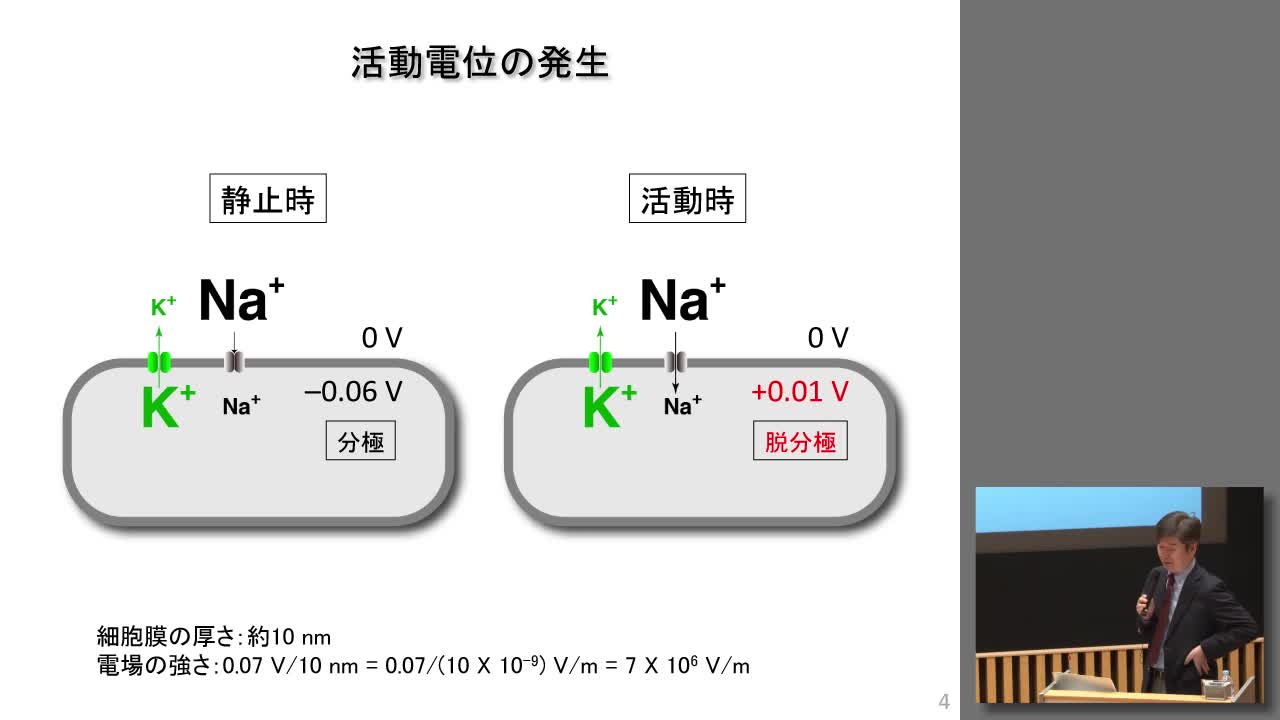
#5 A Global Focus on a Small Brain
The fruit fly has a very small brain, the neural activities of which can be observed under a microscope. We will introduce part of ongoing efforts to understand the memory mechanisms with this kind of experiment.
Available
Audio-Only
Listening
Available
Audio-Only
Listening
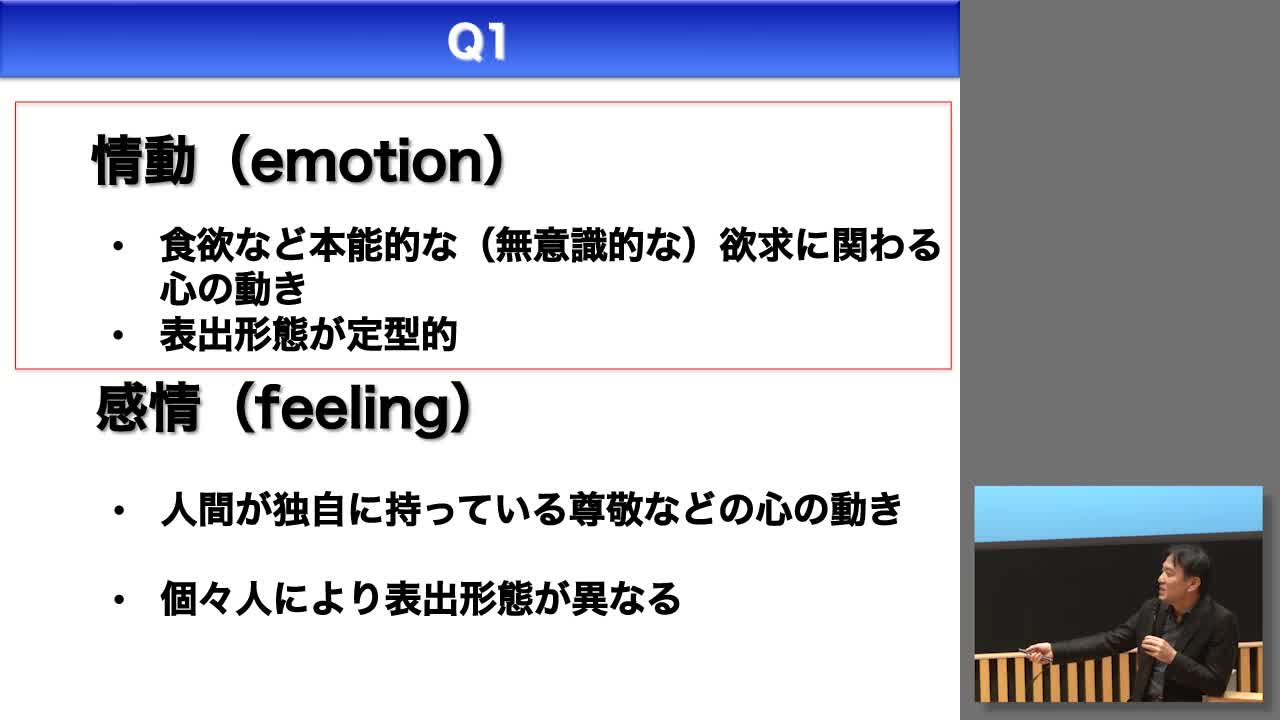
#6 Understanding Cellular Activities Observed Alive in the Brain
Technology is making dramatic progress in observing individual cells in the brains of living animals communicating with one another to work together. We will explain in detail how this is possible and what can be learned from it.
Available
Audio-Only
Listening
Available
Audio-Only
Listening
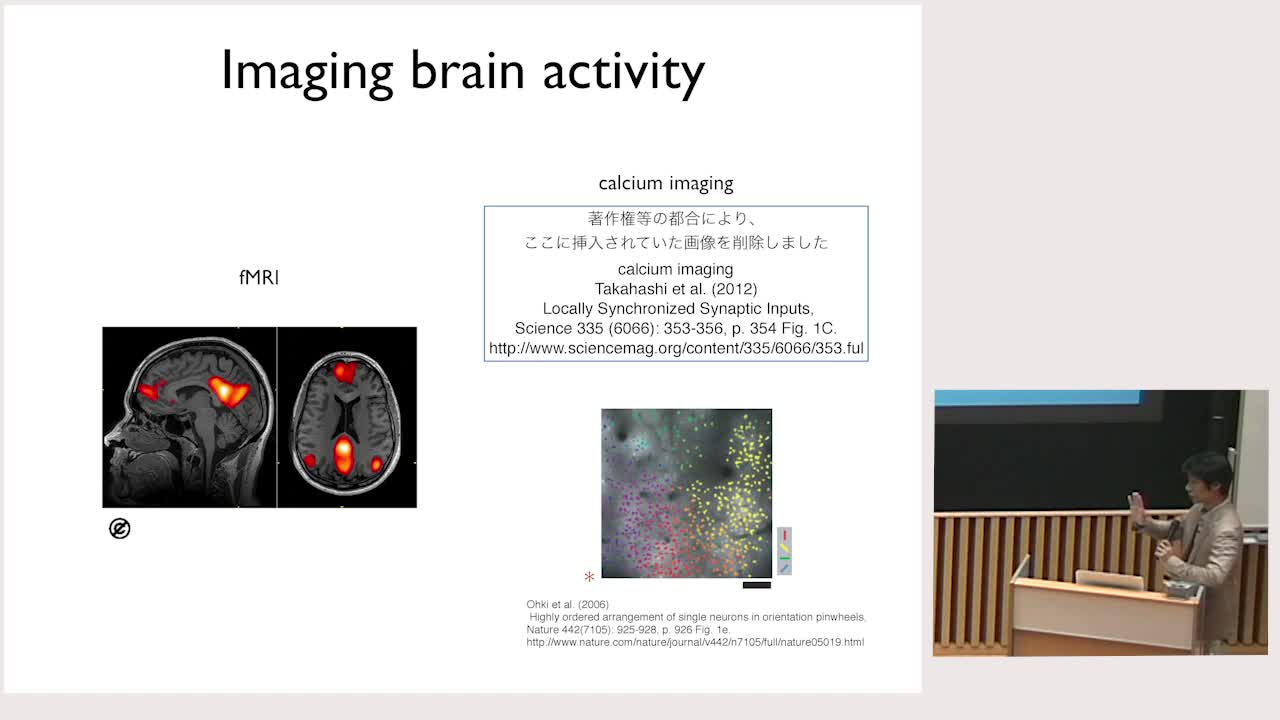
#8 Neural Basis of Emotions and Value-based Decisions
Humans by nature have emotions such as likes and dislikes. We can also suddenly hate something that we previously loved, and vice versa. How does our brain decide what we like and dislike? Do lower organisms like insects have similar systems in their brains? We will explain the brain mechanisms for emotions and value-based decisions in animals.
Available
Audio-Only
Listening
Available
Audio-Only
Listening
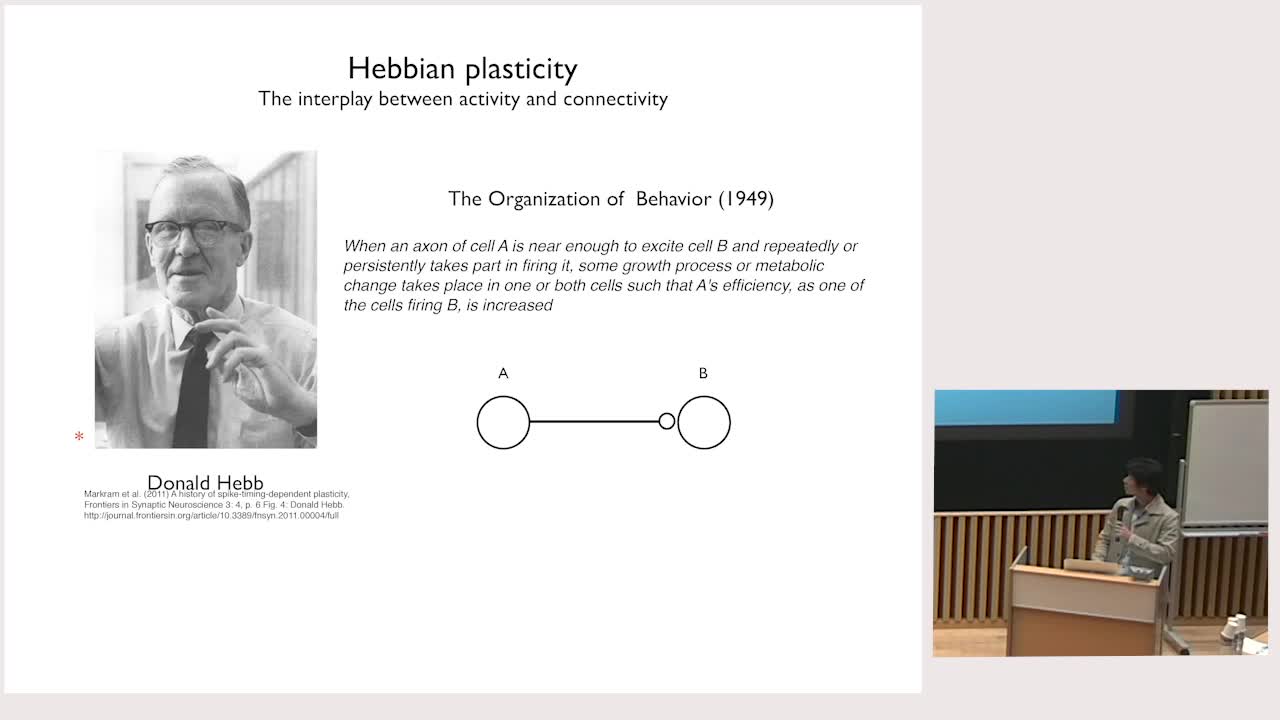
#9 Computational Nuroscience – Models and Analyses, Mathematical Models Describing Brain Activity
Rapid advances in experimental technology have enabled us to measure and manipulate activities of a large number of neurons in the brain. How can we understand brain functions based on these big and complex data? In this lecture, we will introduce analytical techniques from physics and information theory to investigate key functional properties for neuronal circuits that can relate diverse experi…
Available
Audio-Only
Listening
Available
Audio-Only
Listening
#10 Computational Nuroscience – Models and Analyses, Mathematical Models Describing “Learning”
Available
Audio-Only
Listening

Available
Audio-Only
Listening
#11 False Memories and Real Memories – Encoding of Information by Neuronal Cell Populations
Are your memories real!?This lecture will present latest research on how memories are stored in the brain. Now it is possible to create new memories by artificially combining different old memories. We will also talk about cutting-edge research in brain science that focuses on the “medicine of memory” to control traumatic memories. What if human beings succeed in creating memories that they have …
Available
Audio-Only
Listening
Available
Audio-Only
Listening
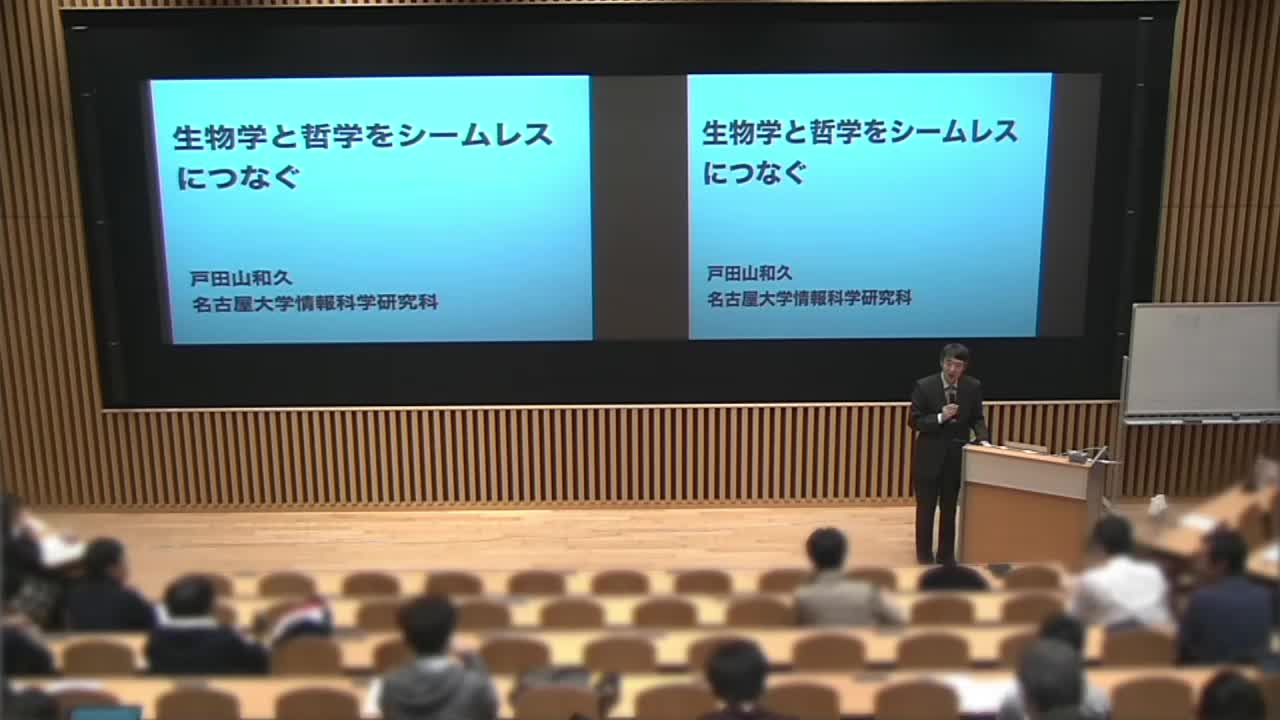
#13 Seamless Connection between Philosophy and Biology
The development of life science and cognitive science has made scientists address the question of what human beings are. Above all, the mind, values, and ethics – once considered the exclusive domains of philosophy – have also become the subjects of science. How should philosophy deal with such issues? Through examples we will discuss how traditional philosophical questions can become even more i…
Available
Audio-Only
Listening
 Back to Series List