

Formation of Society-History of Man's Symbiosis (Global Focus on Knowledge)






0

1

0
Content List
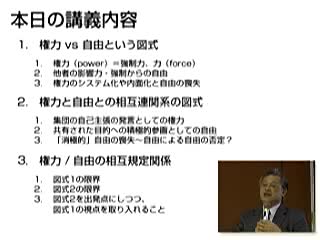
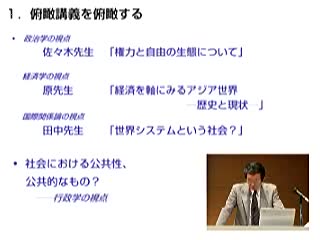
On the Ecology of Power and Freedom


Available

Audio-Only
Listening
#1 The Mutually Regulated Relationship of Power and Freedom
政治現象を理解する上で欠かせないのが権力の理解である。権力現象は複雑多岐にわたるが、それは人間の自由の現れと表裏一体の関係にある。政治権力の誕生はその中の着目すべき独特の現象であることを念頭に、その生態の現代にまで及ぶ基本的な特製を把握する。
Available
Audio-Only
Listening
Available
Audio-Only
Listening
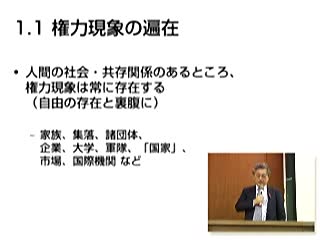
#2 Political Power and Institutionalization -Constitutionalism-
政治現象を理解する上で欠かせないのが権力の理解である。権力現象は複雑多岐にわたるが、それは人間の自由の現れと表裏一体の関係にある。政治権力の誕生はその中の着目すべき独特の現象であることを念頭に、その生態の現代にまで及ぶ基本的な特製を把握する。
Available
Audio-Only
Listening
Available
Audio-Only
Listening
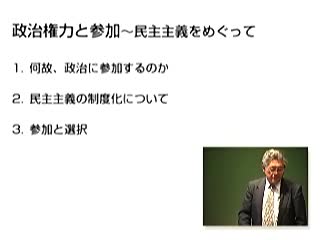
#3 Political Power and Participation -Democracy-
政治現象を理解する上で欠かせないのが権力の理解である。権力現象は複雑多岐にわたるが、それは人間の自由の現れと表裏一体の関係にある。政治権力の誕生はその中の着目すべき独特の現象であることを念頭に、その生態の現代にまで及ぶ基本的な特製を把握する。
Available
Audio-Only
Listening
Available
Audio-Only
Listening
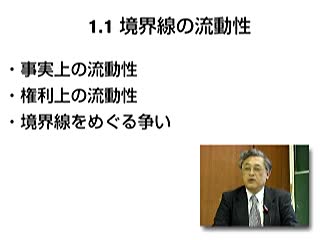
#4 Political Power and Territorial Boundaries -Road to a Sovereign State-
政治現象を理解する上で欠かせないのが権力の理解である。権力現象は複雑多岐にわたるが、それは人間の自由の現れと表裏一体の関係にある。政治権力の誕生はその中の着目すべき独特の現象であることを念頭に、その生態の現代にまで及ぶ基本的な特製を把握する。
Available
Audio-Only
Listening
The Study of The Asian World From an Economic Standpoint -History and Present Conditions-
Available
Audio-Only
Listening
#5 Ecological Diversity and Historical Structure in Asia
Available
Audio-Only
Listening
Available
Audio-Only
Listening
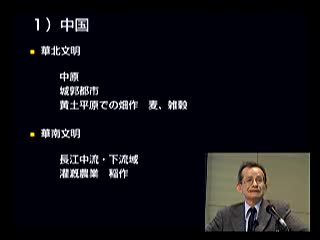
#6 Great Civilizations in Asia China and India
Available
Audio-Only
Listening
Available
Audio-Only
Listening
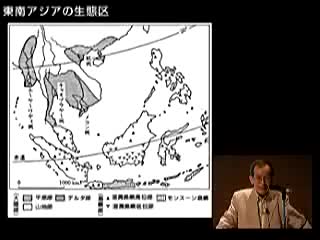
#7 Peripheral Civilizations in East Asia
Available
Audio-Only
Listening
Available
Audio-Only
Listening
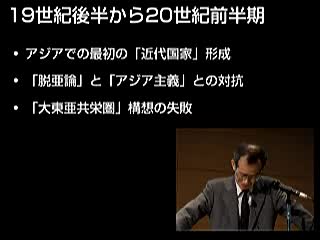
#8 Japan and Asia in the 21st Century
Available
Audio-Only
Listening
Considerations on Society as a Global System
Available
Audio-Only
Listening
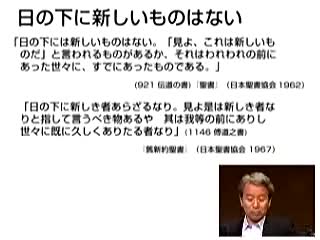
#9 Different perspectives on global systems
国境や民族の境を超える人々の相互作用は、「社会」を形作るのだろうか。そのような「大きなシステム」にはどのような特徴があると考えられてきただろうか。一般的に政府が存在しないとき、人々はどうやって共生するのだろうか。21世紀の世界は、これまでの世界と比べて、何が変化してきたのか。現在の東南アジアの動向を、どのように理解したらよいか。人文社会科学のさまざまなアプローチを検討しつつ、これらの問題を考える。
Available
Audio-Only
Listening
Available
Audio-Only
Listening
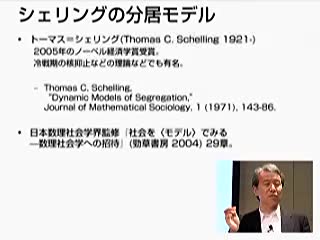
#10 Symbiosis of societies in the absence of government
こちらの講義の概要をだいふくちゃん通信でもご紹介しています。 ⇒【共生と秩序】合理的意思決定とは?(だいふくちゃん通信)
Available
Audio-Only
Listening
Available
Audio-Only
Listening
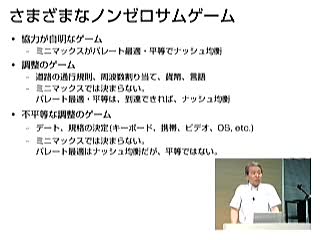
#11 World Systems in the Modern Ages & 21st Century
国境や民族の境を超える人々の相互作用は、「社会」を形作るのだろうか。そのような「大きなシステム」にはどのような特徴があると考えられてきただろうか。一般的に政府が存在しないとき、人々はどうやって共生するのだろうか。21世紀の世界は、これまでの世界と比べて、何が変化してきたのか。現在の東南アジアの動向を、どのように理解したらよいか。人文社会科学のさまざまなアプローチを検討しつつ、これらの問題を考える。
Available
Audio-Only
Listening
Available
Audio-Only
Listening
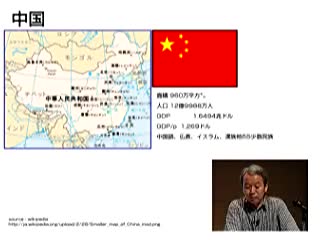
#12 Regionalization in a global system -Southeast Asia
国境や民族の境を超える人々の相互作用は、「社会」を形作るのだろうか。そのような「大きなシステム」にはどのような特徴があると考えられてきただろうか。一般的に政府が存在しないとき、人々はどうやって共生するのだろうか。21世紀の世界は、これまでの世界と比べて、何が変化してきたのか。現在の東南アジアの動向を、どのように理解したらよいか。人文社会科学のさまざまなアプローチを検討しつつ、これらの問題を考える。
Available
Audio-Only
Listening
Formation of Society and Social Science
 Back to Series List