

Academics and Humans (Global Focus on Knowledge)






14

14

14
Content List
Science of Humans


Available

Audio-Only
Listening
#1 Is a Science of "Mind" Possible?
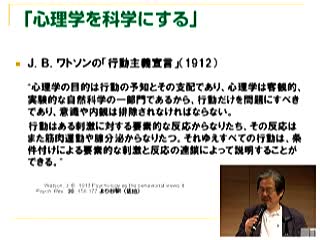
人間を科学的に探求するということについて、20世紀初めには物理学をモデルにして心理学が生まれたが、認知心理学、認知科学に発展する中で、コンピュータ科学や人類学、社会学などを取り込み、しだいに状況論的・関係論的視点を取り入れるにいたってきた経緯を解説する。最後に、ヒトを「ヒトとして見る」ことの意味を考える。
Available
Audio-Only
Listening
Available
Audio-Only
Listening
#2 Viewing Humans in "Relationships"
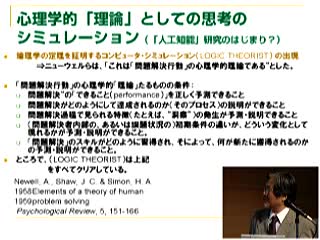
人間を科学的に探求するということについて、20世紀初めには物理学をモデルにして心理学が生まれたが、認知心理学、認知科学に発展する中で、コンピュータ科学や人類学、社会学などを取り込み、しだいに状況論的・関係論的視点を取り入れるにいたってきた経緯を解説する。最後に、ヒトを「ヒトとして見る」ことの意味を考える。
Available
Audio-Only
Listening
Available
Audio-Only
Listening
#3 Seeing Objects, Seeing Humans
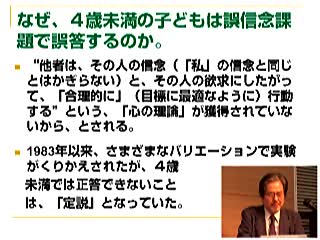
人間を科学的に探求するということについて、20世紀初めには物理学をモデルにして心理学が生まれたが、認知心理学、認知科学に発展する中で、コンピュータ科学や人類学、社会学などを取り込み、しだいに状況論的・関係論的視点を取り入れるにいたってきた経緯を解説する。最後に、ヒトを「ヒトとして見る」ことの意味を考える。
Available
Audio-Only
Listening
Academics and Religion
Available
Audio-Only
Listening
#4 Inevitable Relationship
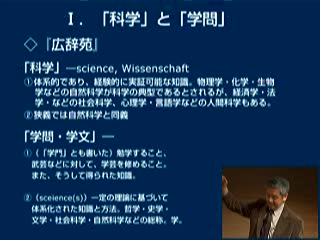
「宗教」と聞いただけでひいてしまう人は多いだろう。そう、宗教はあぶない。でも、宗教だけがあぶないのだろうか。人は誰でもあぶないし、学問だってえらそうな顔をしているが、本当はあぶないのだ。それなら、勇を奮って、もう一度正面から宗教に真向かってみようではないか。学問と宗教は切っても切れない関係にあるのかもしれない。
Available
Audio-Only
Listening
Available
Audio-Only
Listening
#5 Are Religions Dangerous!?
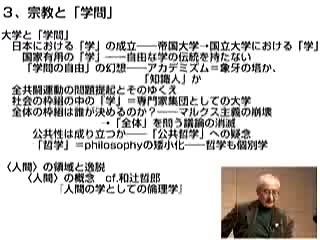
こちらの講義の概要をだいふくちゃん通信でもご紹介しています。 ⇒【今一度 振り返ってみよう 日本の宗教観】宗教はあぶない?!(だいふくちゃん通信)
Available
Audio-Only
Listening
Available
Audio-Only
Listening
#6 For All That, Religions!?
「宗教」と聞いただけでひいてしまう人は多いだろう。そう、宗教はあぶない。でも、宗教だけがあぶないのだろうか。人は誰でもあぶないし、学問だってえらそうな顔をしているが、本当はあぶないのだ。それなら、勇を奮って、もう一度正面から宗教に真向かってみようではないか。学問と宗教は切っても切れない関係にあるのかもしれない。
Available
Audio-Only
Listening
Academics and Privity
Available
Audio-Only
Listening
#7 Academic Disciplines and Positionality: Gender Studies
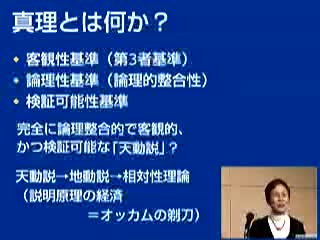
「わたし」のことを研究すると、学問ではないのか?自分で自分を研究対象とすれば「主観的」と呼ばれ、「科学的でない」と言われる。学問は、「中立・客観性」の神話によって厚く守られてきた。「客観」もまた「もうひとつの主観」ではないのか?だれをも「中立」の立場に置かない利害の異なる問題のなかでは、「第三者」とは多数派という名前の「もうひとりの当事者」ではないのか?「わたしのことはわたしがいちばんよく知って…
Available
Audio-Only
Listening
Available
Audio-Only
Listening
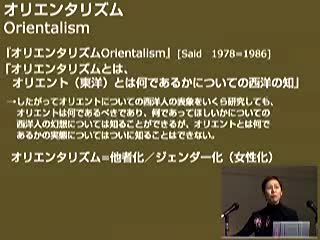
#8 Academic Disciplines and Positionality: Postcolonial studies
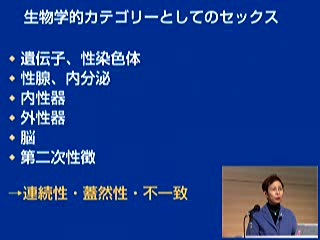
「わたし」のことを研究すると、学問ではないのか?自分で自分を研究対象とすれば「主観的」と呼ばれ、「科学的でない」と言われる。学問は、「中立・客観性」の神話によって厚く守られてきた。「客観」もまた「もうひとつの主観」ではないのか?だれをも「中立」の立場に置かない利害の異なる問題のなかでは、「第三者」とは多数派という名前の「もうひとりの当事者」ではないのか?「わたしのことはわたしがいちばんよく知って…
Available
Audio-Only
Listening
Available
Audio-Only
Listening
#9 Privity and Expertness
「わたし」のことを研究すると、学問ではないのか?自分で自分を研究対象とすれば「主観的」と呼ばれ、「科学的でない」と言われる。学問は、「中立・客観性」の神話によって厚く守られてきた。「客観」もまた「もうひとつの主観」ではないのか?だれをも「中立」の立場に置かない利害の異なる問題のなかでは、「第三者」とは多数派という名前の「もうひとりの当事者」ではないのか?「わたしのことはわたしがいちばんよく知って…
Available
Audio-Only
Listening
Academics and History

Available
Audio-Only
Listening
#10 Asleep of humans
こちらの講義の概要をだいふくちゃん通信でもご紹介しています。 ⇒ミシェル・フーコーの歴史観【哲学の「思いあがり」を捨て去るために】(だいふくちゃん通信)
Available
Audio-Only
Listening
Available
Audio-Only
Listening
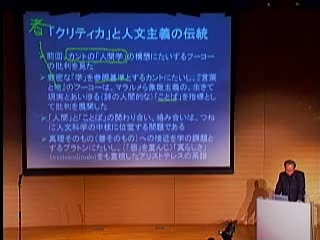
#11 The Tradition of "Critica"
「歴史のなかのアートとサイエンス」。自然科学にしろ、人文科学にしろ、学問としてのそれらの研究・教育体制が今日見る形で整うのは一九世紀以後のことにすぎない。それに先立つ古代以来のリベラル・アーツの影響作用史のなかに、サイエンスを相対化し、ファイン・アーツと通底させる精神史の基層のあり方をさぐってみたい。
Available
Audio-Only
Listening
Available
Audio-Only
Listening
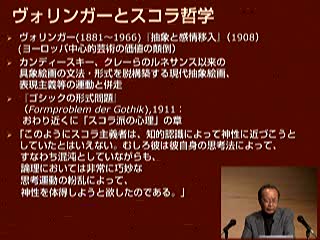
#12 Science, Philosophy, Literature
「歴史のなかのアートとサイエンス」。自然科学にしろ、人文科学にしろ、学問としてのそれらの研究・教育体制が今日見る形で整うのは一九世紀以後のことにすぎない。それに先立つ古代以来のリベラル・アーツの影響作用史のなかに、サイエンスを相対化し、ファイン・アーツと通底させる精神史の基層のあり方をさぐってみたい。
Available
Audio-Only
Listening
 Back to Series List