

Tokyo College Event





2

1

0
Content List
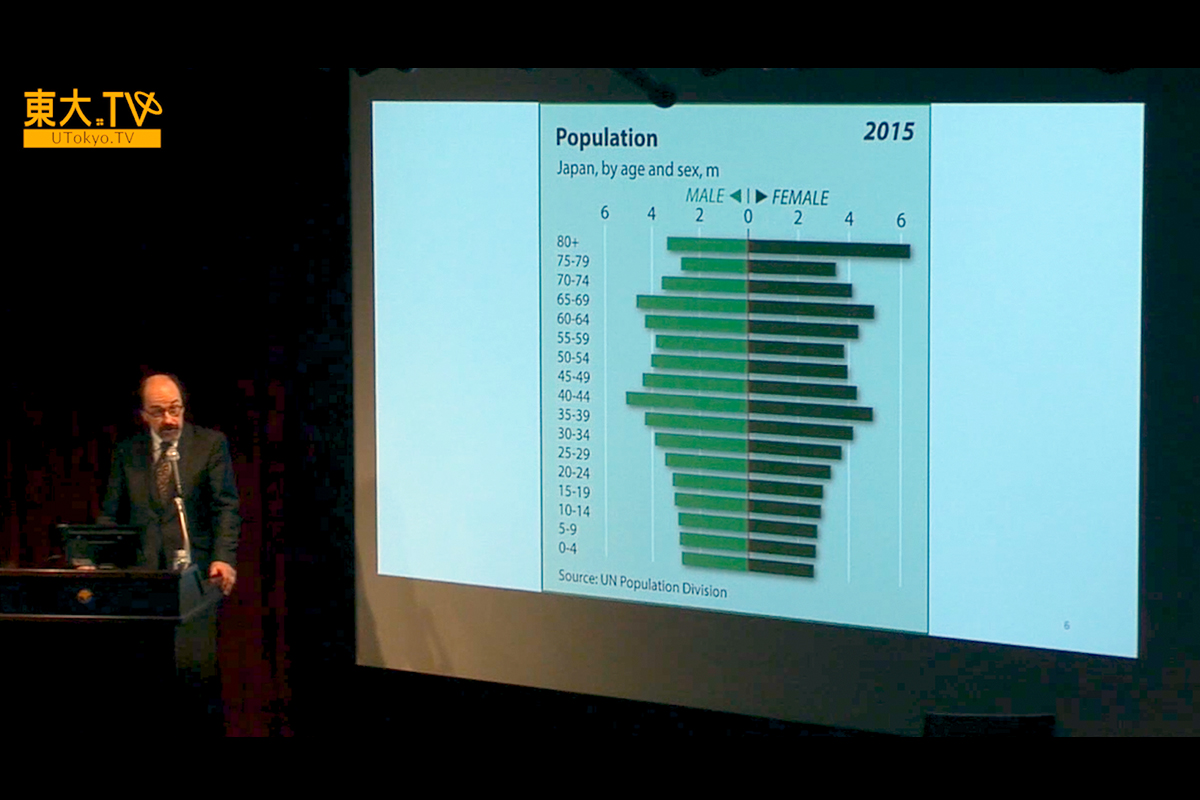

#1 Envisioning a Far More Female Future of Japan [EN]
This is a public lecture by a leading international journalist, Mr. Bill Emmott, who has made a number of interviews with Japanese female leaders and states that, in 20 years, the innovative energy of Japanese women will contribute greatly to bringing growth and dynamic change back to Japanese society. ★Tokyo College : https://www.tc.u-tokyo.ac.jp/en/
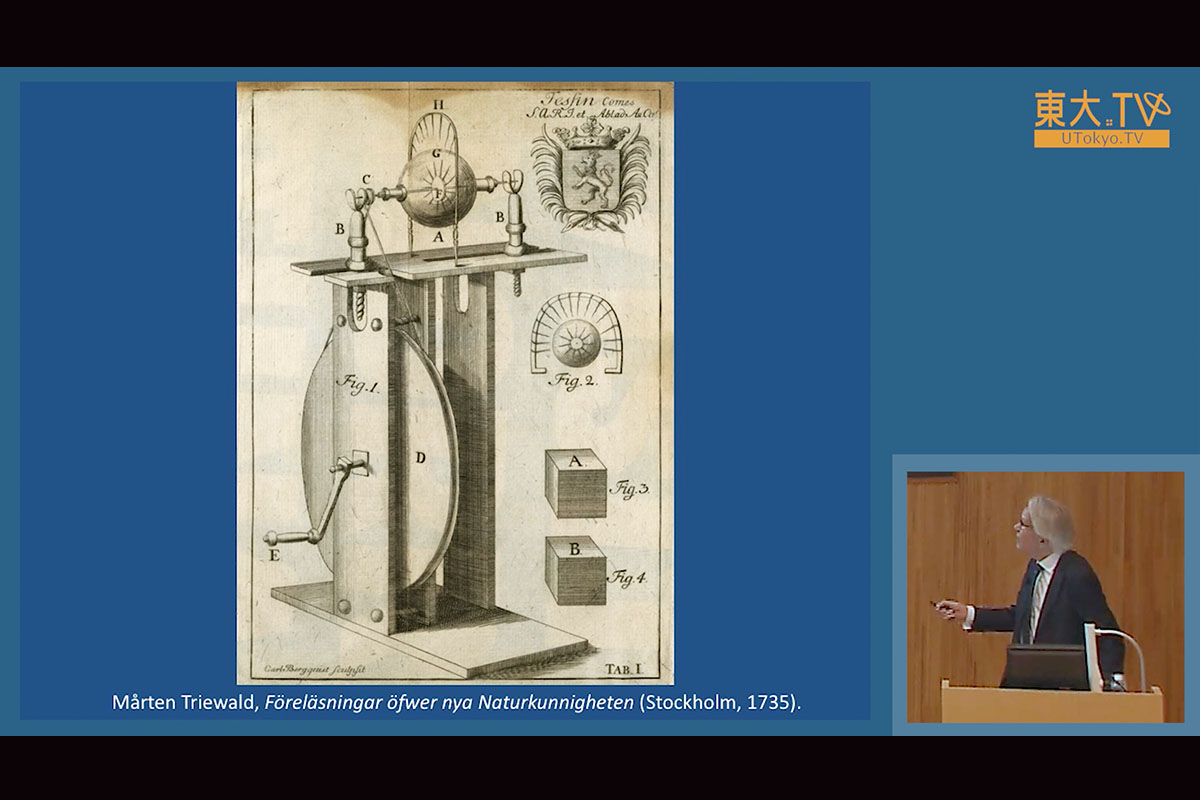
#2 The Gothic Cathedral of Science: The Nobel Prize and the Concept of‘ Revolution’ [EN]
This lecture focuses on the concept of revolution and its relevance for the Nobel Prizes in physics, chemistry and medicine. Taking medieval European cathedrals as a metaphor, the lecture will discuss the different ways of viewing scientific development by sociologists of science on the one hand and by natural scientists on the other. It will be suggested that the Nobel Prize – since it has exist…
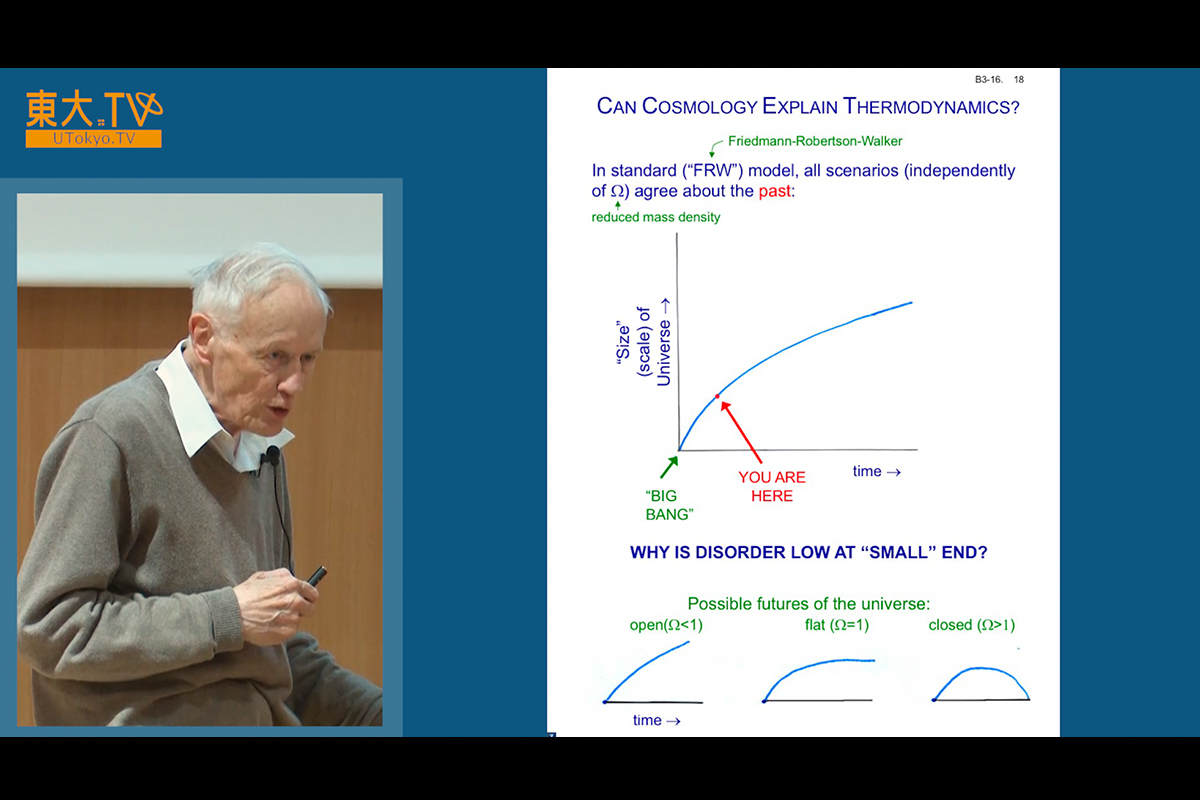
#3 Why Can't Time Run Backwards? [EN]
We can all tell when a movie of some everyday event, such as a kettle boiling or a glass shattering, is run backwards. Similarly, we all feel that we can remember the past and affect the future, not vice versa. So there is a very clear "arrow"(direction) of time built into our interpretation of our everyday experience. Yet the fundamental microscopic laws of physics, be they classical or quant…
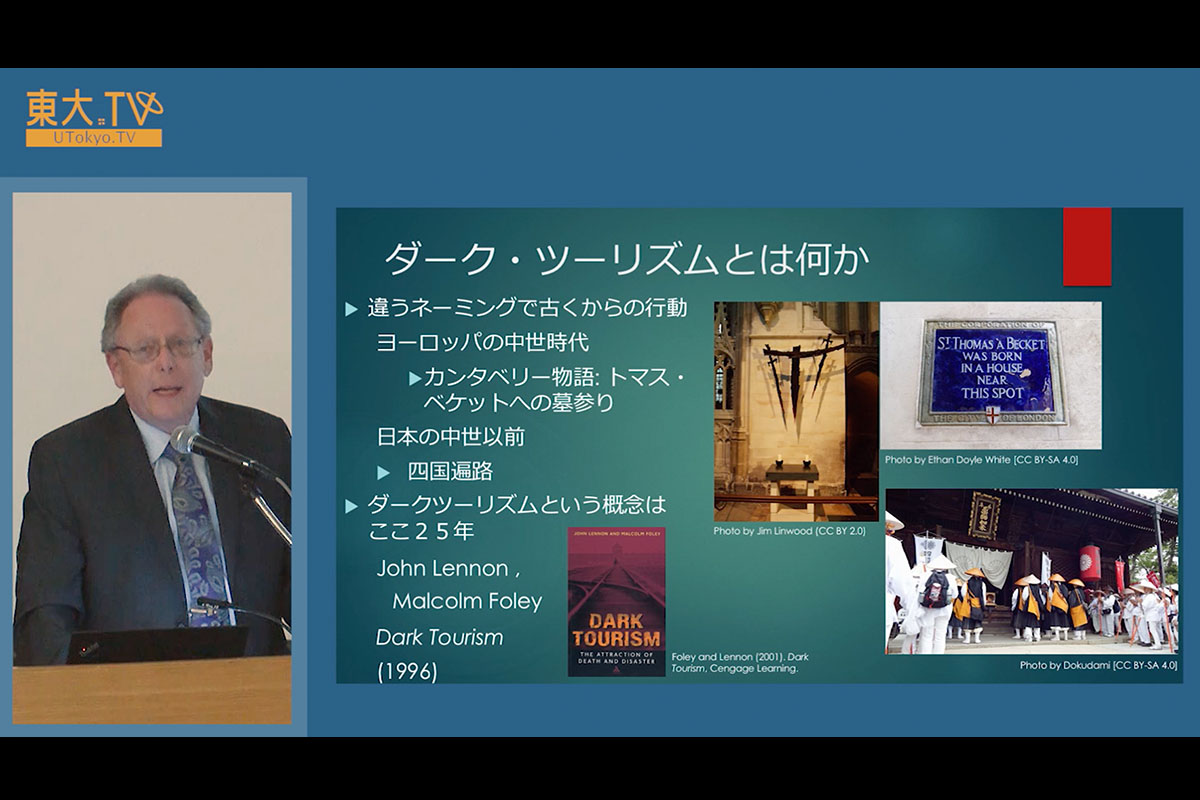
#4 ‘Dark Tourism’ in Japan: Global, National, and Local Perspectives [JP]
Exploring “light” and “dark” history. The term “dark tourism” describes visits to sites of tragic and destructive historical events. Famous examples include the Auschwitz concentration camp or the Hiroshima Peace Memorial. Other locations, such as the “Sites of Japan’s Meiji Industrial Revolution”, combine elements of “light” and “dark” history. This talk will discuss the sites of what one mig…
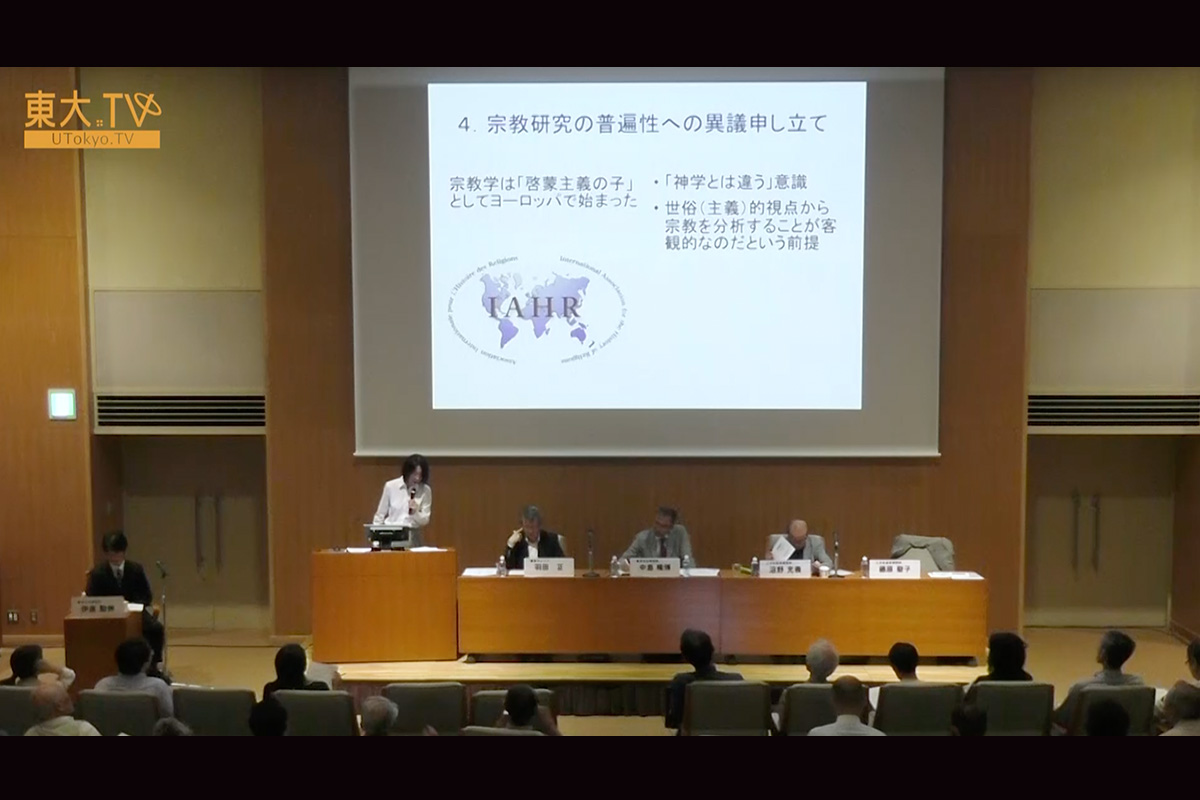
#5 What is the ‘World’ in Japanese? Reexamination of Philosophy, History, Literature, and Religion [JP]
On July 10, 2019, Tokyo College held a symposium on “What is the ‘World?’ Reexamination of, Philosophy, History, Literature, and Religion.” ★Tokyo College https://www.tc.u-tokyo.ac.jp/en/ NOTE: - This lecture was conducted only in Japanese.
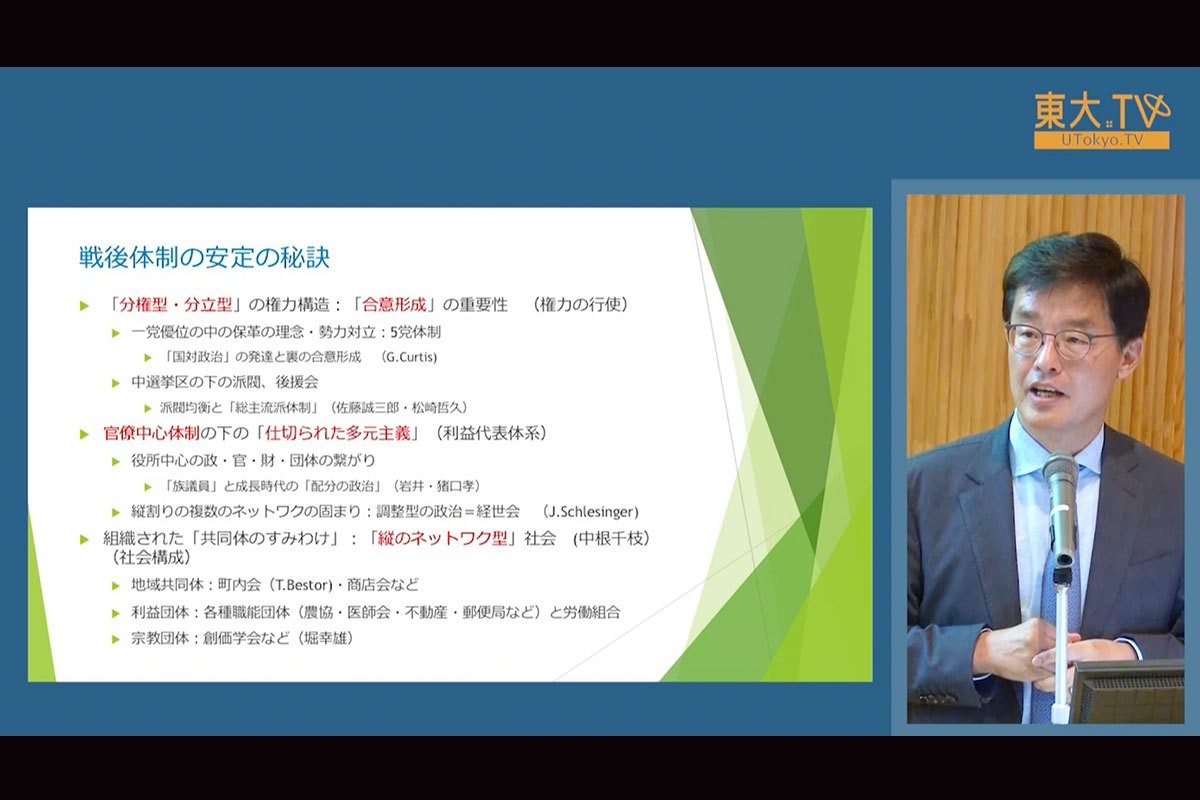
#6 Japan That Breaks Away from ‘the Postwar’ [JP]
Japan’s new shape, neither extension of postwar regime nor return to the prewar order During what the Japanese call ‘the lost two decades’, Japan experienced great social and political transformations in the area of ideology, institutions, and actors. The second Abe Cabinet is carrying out a series of reform under the leadership of the Prime Minister’s Office, an attempt to overcome the decentra…
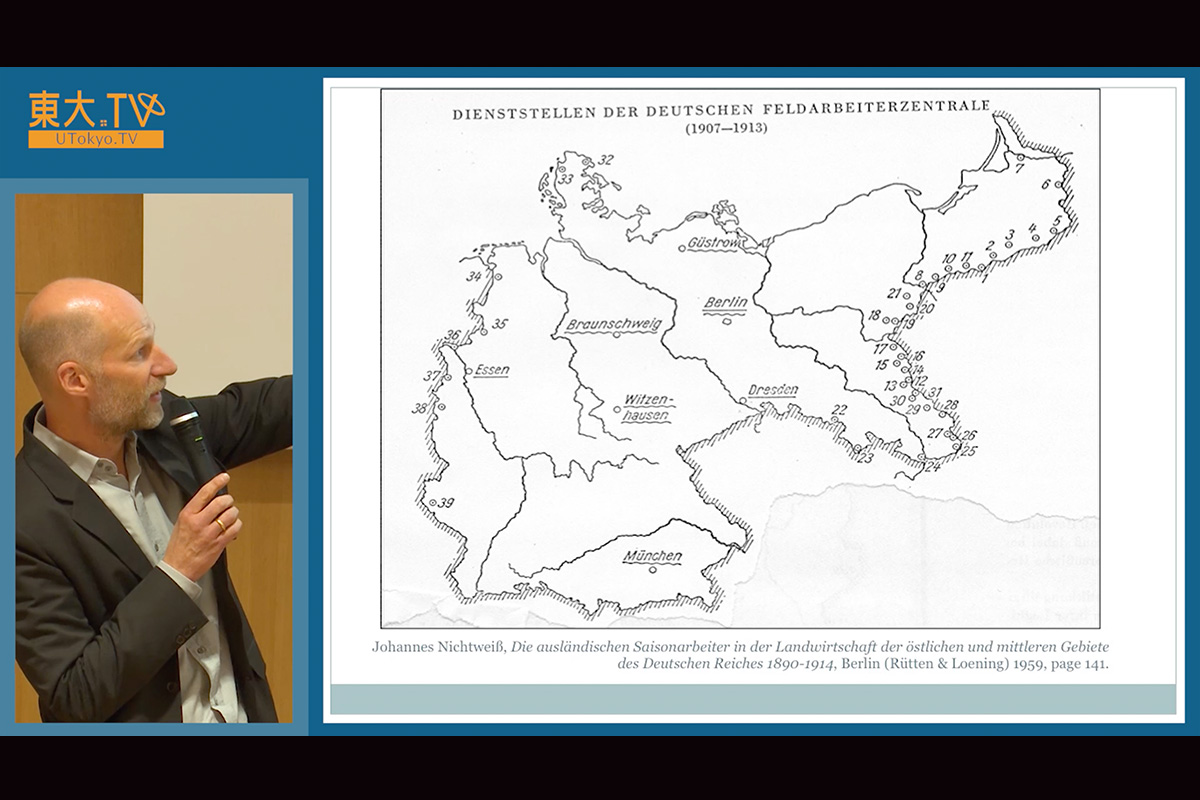
#7 Global History1:Why Do We Need Global History? [EN]
What is global history? Why do we need global history now? Is it possible to discuss identity, which is one of the most important concepts in the contemporary world, in context of global history? The world’s top global historians will discuss these points over two days. 1 day "Why Do We Need Global History?" ★Tokyo College https://www.tc.u-tokyo.ac.jp/en/
#8 Global History2:Global History of Identity [EN]
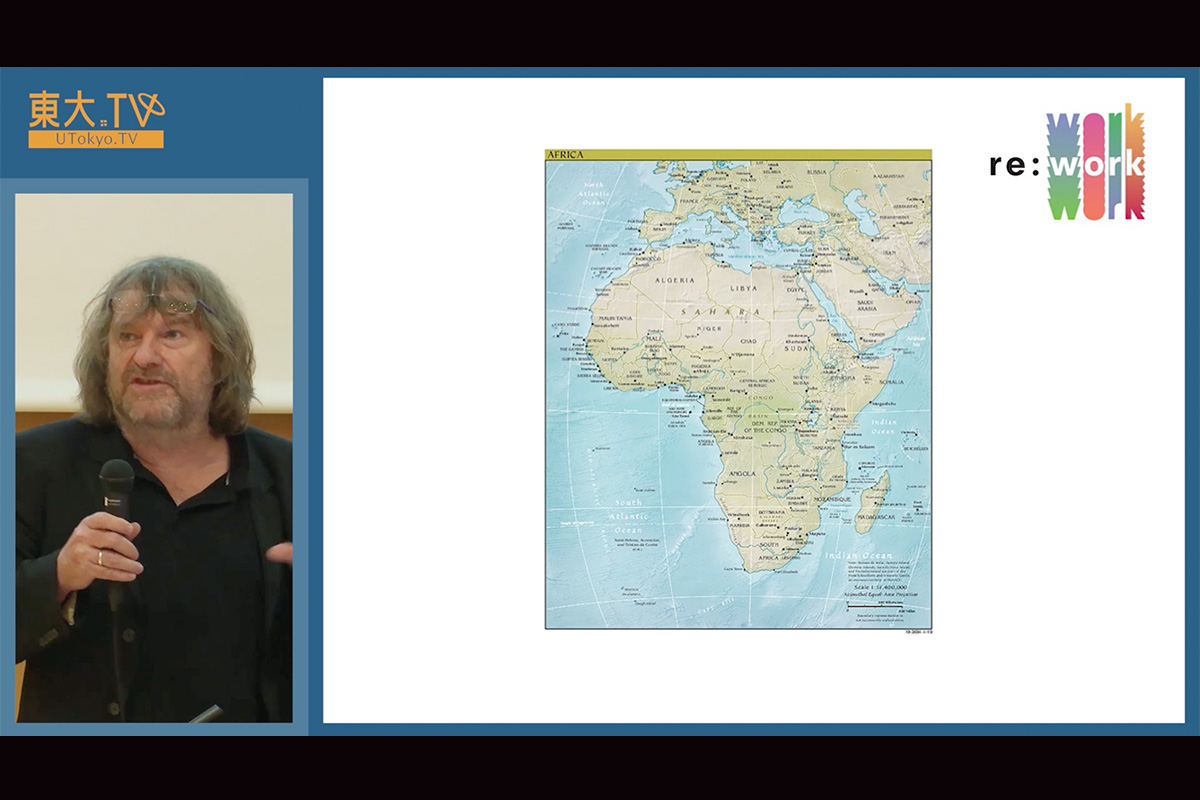
What is global history? Why do we need global history now? Is it possible to discuss identity, which is one of the most important concepts in the contemporary world, in context of global history? The world’s top global historians will discuss these points over two days. 2 day "Global History of Identity" ★Tokyo College https://www.tc.u-tokyo.ac.jp/en/
#9 Kidney Diseases: Taming the Silent Killer [EN]
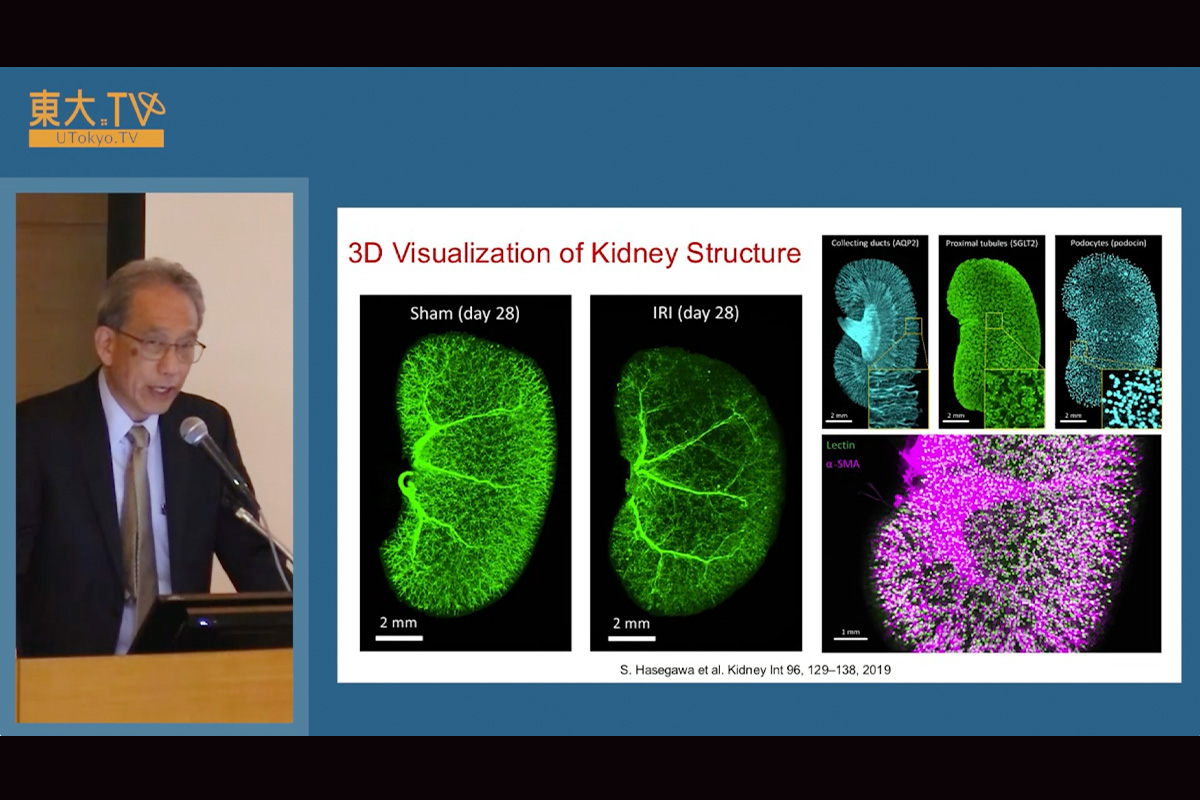
Kidneys are important organs which work silently behind the scenes 24 hours a day, 365 days a year to maintain homeostasis within the body. Unfortunately, kidney diseases progress asymptomatically and cause significant health impairments before people become aware. One in eight people in the nation and over 850 million people worldwide is diagnosed with some form of kidney disease. How much do we…
#10 Fuel of Life [EN]
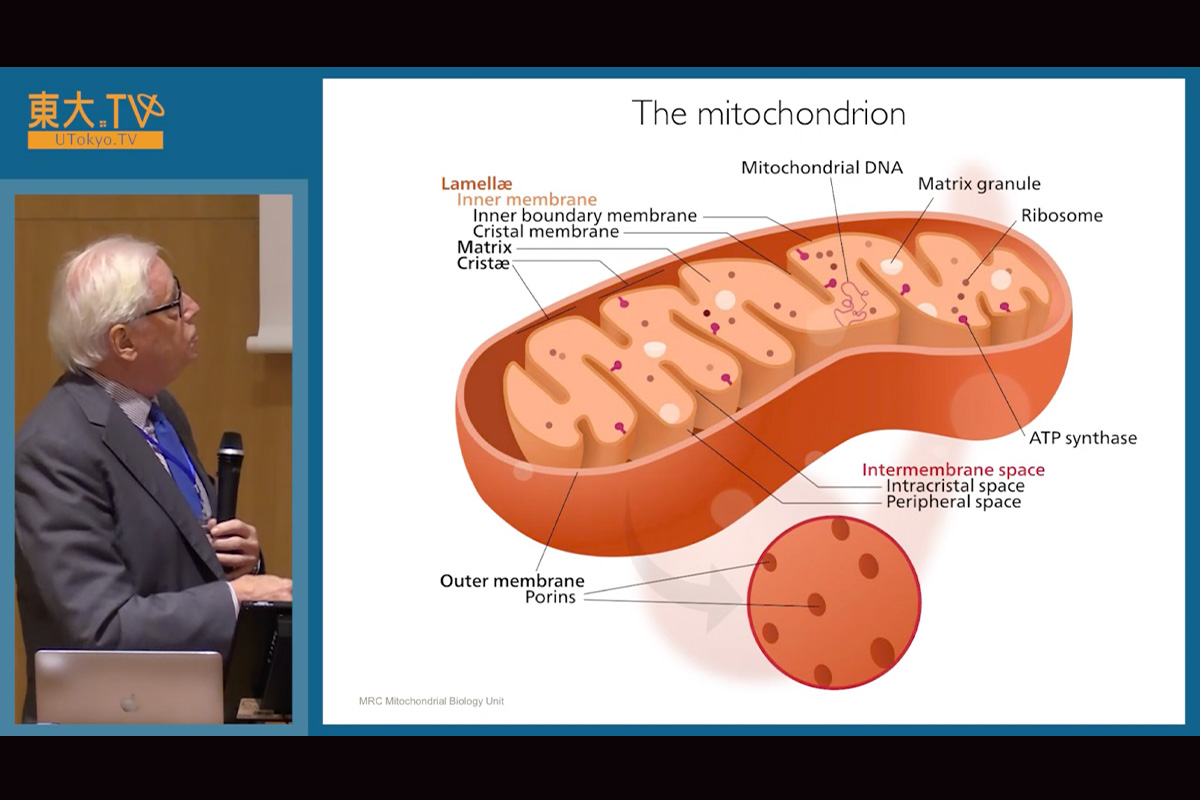
Cars run on gasoline as fuel. So what do organisms use as fuel for their life activities? The answer is ATP (adenosine triphosphate). This ATP, the fuel for all organisms, is manufactured in a precise device called ATP synthase. What are the subunits of ATP synthase and how was it assembled in the early stages of life evolution? This lecture will approach the origin of ATP synthase. ★Tokyo Col…
#11 Reaction diffusion problems: from moving interfaces to genealogies I
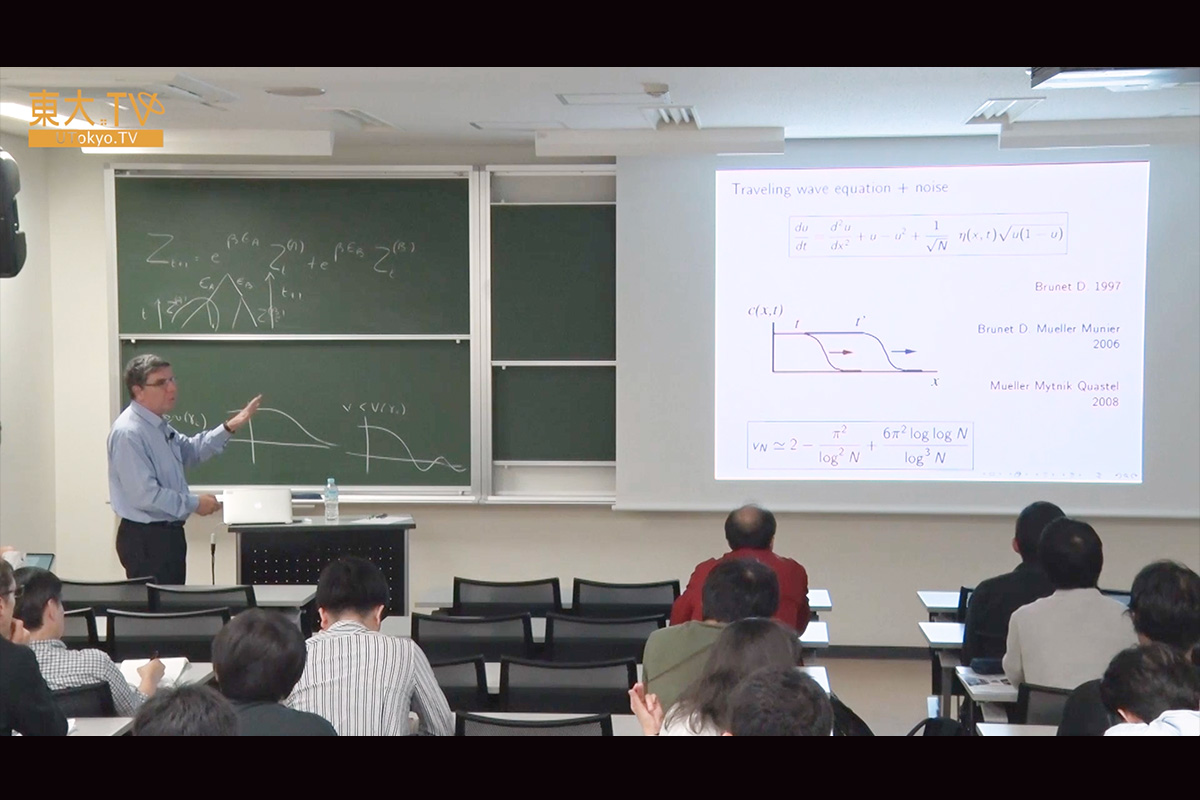
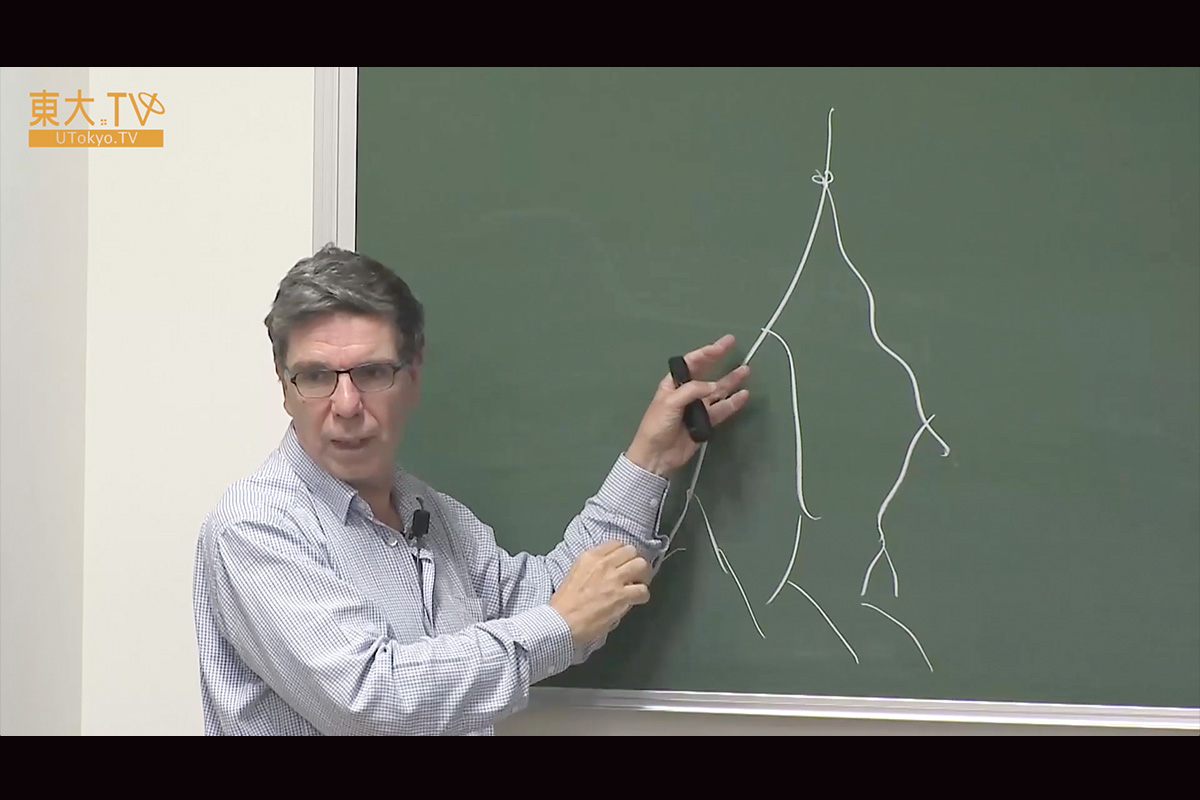
These two lectures will focus on the properties of travelling waves or invading fronts generated by simple reaction diffusion models. After a short introduction to the many faces (growth models, branching Brownian motion, disordered systems) of the Fisher-KPP equation the first lecture will review some of its best known properties as well as some more recent aspects. ★Tokyo College https://www.t…
#12 Reaction diffusion problems: from moving interfaces to genealogies II
These two lectures will focus on the properties of travelling waves or invading fronts generated by simple reaction diffusion models. Then the second lecture will present simple models of evolution related to the noisy Fisher-KPP equation, and discuss how selection affects the statistical properties of genealogies. ★Tokyo College https://www.tc.u-tokyo.ac.jp/en/
#13 The Might of the Weak: The Role of Small States in International Relations and the Case of Iceland [EN]
President Jóhannesson of Iceland will give a lecture at the University of Tokyo on the occasion of his formal visit to Japan. As a historian specializing in the modern history of Iceland, we believe that a talk on the role of small countries by an incumbent president will provide us with a new perspective on how we think about the world. ★Tokyo College https://www.tc.u-tokyo.ac.jp/en/
#14 What is a human being? Thinking about the digital revolution, genomic revolution and human society [JP]
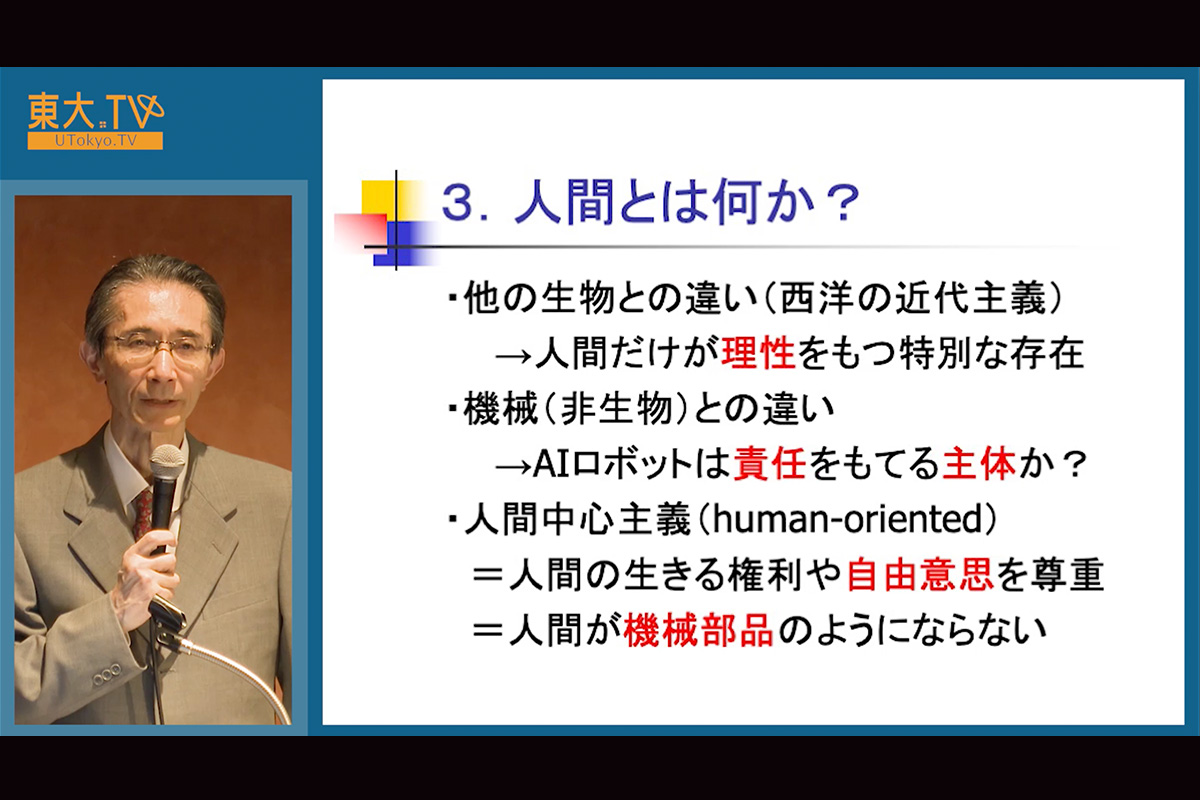
In the history of the human race, are we facing a turning point that may dramatically change even the earth and human beings? Will AI be ahead of the human race and take over our jobs? What should philosophy and ethics be in the age of digital and genomic revolutions? Researchers in various fields who earnestly tackle these urgent issues give respective lectures. ★Tokyo College https://www.tc.u-…
#15 Japan and the Sustainable Development Goals: Domestic Challenges, Global Opportunities
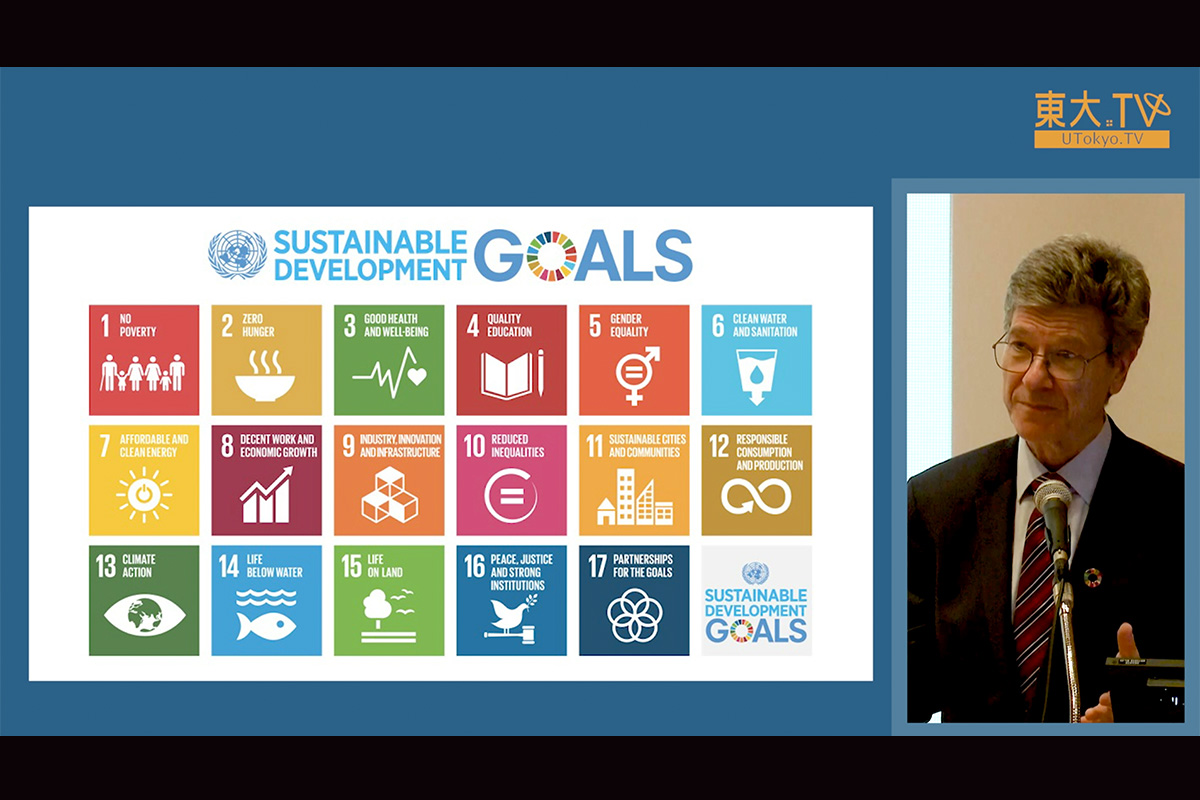
Transforming our World: The Age of Sustainable Development Four years have passed since the adoption of the 2030 Agenda for Sustainable Development Goals (SDGs), and actions in Japan toward achieving the SDGs have gained momentum among the public and private sectors, academia, and civil society. Prof. Jeffery Sachs, who is an authority of the SDGs, will update us with the global progresses and…
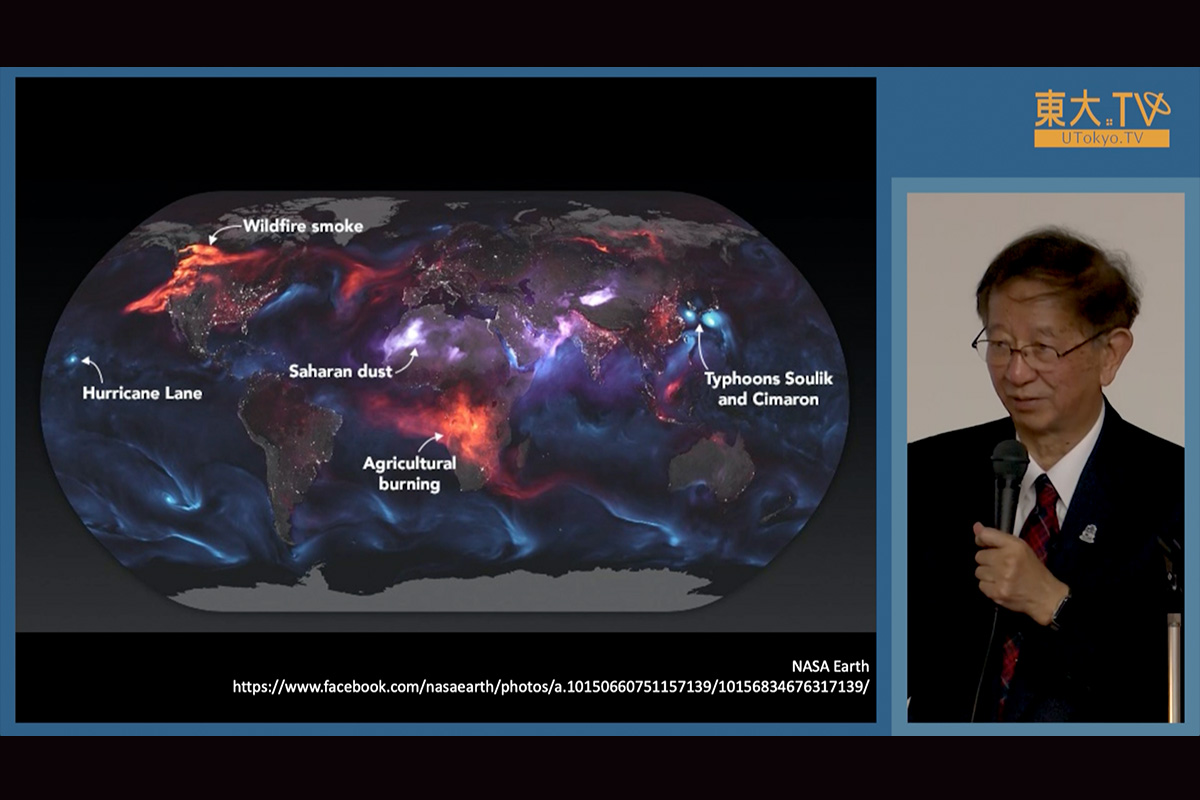
#16 Facing the Challenges of Global Environmental Problems [JP]
Humans have changed the atmosphere through excessive use of energy from fossil fuels to the extent that the young will inherit an out-ofcontrol environment. Scientists are working to create ways for a global economy with zero greenhouse gas emission by 2050. Problem though is not in the science and technology, but in the lack of political will and financial commitment to achieve that goal. This l…
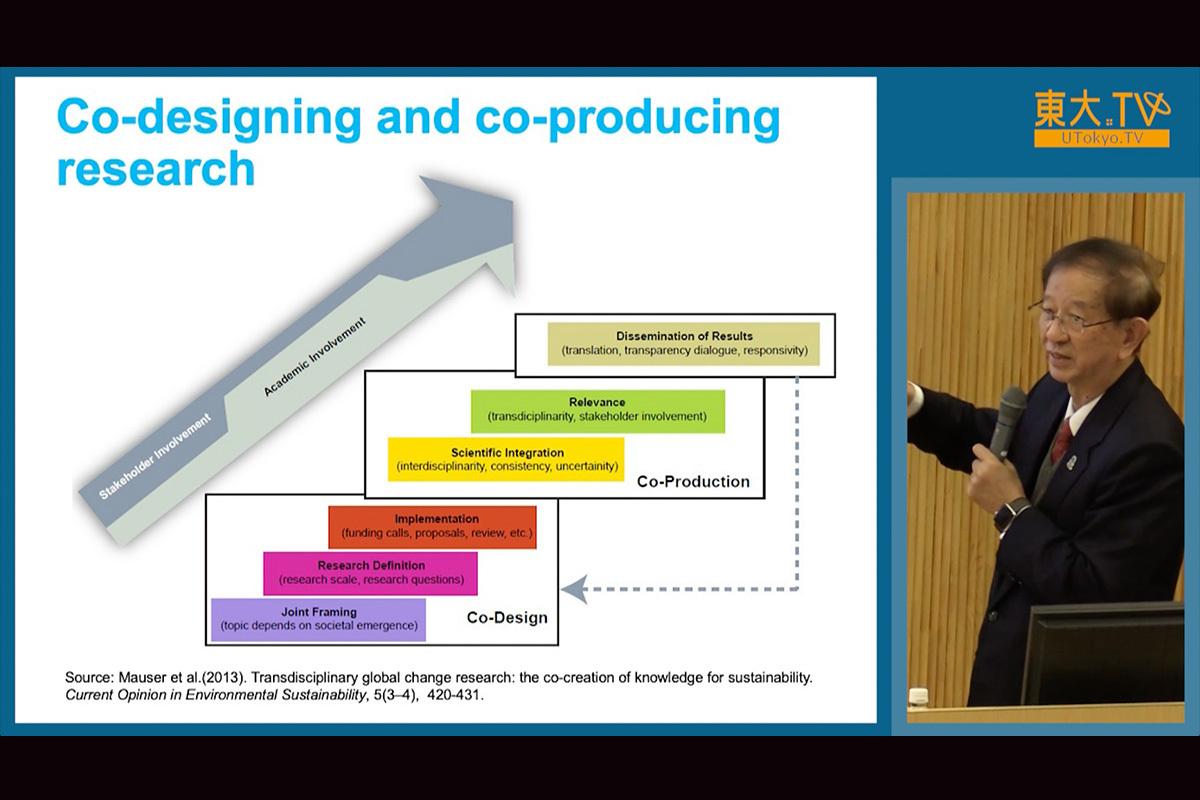
#17 Challenges of Science to Combat the Global Climate Change [EN]
Future Earth, first announced in Rio+20 in 2012, is a joint program proposed to incorporate existing international programs such as the IGBP, DIVERSITAS and IHDP, and to expand its activities to tackle global issues. Professor Yuan T. Lee, the president of ICSU at that time, will tell us the idea and philosophy of ICSU on Future Earth and about the prospect of the role of science for human wellbe…
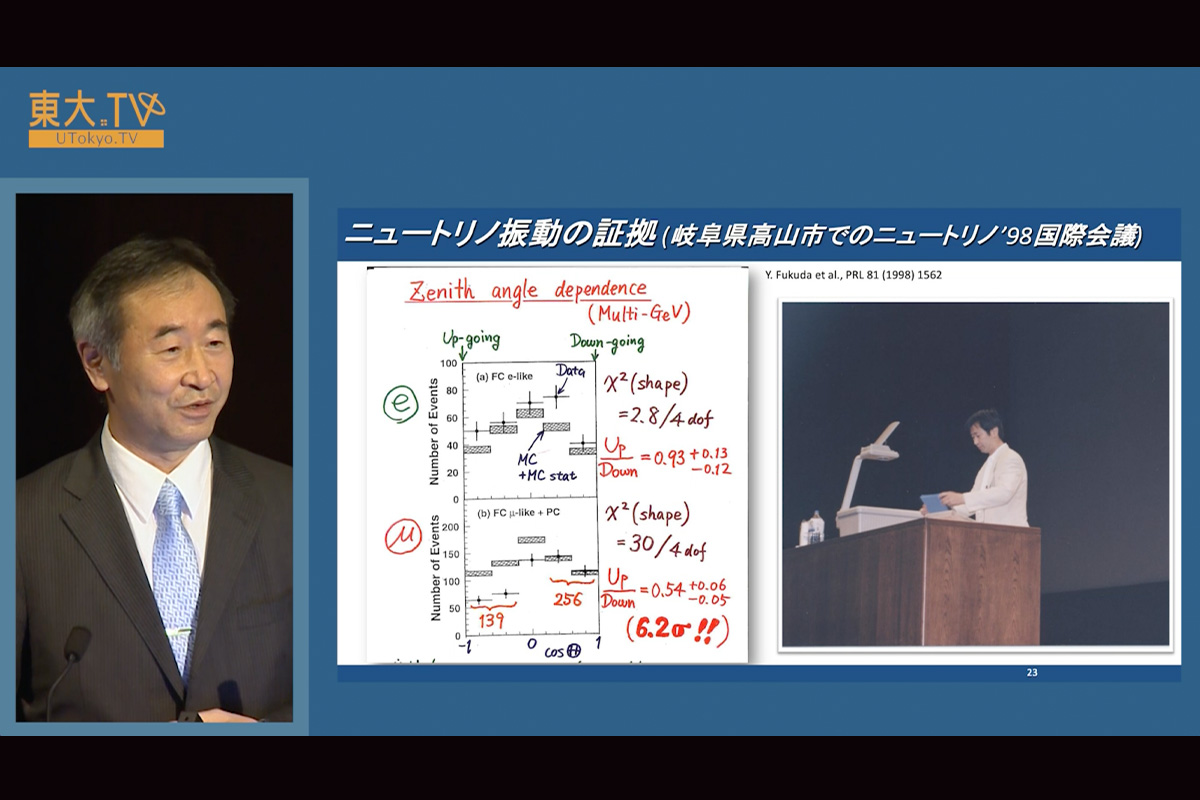
#18 The Mysterious Particles: Neutrinos [JP]
Looking Back over the Research Process That Led to the Discovery of Neutrino Oscillation Prof. Takaaki Kajita looks back over the research process that led to the discovery of neutrinos having a small mass and explains why the small mass of neutrinos is considered to be important. ★Tokyo College https://www.tc.u-tokyo.ac.jp/en/ NOTE: - This lecture was conducted only in Japanese.
#19 Japan’s Grand Strategy with Historical Perspective [JP]
On January 24, 2020, Mr. Nobukatsu Kanehara, former Assistant Chief Cabinet Secretary, gave a lecture on “Japan’s grand strategy with historical perspective.” Mr. Kanehara lectured on the following three themes relating to world history since the Industrial Revolution: power struggles and world war, colonial rule and racial discrimination, and totalitarianism and dictatorship. An explanation of u…
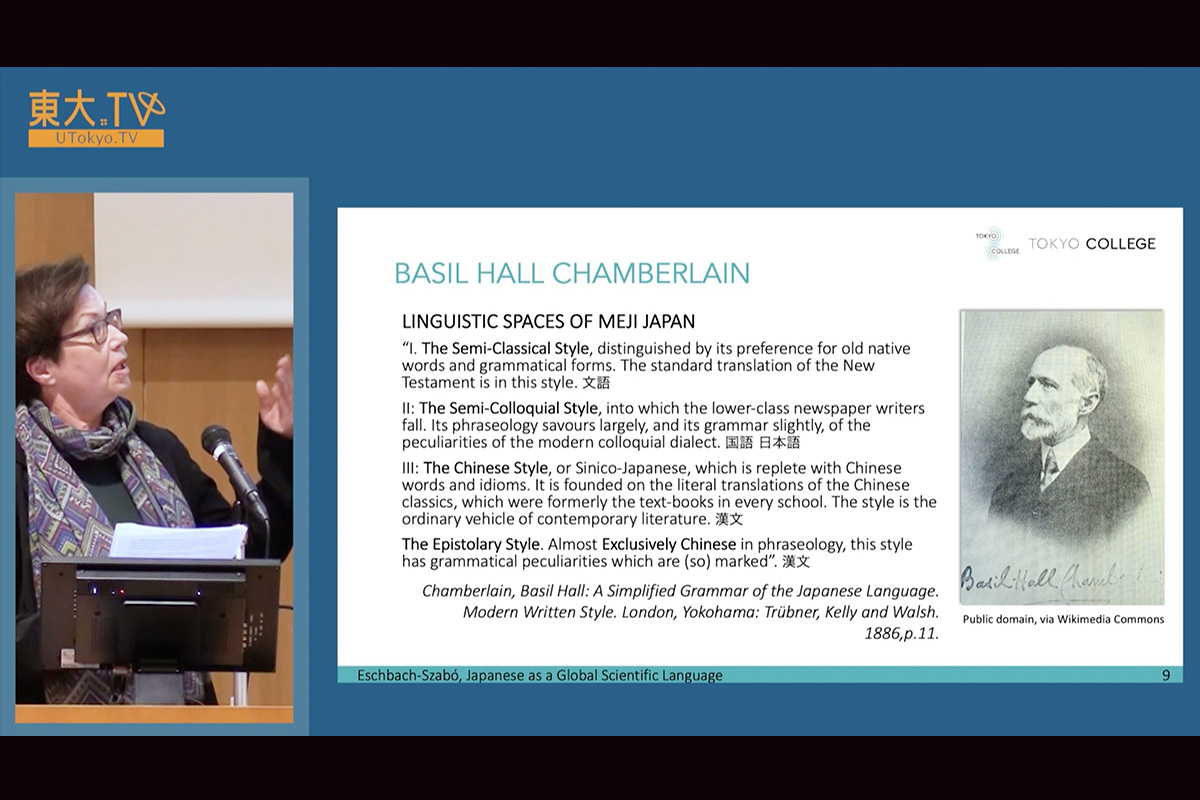
#20 Japanese as a Global Scientific Language
How to Develop Japanese with Dictionaries and AI? The lecture will discuss about the advantages of developing Japanese as a global scientific language and the importance of strengthening linguistic and cultural connections with other languages. Japan should be aware of the power of Japanese culture and develop Japanese more actively. ★Tokyo College https://www.tc.u-tokyo.ac.jp/en/
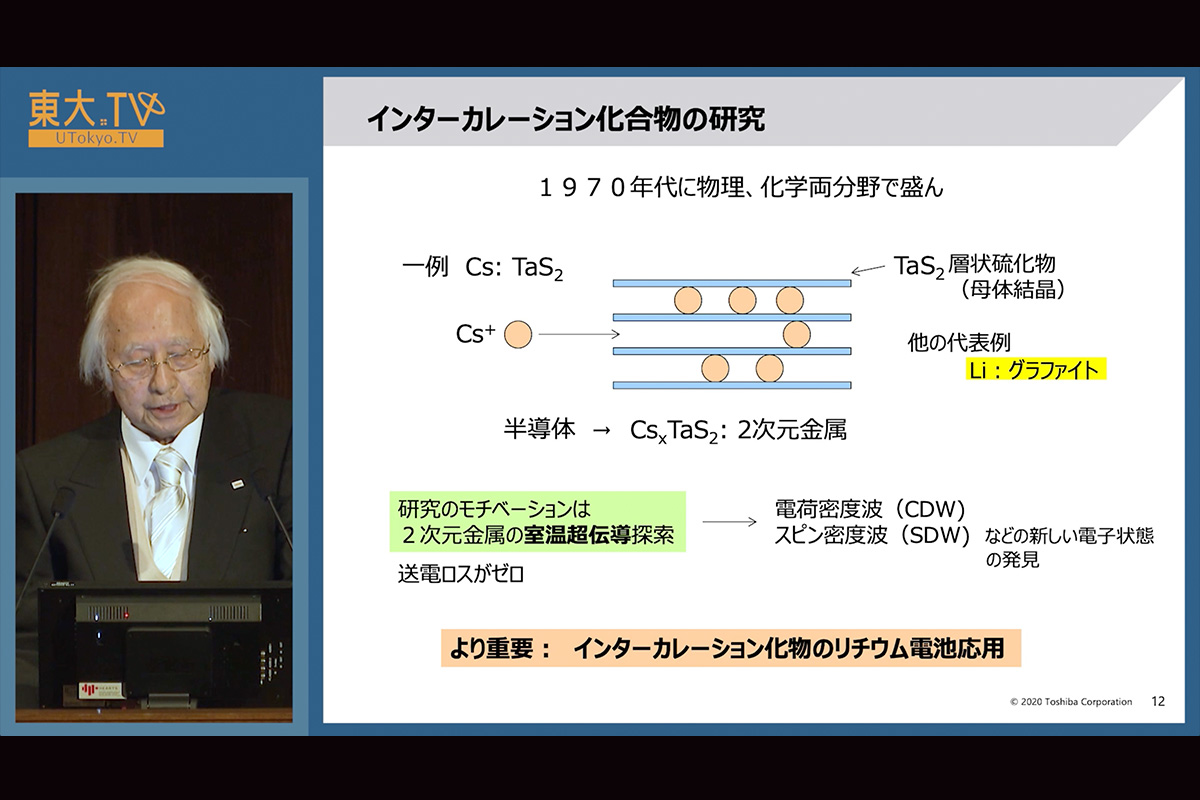
#21 The Beginning of Lithium-Ion Batteries: Development of High-Voltage Cathode [JP]
Development of Secondary Batteries (Storage Batteries) for Electric Vehicles. The development of lithium-ion batteries began at the University of Oxford in 1978 following the first oil crisis, with the aim of creating high-performance secondary batteries for electric vehicles. Two researchers with no previous experience in battery research managed to create the prototype of the present lithium-i…
 Back to Series List