

Cultural Resources, Cultural Heritage, and World Heritage (Global Focus on Knowledge)





3

1

1
Content List


Available

Audio-Only
Listening
#1 Setting the scene: what are cultural resources, cultural heritage, and world heritage?
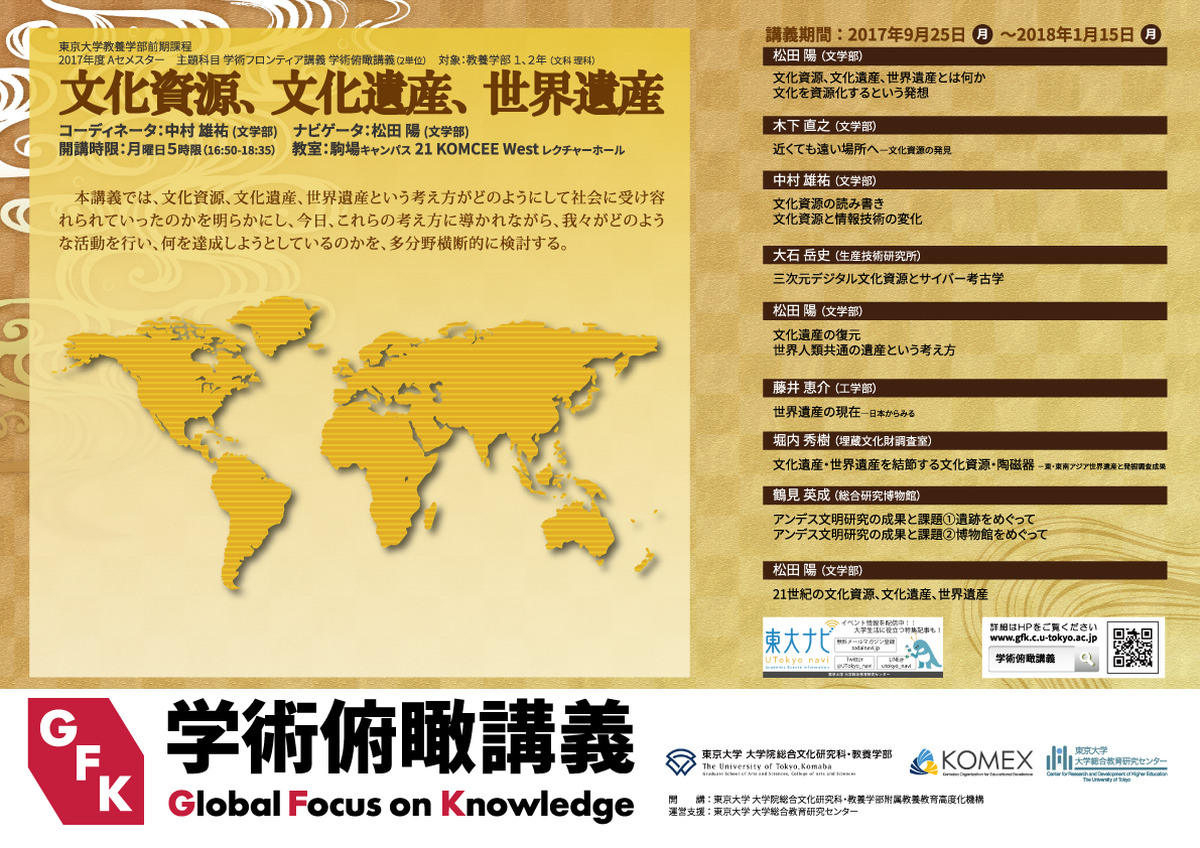
文化資源、文化遺産、世界遺産という言葉が広く使われるようになったのは、20世紀後半、より厳密に言えば1970年代以降のことである。なぜ人間社会はこれらの言葉を必要とし、積極的に使うようになったのだろうか。また、それらの言葉を使ってさまざまな表現、活動、事業を行う中で、何を実現し、何を実現してこなかったのだろうか。初回の講義では、文化資源、文化遺産、世界遺産という言葉の使われ方を分析しながら、現代社会が…
Available
Audio-Only
Listening
Available
Audio-Only
Listening
#2 Culture as a resource: resource for what?
文化資源、文化遺産、世界遺産という言葉が広く使われるようになったのは、20世紀後半、より厳密に言えば1970年代以降のことである。なぜ人間社会はこれらの言葉を必要とし、積極的に使うようになったのだろうか。また、それらの言葉を使ってさまざまな表現、活動、事業を行う中で、何を実現し、何を実現してこなかったのだろうか。初回の講義では、文化資源、文化遺産、世界遺産という言葉の使われ方を分析しながら、現代社会が…
Available
Audio-Only
Listening
Available
Audio-Only
Listening
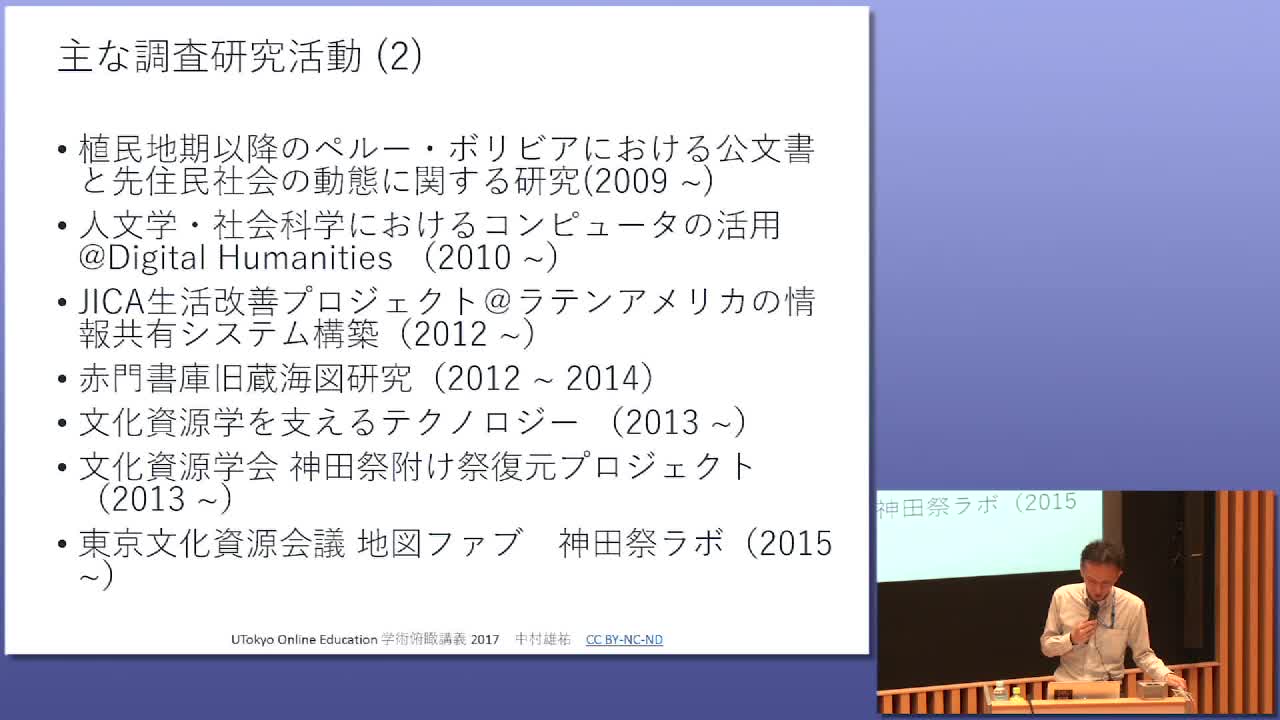
#3 Remote places in our neighborhood: the art of discovering cultural resources
こちらの講義の概要をだいふくちゃん通信でもご紹介しています。 ⇒身の回りの「文化」をみつける—災害・民俗文化財・神田祭(だいふくちゃん通信)
Available
Audio-Only
Listening
Available
Audio-Only
Listening
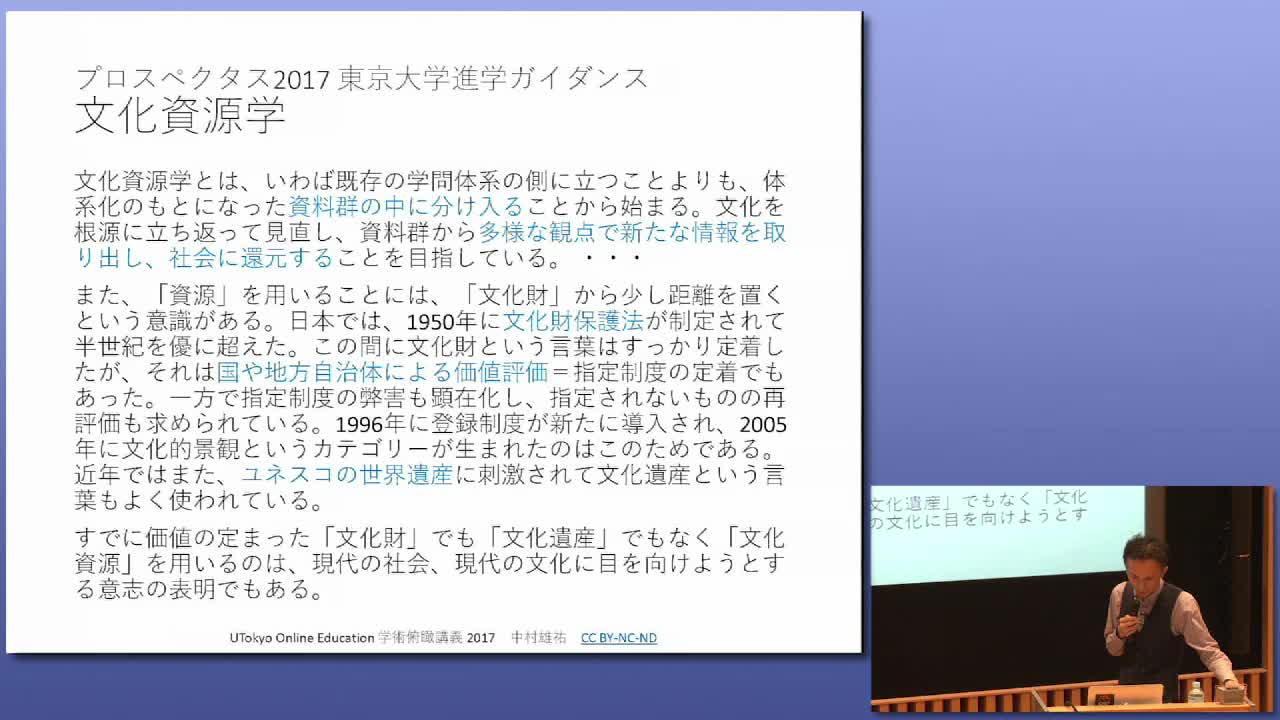
#4 Literacy for Cultural Resources
人が文化資源に気づくきっかけは様々である。見たり聴いたりだけでなく、触ったり匂いをかいだり味わったり、あるいはなんとなくということもあるだろう。そんな中、自分が出会った文化資源について深く考え他の人に伝える方法として、読み書きは、決して万能ではないが重要な方法である。この講義では、二回に分けて、文化資源の読み書き、そして、情報技術の変化が及ぼす影響について考える。
Available
Audio-Only
Listening
Available
Audio-Only
Listening
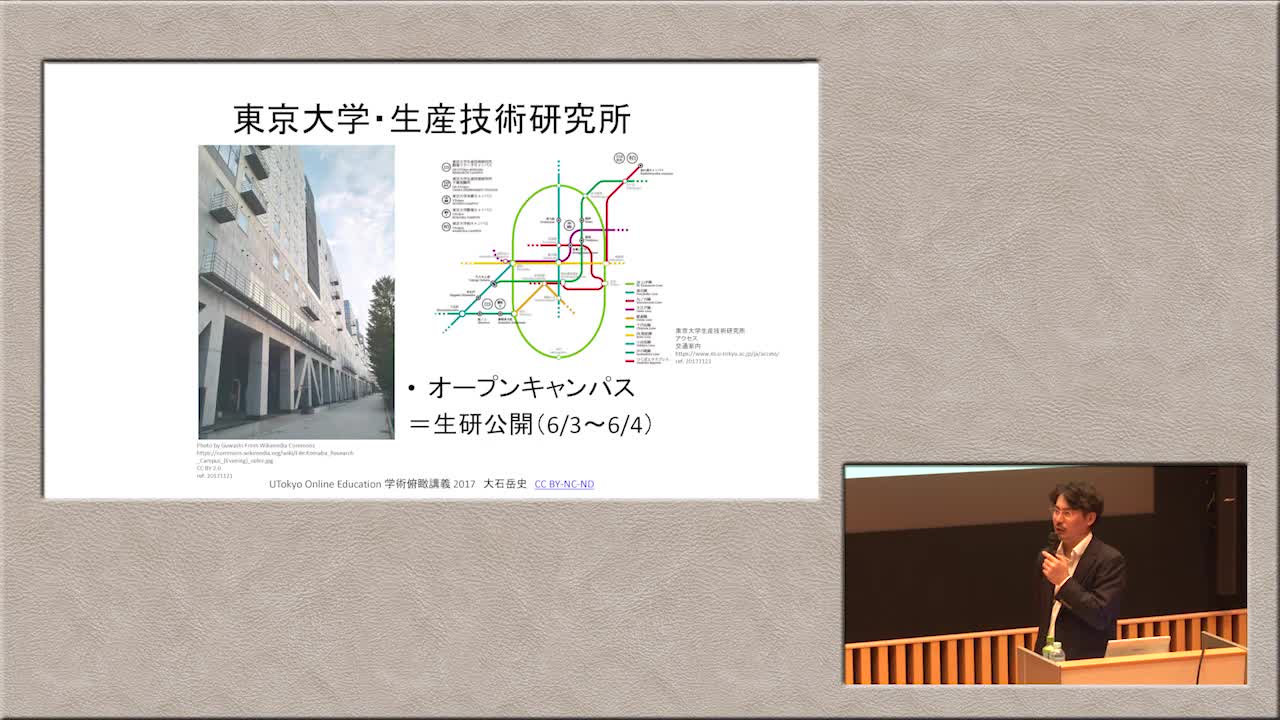
#5 Cultural Resources and ICT
人が文化資源に気づくきっかけは様々である。見たり聴いたりだけでなく、触ったり匂いをかいだり味わったり、あるいはなんとなくということもあるだろう。そんな中、自分が出会った文化資源について深く考え他の人に伝える方法として、読み書きは、決して万能ではないが重要な方法である。この講義では、二回に分けて、文化資源の読み書き、そして、情報技術の変化が及ぼす影響について考える。
Available
Audio-Only
Listening
Available
Audio-Only
Listening
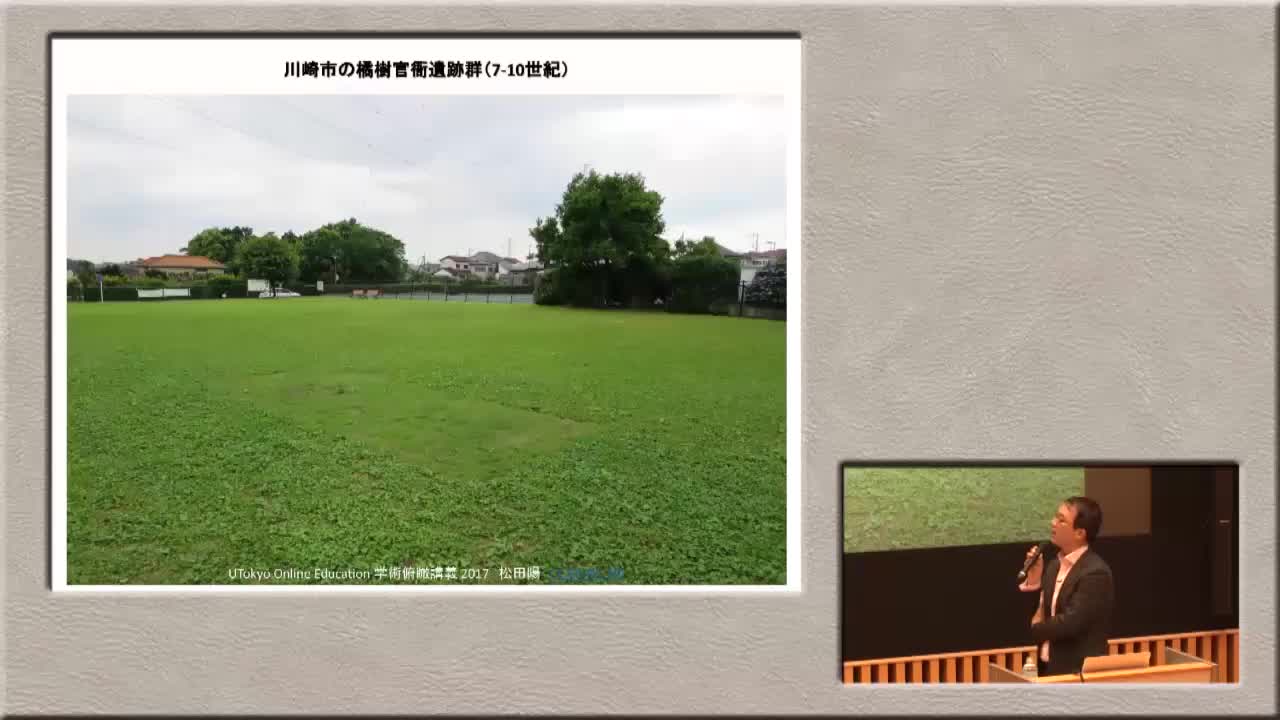
#6 3D digital cultural resources and cyber-archaeology
鎌倉、奈良大仏を始め、アンコールワットなど世界各地の文化遺産を対象とした3次元デジタル化技術と、デジタルデータの解析により新たな知見を得るサイバー考古学の取り組みについて紹介する。さらに、映像技術を利用して実世界に失われた文化財や街並みを仮想復元するバーチャル復元技術を、平城京や飛鳥京を例に挙げながら紹介していく。
Available
Audio-Only
Listening
Available
Audio-Only
Listening
#7 Reconstructing cultural heritage
我々はなぜ文化遺産を復元しようとするのだろうか。さまざまな分野の研究や技術の進化にともなって、今日、世界中で文化遺産の復元が頻繁に行われるようになった。しかし、そうした復元の人類学的な意味やその動機についての社会学的な考察は意外なほどに進んでいない。文化遺産を復元することによって、我々は何を得るのだろうか。またその結果、失われるものはあるのだろうか。さまざまな復元事例を通して、過去を再現するとい…
Available
Audio-Only
Listening
Available
Audio-Only
Listening
#8 The concept of the common heritage of humanity
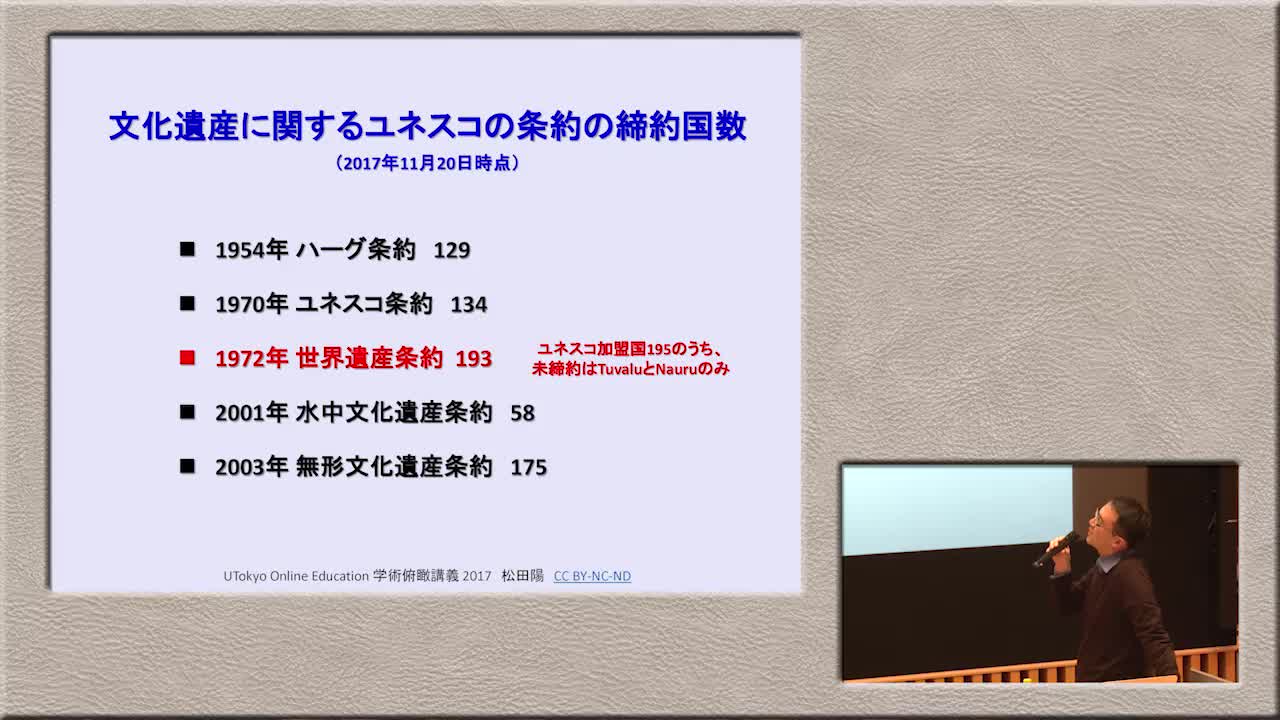
1972年のユネスコ「世界の文化遺産及び自然遺産の保護に関する条約」(通称「世界遺産条約」)は、国家レベルを超えた、世界人類共通の遺産という概念を打ち出した。革命的とも言えるこの遺産概念は、その後、どれほど世界中の人々に受け容れられたのだろうか。世界遺産条約の成立前史、そして条約を実際に運用する過程で見られた世界遺産概念の変容を振り返りながら、改めて問い直したい――人類共通の遺産は存在するのか。
Available
Audio-Only
Listening
Available
Audio-Only
Listening
#9 World Heritage today: a view from Japan
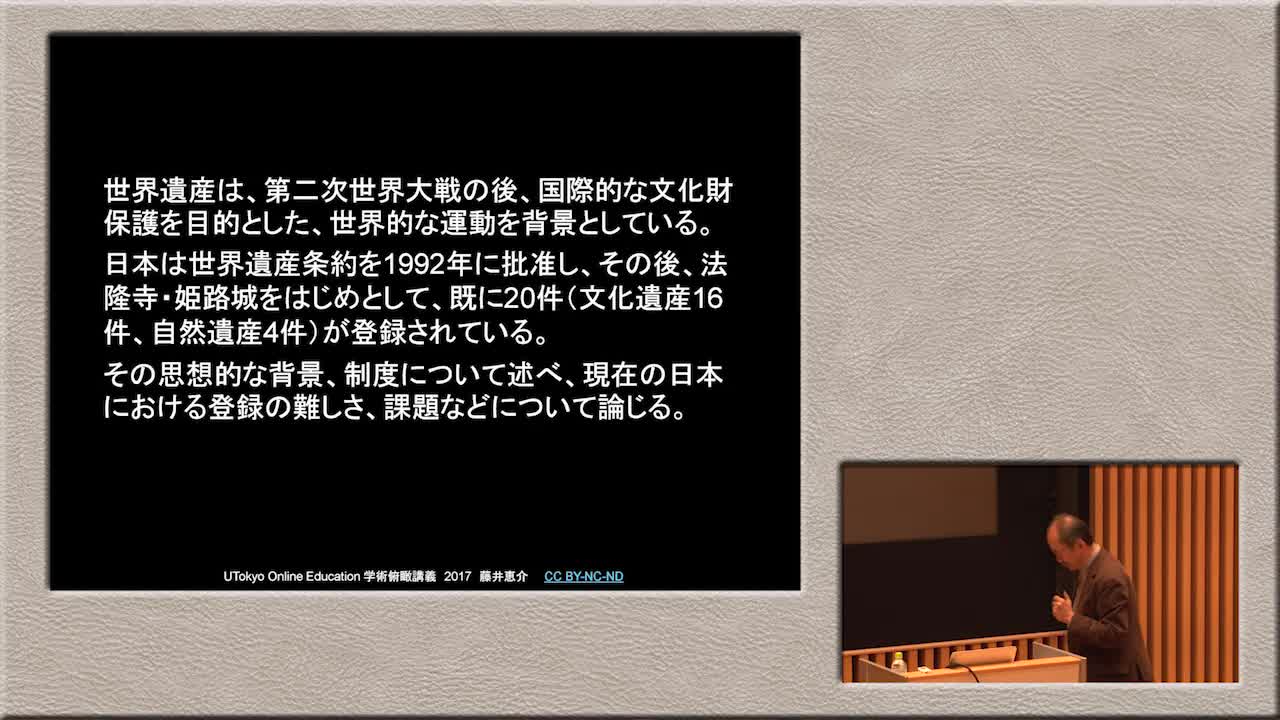
こちらの講義の概要をだいふくちゃん通信でもご紹介しています。 ⇒【木造建築を建て替えるのはNG!?】世界遺産の歴史を学ぶ (だいふくちゃん通信)
Available
Audio-Only
Listening
Available
Audio-Only
Listening
#10 Ceramics as cultural resources: East Asian and Southeast Asian heritage and recent findings of archaeological excavations
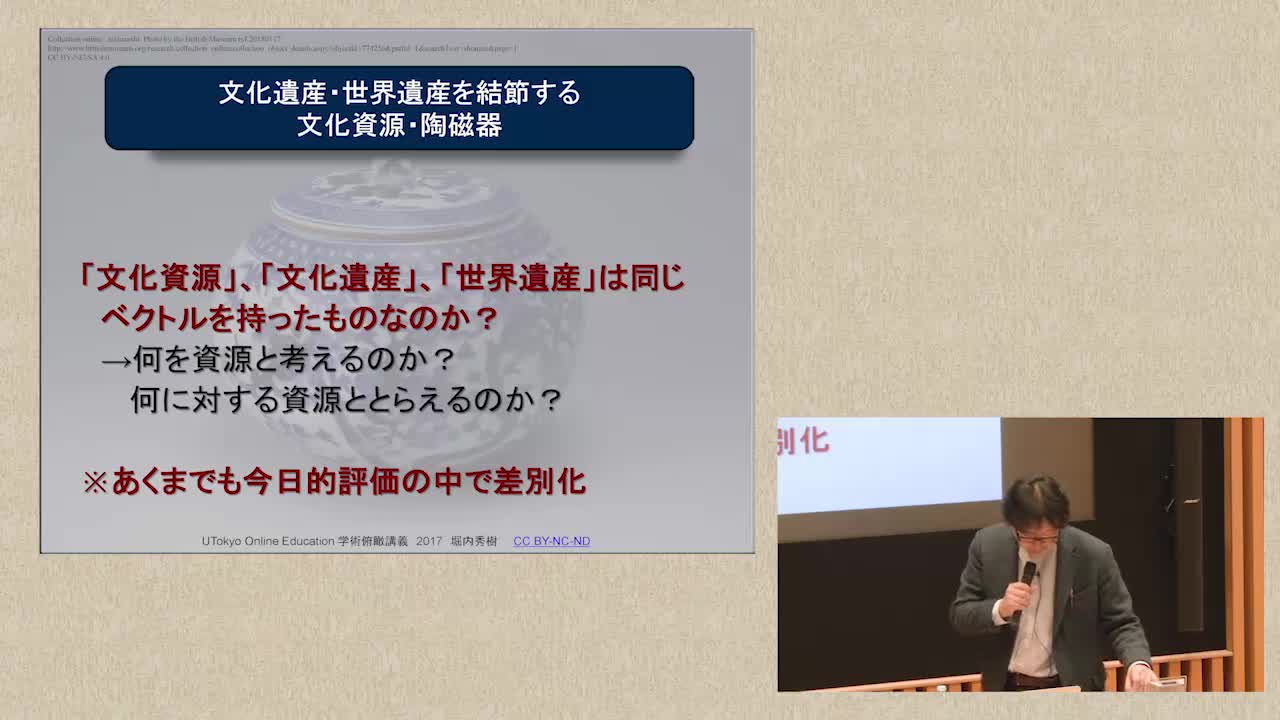
「鎖国の時代」と言われていた江戸時代は、日本と東・東南アジアは、文化や経済面で多くの接点を持っていた。講義では、平戸や長崎を通じて活発に行われた文物の流れを当時の貿易品であり、 そうした影響を探る材料としての「文化資源」である陶磁器を取り上げ、現在、文化遺産、世界遺産として認識されている、日本の長崎、平戸、タイのアユタヤ、ベトナムのホイアンなどの遺跡出土様相と日本の文化的特徴について話をしたい。
Available
Audio-Only
Listening
Available
Audio-Only
Listening
#11 Issues in the heritage of the Andean civilization 1: heritage sites
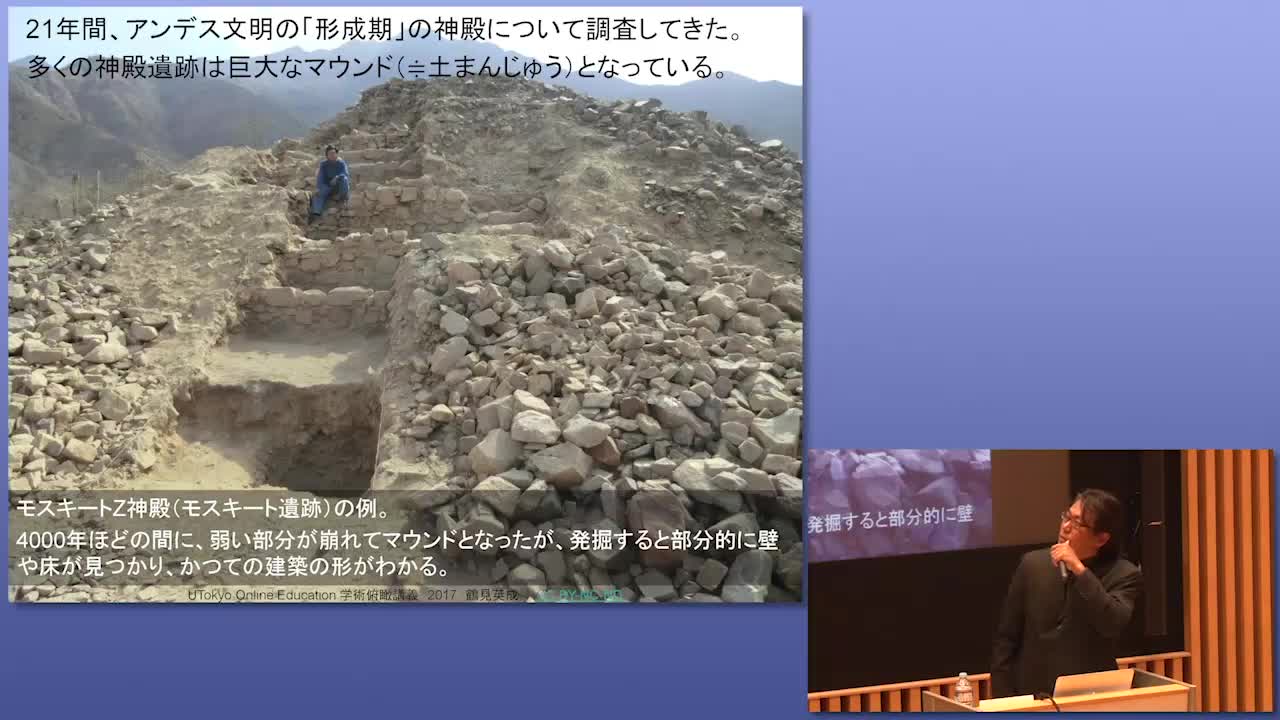
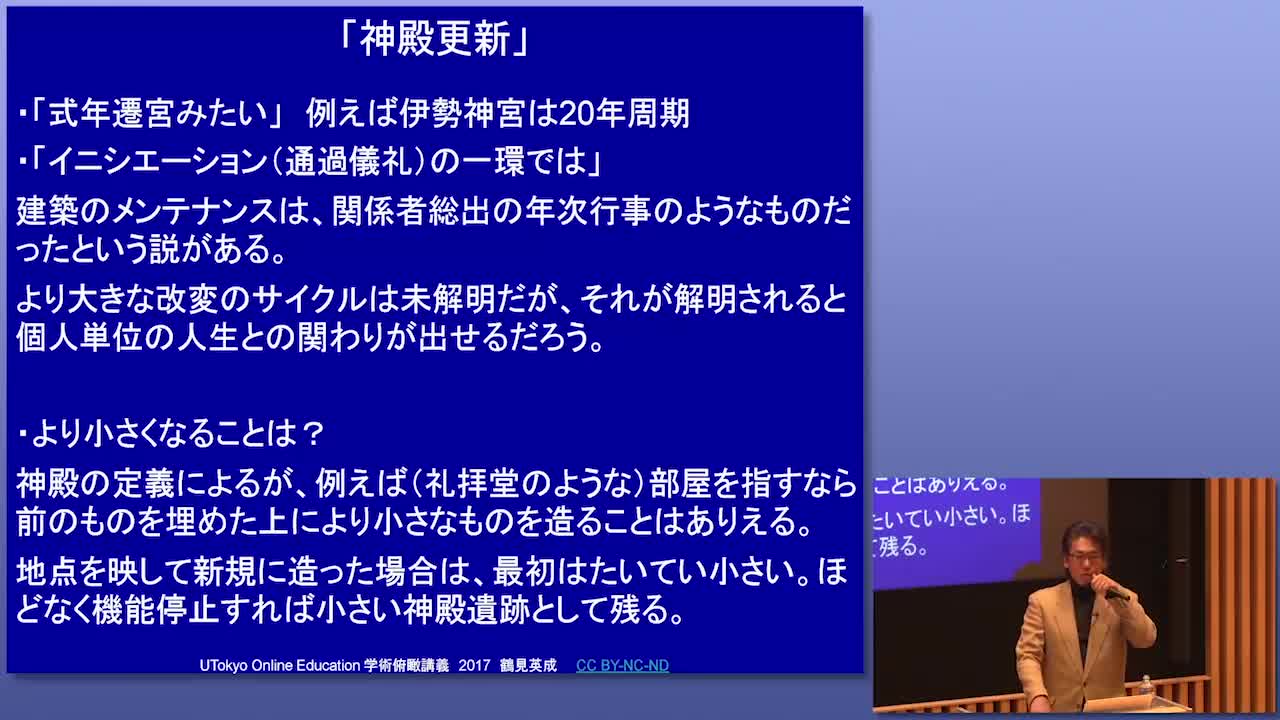
南米大陸の古代文明「アンデス文明」の研究は、日本では1950年代に東京大学が着手し、裾野を広げながら今も展開されている。ペルーではとくに神殿遺跡の調査を通じて、文明の形成過程の特徴を明らかにしてきた。研究成果とともに調査の歩みを振り返り、地域社会の象徴・開発の障害・観光資源・盗掘の対象など多様な側面を持つ遺跡と、保管・情報発信・交流の場である博物館を切り口として、文化遺産をめぐる諸課題を示す。
Available
Audio-Only
Listening
Available
Audio-Only
Listening
#12 Issues in the heritage of the Andean civilization 2: museums
南米大陸の古代文明「アンデス文明」の研究は、日本では1950年代に東京大学が着手し、裾野を広げながら今も展開されている。ペルーではとくに神殿遺跡の調査を通じて、文明の形成過程の特徴を明らかにしてきた。研究成果とともに調査の歩みを振り返り、地域社会の象徴・開発の障害・観光資源・盗掘の対象など多様な側面を持つ遺跡と、保管・情報発信・交流の場である博物館を切り口として、文化遺産をめぐる諸課題を示す。
Available
Audio-Only
Listening
Available
Audio-Only
Listening
#13 Reconsidering cultural resources, cultural heritage and world heritage in the 21st century
これまでの12回の講義を振り返りながら、今日の文化資源、文化遺産、世界遺産の立ち位置、そして今後の展望を総括的に考える。文化資源、文化遺産、世界遺産が大切だということはおそらく間違いない。しかし問題は、それらを使って我々が何をしたいのかである。
Available
Audio-Only
Listening
 Back to Series List