Series
AY 2015

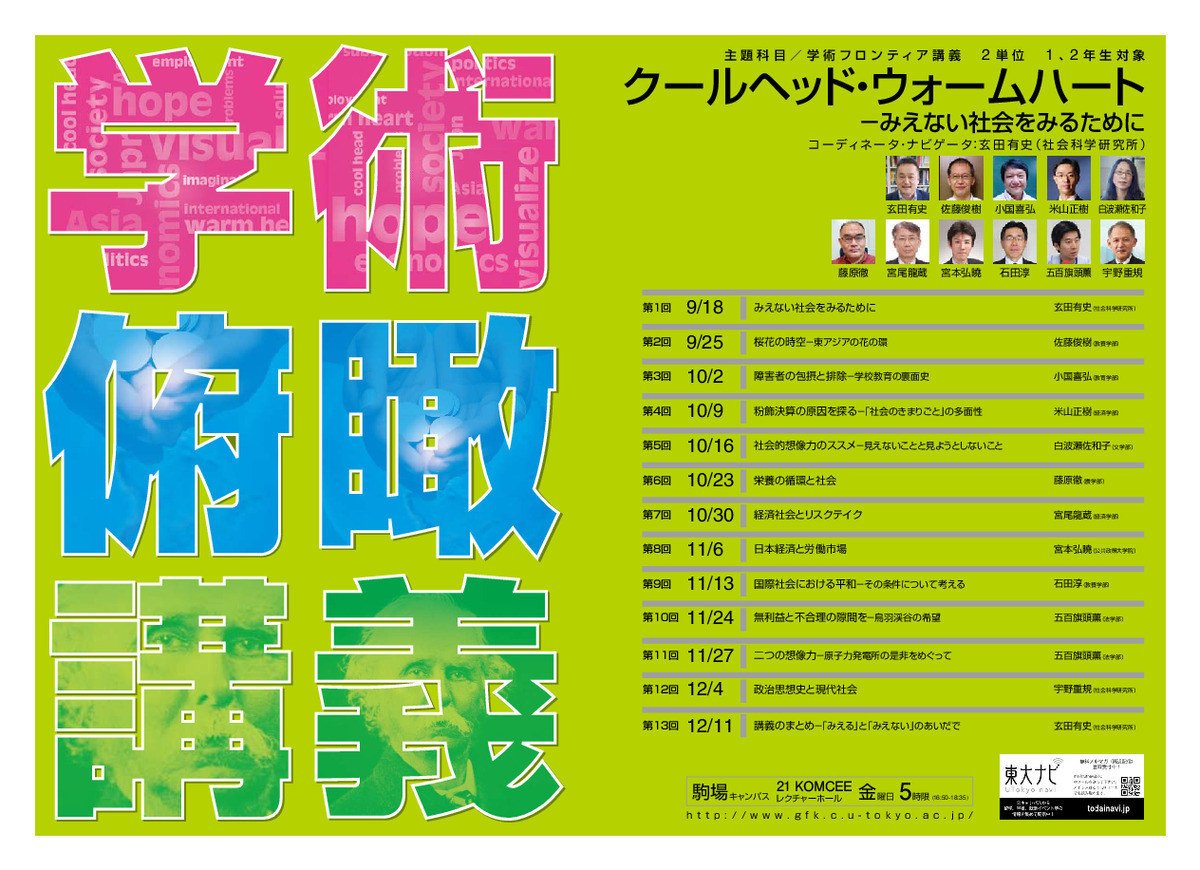
Cool Head but Warm Heart – To See an Invisible Society (Global Focus on Knowledge)

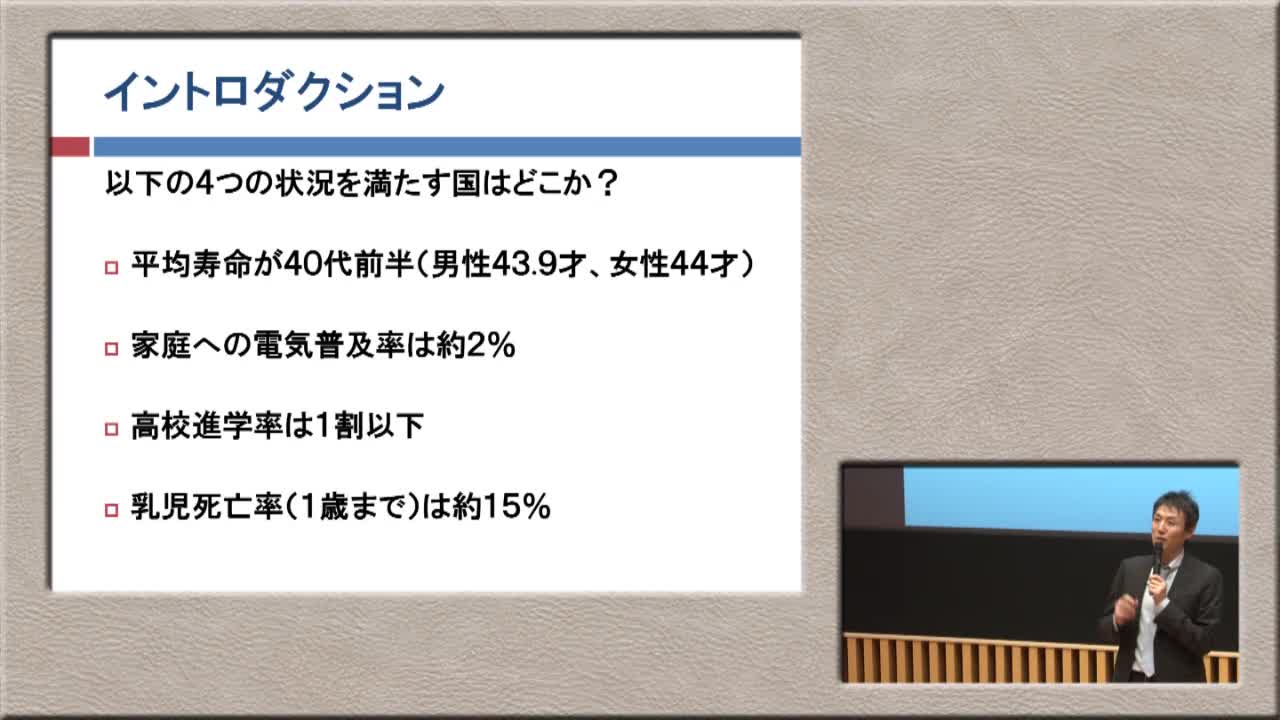
Coordinator/Navigator: Yuji Genda (Institute of Social Science) Alfred Marshall (1842-1924), a scholar of Cambridge University in England who contributed greatly to the development of economics, is well-known for his concluding remarks in his inaugural address as professor: “It will be my most cherished ambition, my highest endeavour, to do what with my poor ability and my limited strength I may, to increase the numbers of those whom Cambridge, the great mother of strong men, sends out into the world with cool heads but warm hearts, willing to give some at least of their best powers to grappling with the social suffering around them…” (“The Present Position of Economics” by Alfred Marshall). Today, the words “Cool Head but Warm Heart” are still said to be the ideal attitude for economists. But not just economics. It is also the attitude for all academic disciplines that seek to elucidate society’s various problems. Then, how should we face social problems with coolness and warmth? While some of the society’s problems are visible, there are other problems of which background and solutions are not immediately visible. Social problems that cannot be seen have been overlooked and neglected. However, at the University of Tokyo, there are many faculty members with cool heads but warm hearts who continue to tackle academic challenges every day to discover various social problems and their solutions. This Global Focus on Knowledge course, with lectures presented by several of such scholars, will allow students to learn ways to confront social problems.

Content List

1:44
Available for
Audio-Only
Listening

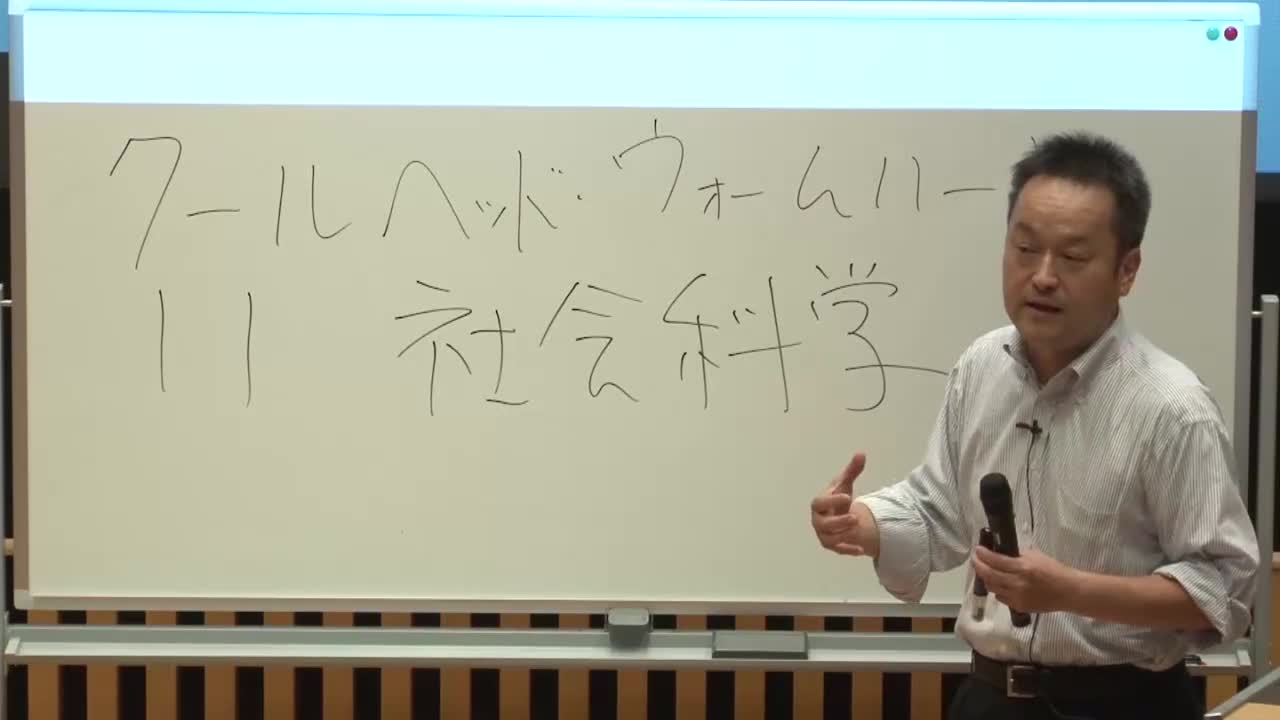
#1 To See an Invisible Society

This lecture explains the purpose of the course and what is expected of students. As a practical example of “looking at an invisible society”, the lecture also explains “Hope Studies,” which the Institute of Social Science, the University of Tokyo, has been engaged in since 2005.

Lecturer | Yuji Genda
1:44
Available for
Audio-Only
Listening
1:30
Resources
Available
Available for
Audio-Only
Listening

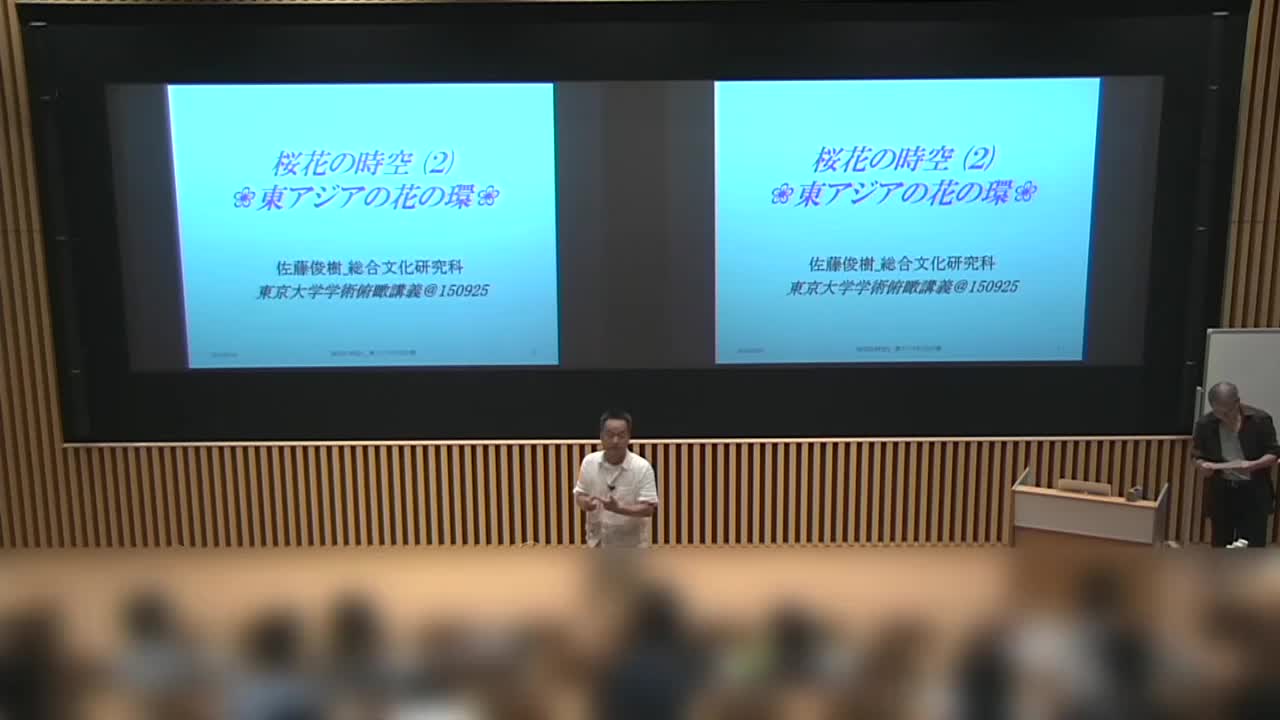
#2 The Time-Space of Cherry Blossoms – The Ring of Flowers in East Asia

A symbol of Japanese culture, the cherry blossom has been drawn into controversies about its origins, which are particular to East Asia. In the space of official history, which is like an intense magnetic field, how could we discover some inherent qualities while preserving pluralism and multiplicity? This lecture takes students on an adventure in logic and emotions.

Lecturer | Toshiki Satou
1:30
Resources
Available
Available for
Audio-Only
Listening
Resources
Available

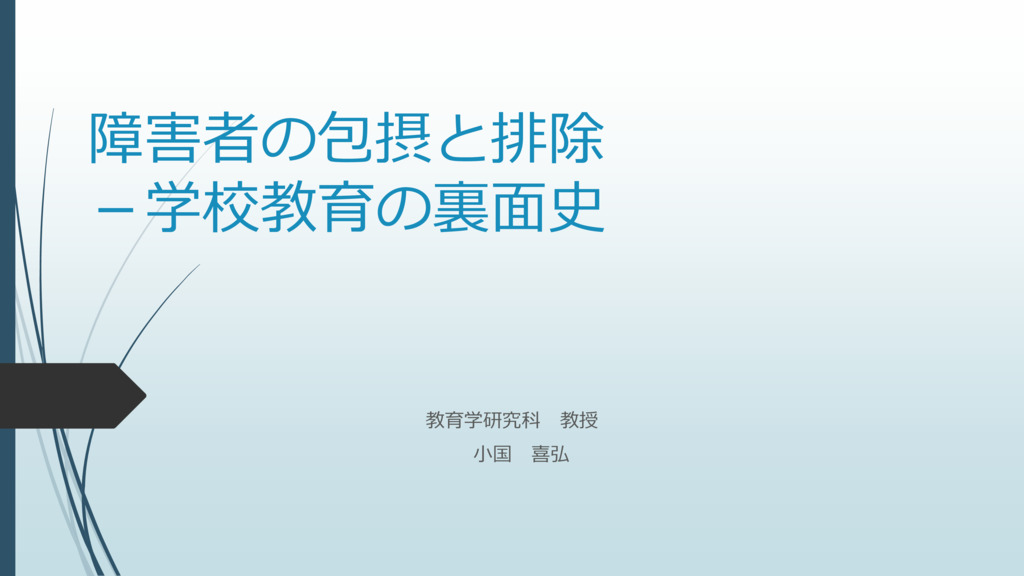
#3 Inclusion and Exclusion of Disabled Persons – The Dark Side of the History of School Education

Using as a guide the documentary film “Yogo Gakko ha Akannen! (No Special-Needs Schools!),” about the opposition to the 1979 law mandating special-needs schools, this lecture examines the roles that school education has played from the perspective of inclusion and exclusion of disabled persons.

Lecturer | Yoshihiro Kokuni
Resources
Available
1:45
Resources
Available
Available for
Audio-Only
Listening

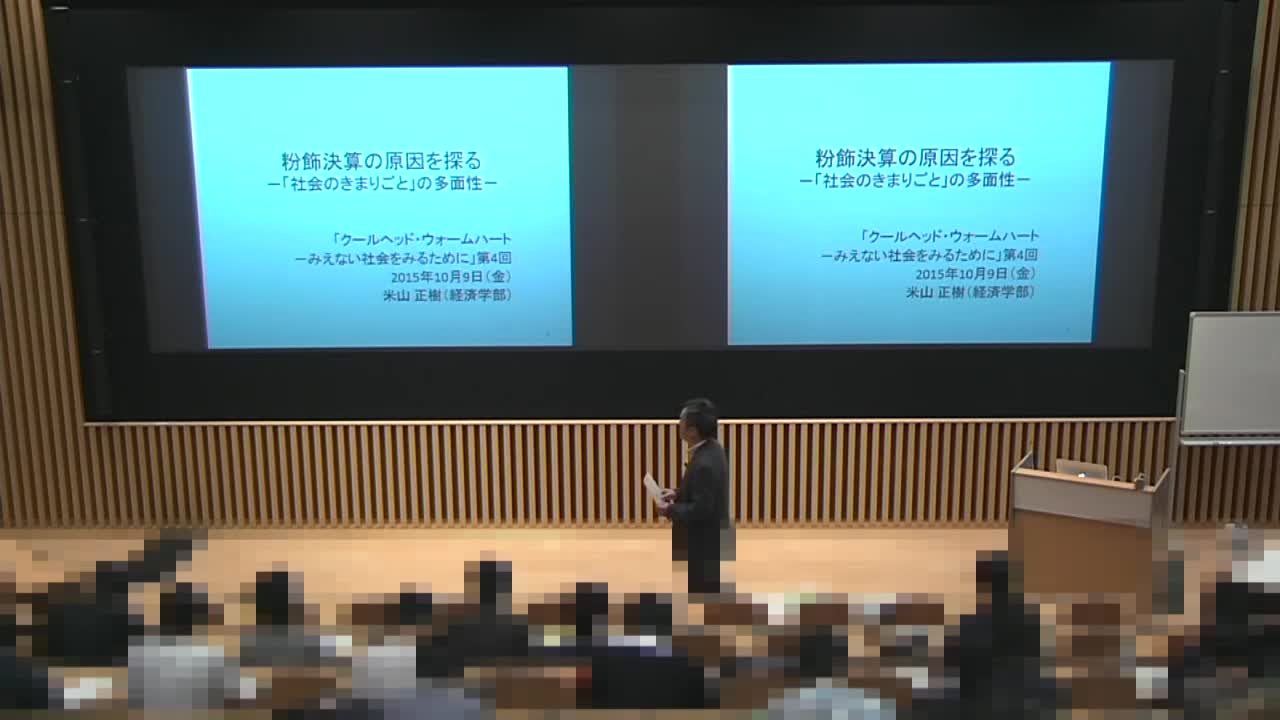
#4 Exploring the Causes of Fraudulent Accounting – The Mutifaceted Nature of “Society’s Standard Operating Procedures”

From time to time there are major scandals involving companies that are reported in the media, including “fraudulent accounting,” “accounting irregularities,” and “profit manipulation.” While it is obvious that these practices should be avoided, they have occurred repeatedly. This lecture explores the essences of this problem, which cannot be comprehended by a “dualism between good and evil.”

Lecturer | Masaki Yoneyama
1:45
Resources
Available
Available for
Audio-Only
Listening
1:47
Resources
Available
Available for
Audio-Only
Listening

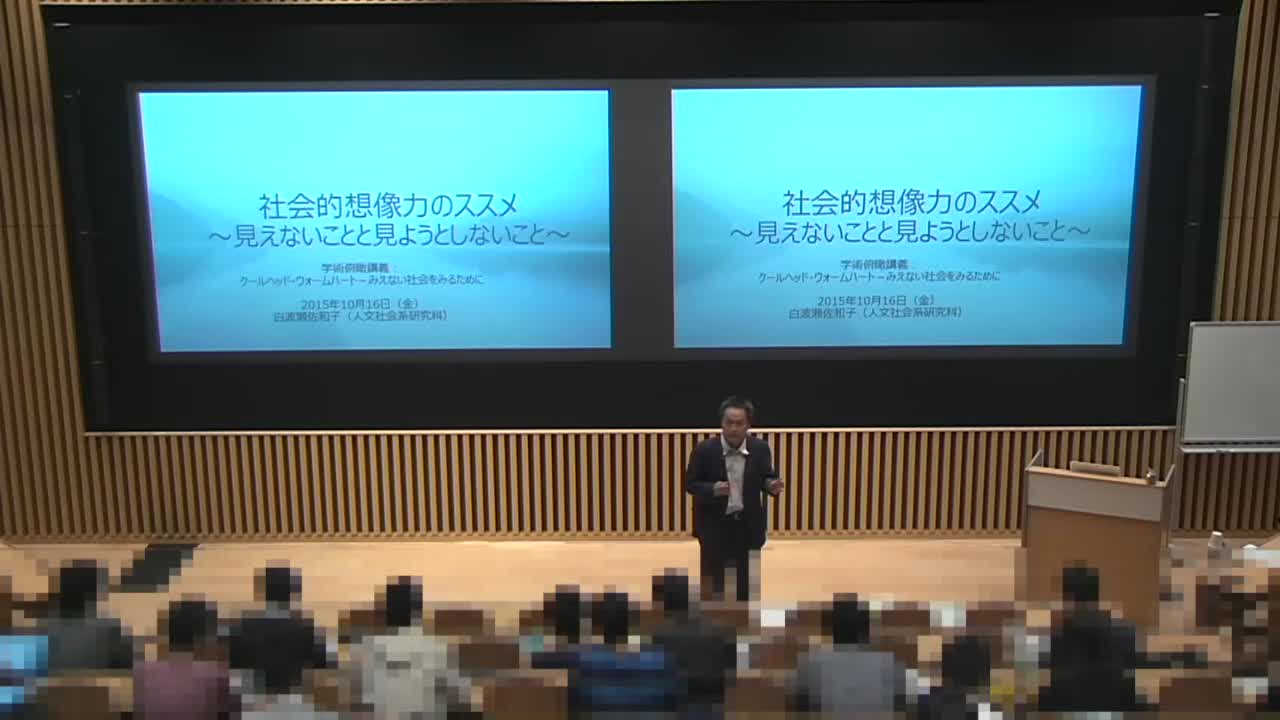
#5 Advancing Social Imagination – What We Cannot See and What We Do Not Try to See

When asked “what is society?” what kinds of images come to mind? Although many terms and phrases share their root with the word “society,” such as social problem and social phenomenon, it is difficult to visualize actual society itself. What kinds of tools are there for doing so? We will discuss social imagination in this class.

Lecturer | Sawako Shirahase
1:47
Resources
Available
Available for
Audio-Only
Listening
1:48
Resources
Available
Available for
Audio-Only
Listening

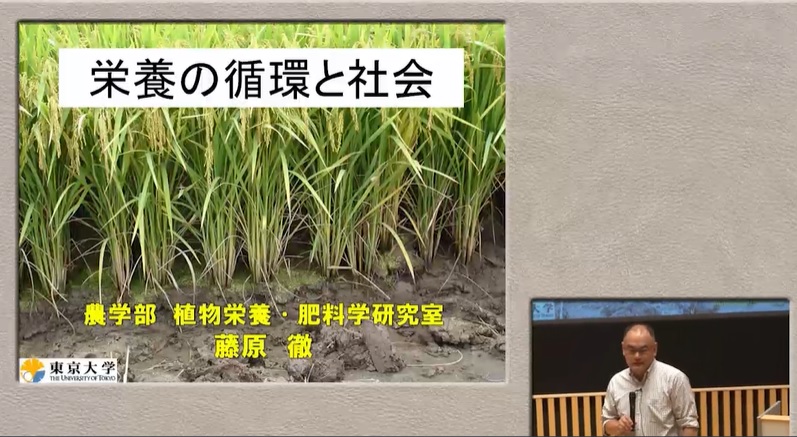
#6 Circulation of Nutrition and the Society

Humans depend on food. Food is created from crops, and crops grow by drawing nutrition from the ground. As humans consume food, food is discharged into the environment in different forms. This lecture will consider the effects of these human activities on the society, and discuss the future vision.

Lecturer | Toru Fujiwara
1:48
Resources
Available
Available for
Audio-Only
Listening
Resources
Available

#7 Economic Society and Risk-taking

Players in economic activities always face risks and are forced to make decisions on how they should take risks vis-à-vis a future that cannot be seen. This lecture introduces the ways economists analyze risk-taking behaviors in areas such as financial markets and companies, and considers the ways of confronting risks in the global economy.

Lecturer | Ryuzo Miyao
Resources
Available
1:43
Resources
Available
Available for
Audio-Only
Listening

#8 Japan’s Economy and the Labor Market

The environment surrounding Japan’s economy is changing drastically today. These changes include Japan’s falling birth rate and aging population, progress of informatization, and the rise of newly developing countries. Amid such environmental changes, what kinds of problems does Japan’s economy face, and what socioeconomic systems will be demanded going forward? This lecture considers the present…

Lecturer | Hiroaki Miyamoto
1:43
Resources
Available
Available for
Audio-Only
Listening
1:45
Resources
Available
Available for
Audio-Only
Listening

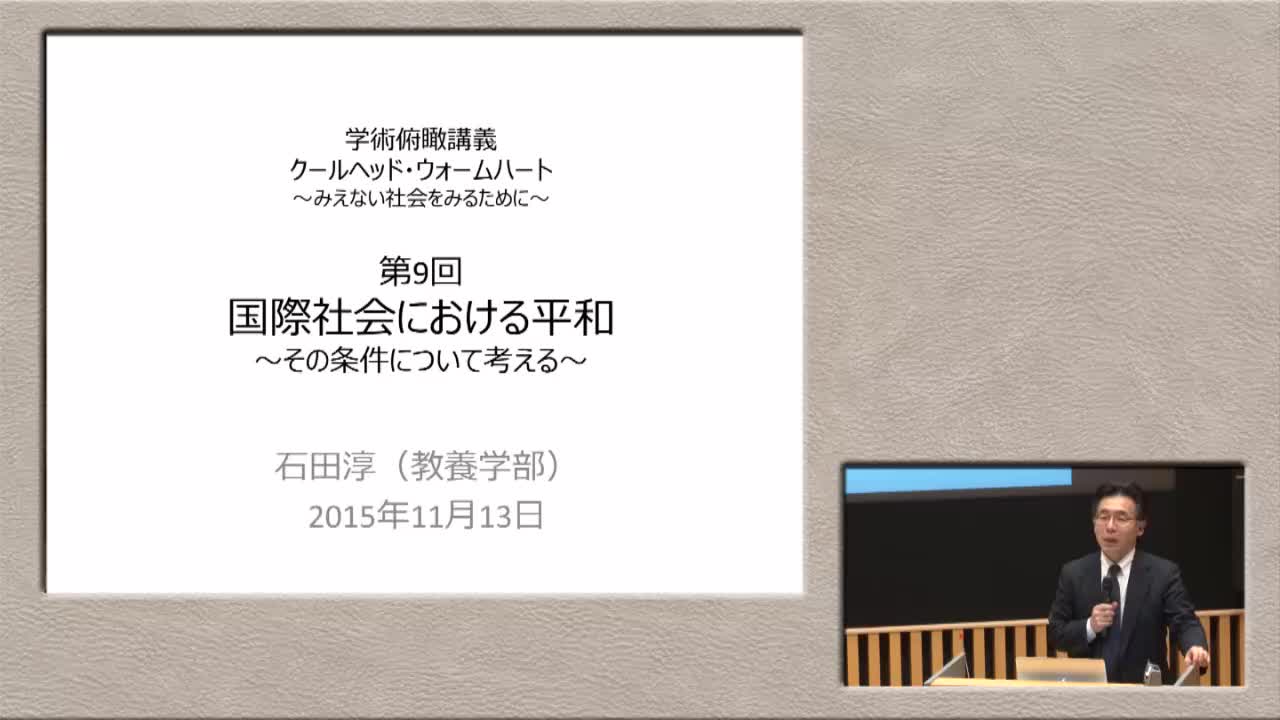
#9 Peace in the International Community – Thinking about Its Conditions

What is the international community? What is peace? And, what are the conditions of peace in the international community? These questions will be discussed from the standpoint of international relations.

Lecturer | Atsushi Ishida
1:45
Resources
Available
Available for
Audio-Only
Listening
1:34
Resources
Available
Available for
Audio-Only
Listening
UTokyo
Community
Only

#10 At an Opening between Zero Profit and Irrationality – The Hopes of Toba Ravine

Why have the village of Otoba and its surrounding villages in Wakasa Town, Fukui Prefecture, shared administrative burden, even though there are no apparent benefits? Going forward, what should be done so that this sharing would not reach an irrational level?

Lecturer | Kaoru Iokibe
1:34
Resources
Available
Available for
Audio-Only
Listening
UTokyo
Community
Only
Resources
Available

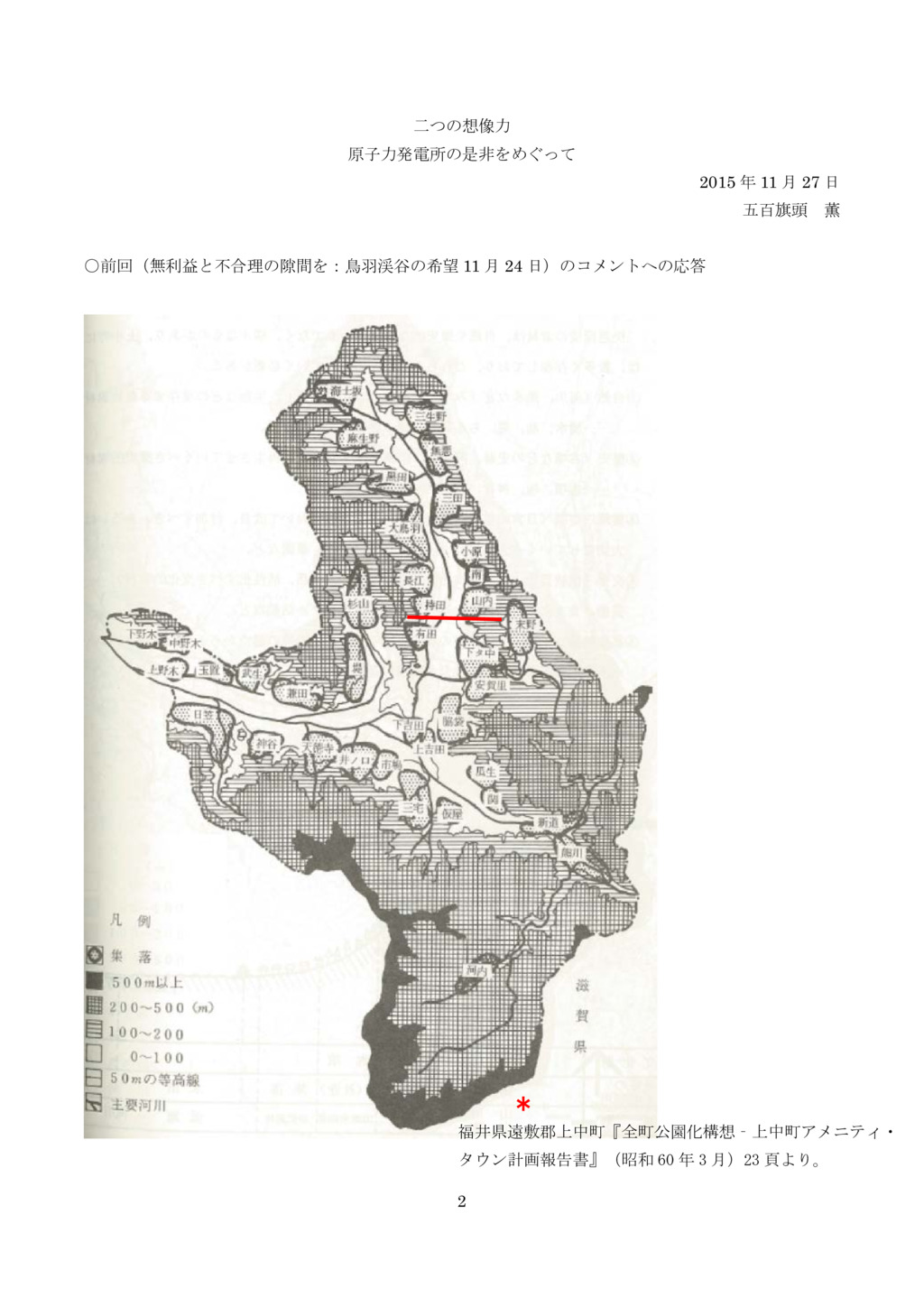
#11 Two Kinds of Imagination – Pros and Cons of Nuclear Power Plants

To move on from nuclear power plants, it is said that an imagination that transcends immediate economic benefit and demand for electricity is required. To host nuclear power plants to a place where there had been no power plants, another kind of powerful imagination was necessary. This lecture considers the features of these two kinds of imagination.

Lecturer | Kaoru Iokibe
Resources
Available
1:48
Resources
Available
Available for
Audio-Only
Listening

#12 History of Political Thought and Modern Society

Are the classics of the history of political thought something that involve stories in a far-away country and in the distant past that nobody understands well today? This lecture explores the ways to read such classics, so that they can provide nourishment for us who live in the modern society.

Lecturer | Shigeki Uno
1:48
Resources
Available
Available for
Audio-Only
Listening
1:34
Resources
Available
Available for
Audio-Only
Listening

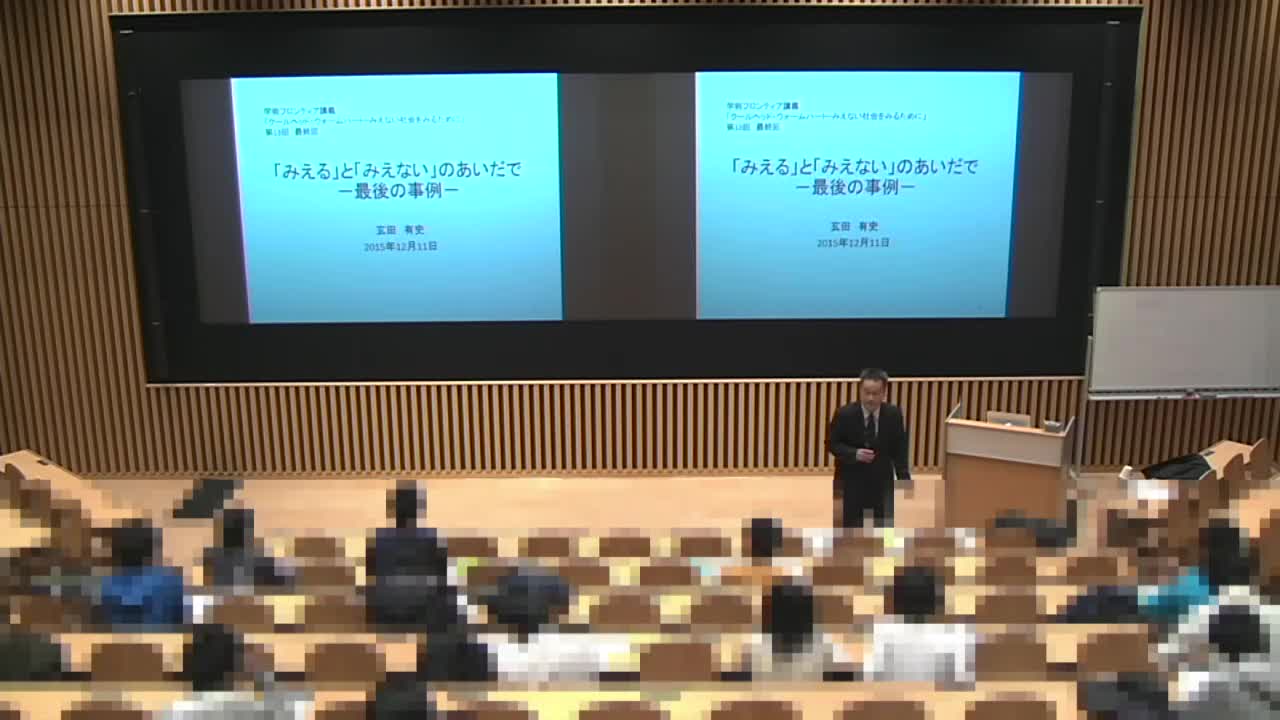
#13 Course Summary – Being in between “Visible” and “Invisible”

This lecture reviews the course through the previous 12 lectures. Through discussions with students, the lecture will consider the ways in which we can become aware of social problems that are difficult to see, and seek clues to solutions of such problems.

Lecturer | Yuji Genda
1:34
Resources
Available
Available for
Audio-Only
Listening
Back to Series List