

UTokyo Open Lectures: Deception






2

2

1
Content List
Well Deception
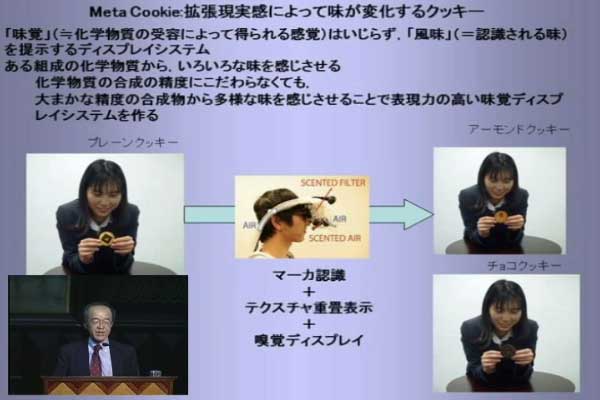

#1 Perceptual Illusion and Virtual Reality Technology
Nowadays it is possible to design artificial sensory stimulus using basic theories and sensory interaction. Virtual Reality (VR) is a digital technology which provides simulated experiences. Since experience and aesthesia are not separable, VR may be called the technology of sense. This lecture illustrates how VR technology affects in particular the haptic sense, olfactory perception, and taste s…
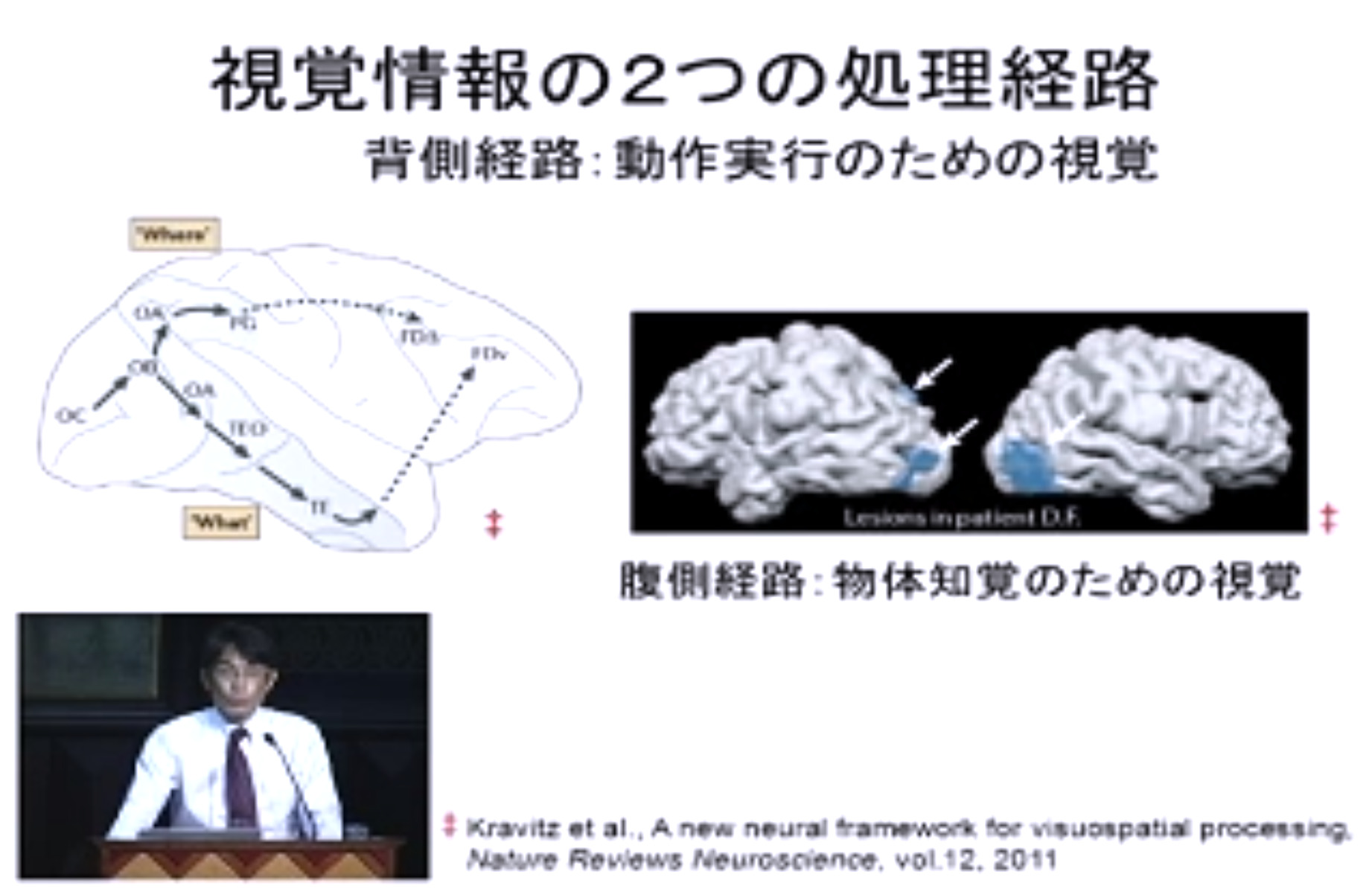
#2 Deception for Embossing Mechanism of Body Control by Brain
Motor learning forms a cerebral controller that incarnates in sophisticated body motions come from your trials and errors experiences. As the phrase “learn by body”, this process will be working on unconsciously, and it indicates you might be adapted different visual environment or bodily sensation by sensual deception. This lecture highlights brain deception and forming mechanism of body control…
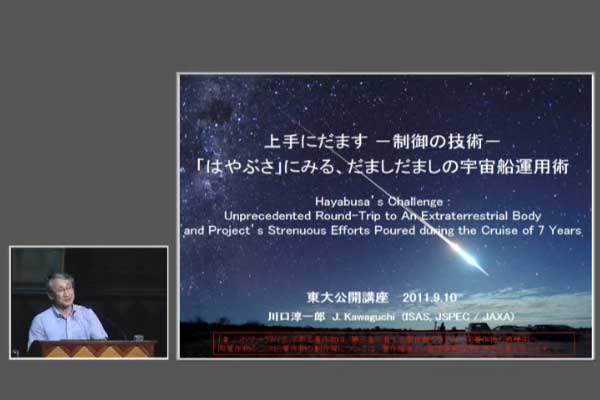
#3 Trying Any Trick to Space Sailing: Case of Spacecraft Hayabusa
Hayabusa, the spacecraft that attempted a round trip between the asteroid Itokawa, succeed to complete world-first mission in 2010. Despite it bumped into a number of troubles and accidents, Hayabusa and its project team got over pinches trying any trick. This lecture introduces their efforts and reality of the project. NOTE: - No subtitles. This lecture was conducted only in Jap…
Deception and Psychology
#5 Narration and Deception
From the standpoint of “deception” as a necessary evil in human society, we will attempt to view it as more than a simple expedient, and thereby seek to restore the reputation of deception. NOTE: - No subtitles. This lecture was conducted only in Japanese.

Available
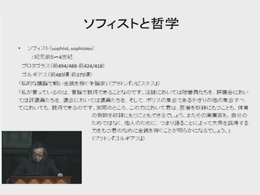
#6 Deception and Philosophy
In this lecture, while using controversies in the history of philosophy as our study materials, we will consider the internal relationships between things related to the search for truth and deceptive things. NOTE: - No subtitles. This lecture was conducted only in Japanese.
Available
Deception in Medical Care
#7 Placebos (false drugs)
In this lecture we will examine the diverse characteristics of placebos, including the nuances of the origin of the term placebo, similar terms found in the cultural zone which employs Chinese characters (kanji), the way placebos are prepared in clinical trials, differences between their uses in clinical trials and treatment, and the relevant ethical considerations. NOTE: - No su…

#8 Using Silkworms as Experimental Animals to Develop Pharmaceuticals
In regards to experiments to evaluate the therapeutic effects of pharmaceuticals, we need to solve issues related to cost and protection of animals. Consequently, we (scientists) have accepted the challenge to develop models for diseases through the use of silkworms, and are using these to develop new drugs. NOTE: - No subtitles. This lecture was conducted only in Japanese.
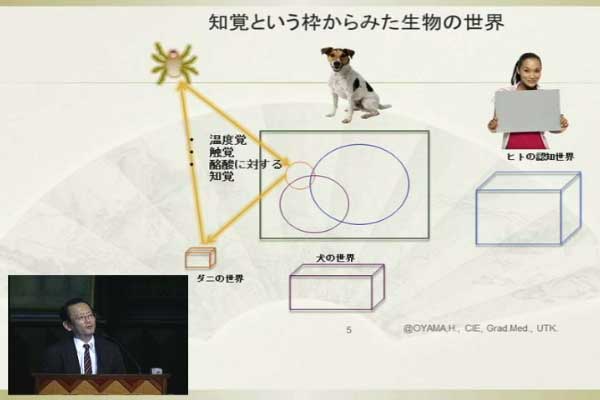
#9 Medical Science and Deceived Space Perception
What is presence for our sense? Artificial presence such as 3D TV can be reworded as sense of deceived space perception invoked by engineering stimulation. This lecture explains this sort of presence from medical point of view, and mentions its practical application. NOTE: - No subtitles. This lecture was conducted only in Japanese.
Deception in Nature
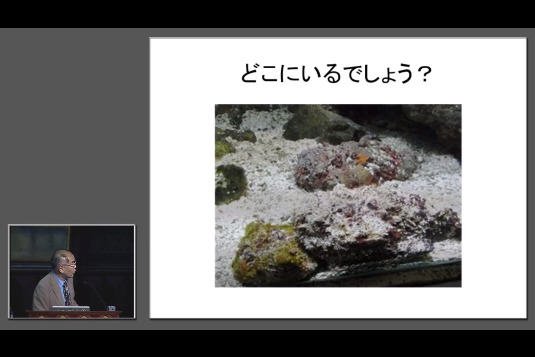
#10 Animal Camouflage
Creatures often deceive others in order to reduce assault risks or make breeding opportunities. This lecture introduces several examples of those phenomenon focusing on vertebrate animals. NOTE: - No subtitles. This lecture was conducted only in Japanese.

#11 Mimicry of Insects: Evolution of Bugs’ Deception
Insects have various and sophisticated mimicries in order to protect themselves from predation. Mimicry is a complicated phenomenon which consists of model, mimicker, and information receiver. This lecture focuses on mimicking for deception and introduces its mechanism and examples. NOTE: - No subtitles. This lecture was conducted only in Japanese.
 Back to Series List