

UTokyo Open Lectures: Unnecessity and Waste





0

0

0
Content List
What is the Unnecessity? What is Waste?
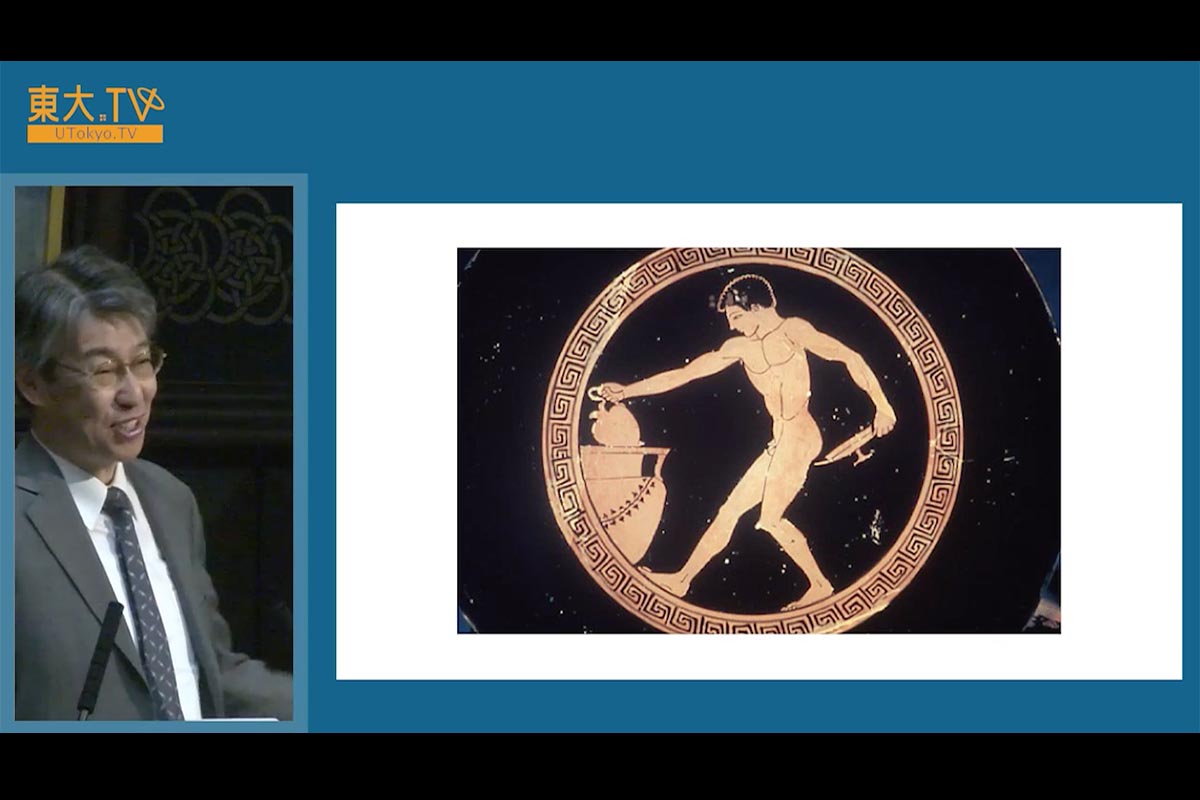

#1 Three "Wastes" in Ancient Greece [JP]
The Ancient Greeks had at least three customs which seem to us to be waste of time and money. First, their trial system involves too many citizens and requires too much money. Second, rich people often have a drinking party (symposium). Third, they sacrifice a lot of domestic animals for the deities. Are these customs mere wastes of time and money? Or do they have any hidden meaning? N…
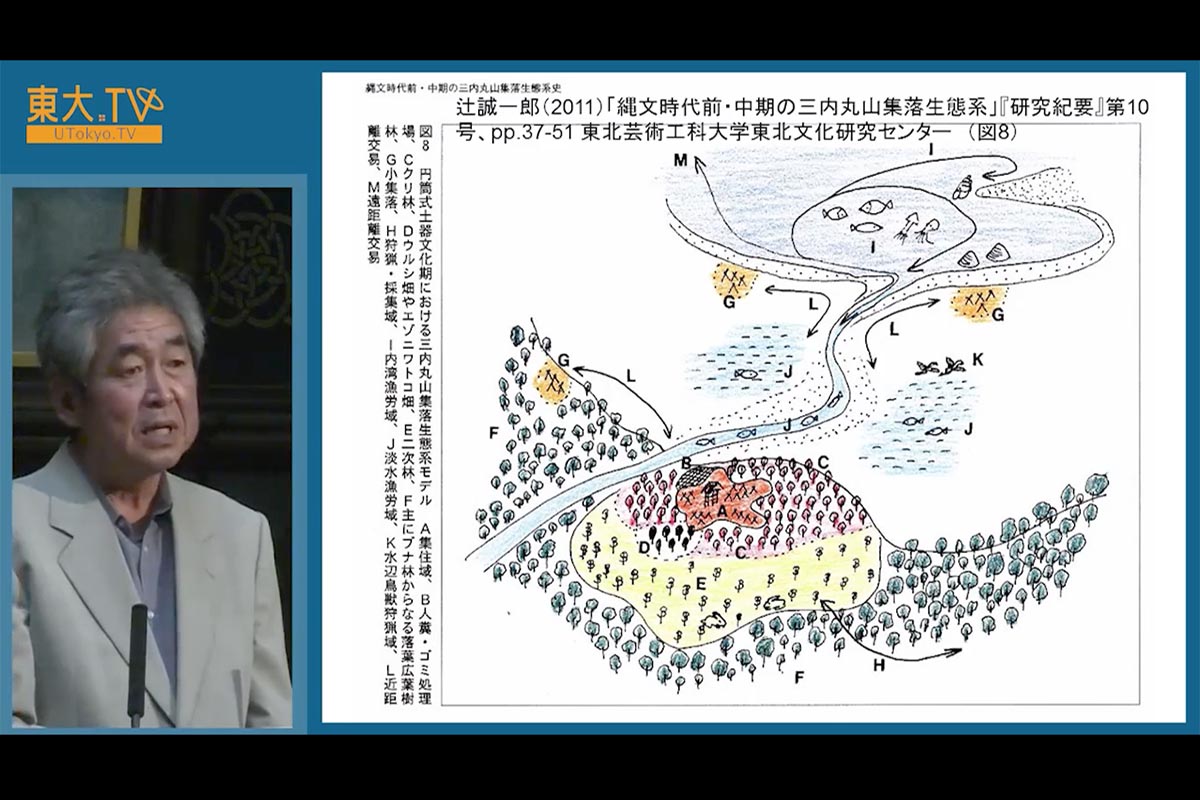
#2 Considering the "Wastes" in History and Their Future [JP]
In the history of Japan, rice cropping and forestry are sometimes considered as waste. Prof. Tsuji talks about the hidden wastes and their use, based on ecological knowledge. NOTE: - This lecture was conducted only in Japanese.
Cutting Waste
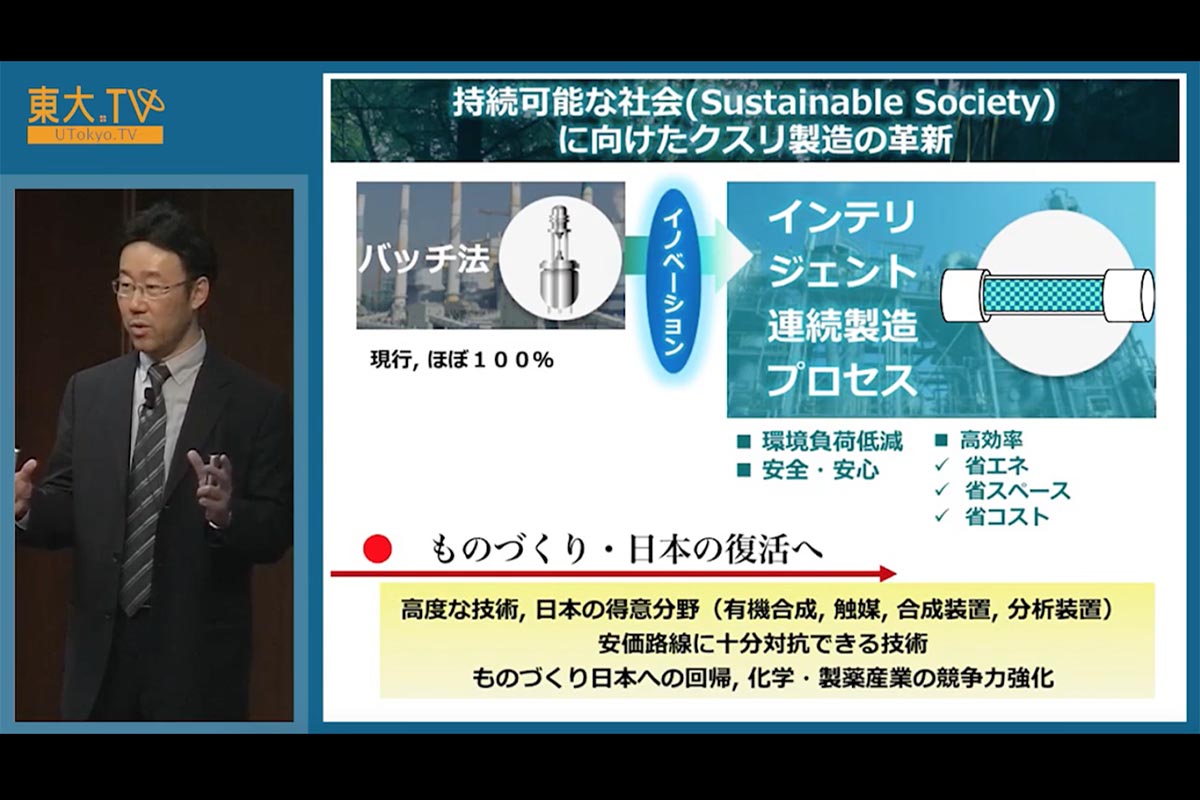
#3 Drug Production with Less Waste [JP]
Most of drugs we take are produced by chemical synthesis, thereby emitting huge waste. To produce 1kg of drug brings more than 100kg of waste. Prof. Kobayashi talks about how to produce drugs with less waste, from the perspective of "green chemistry". NOTE: - This lecture was conducted only in Japanese.
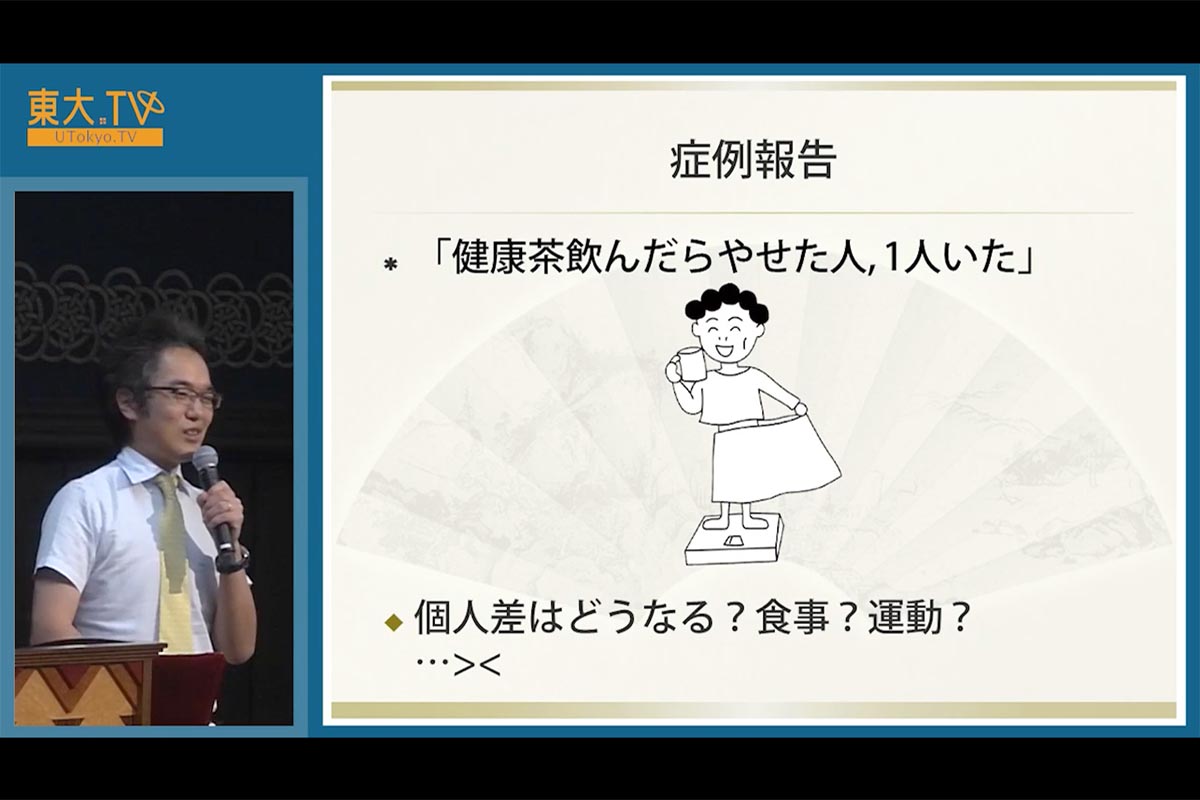
#4 What is "Waste" in Medical Treatment? [JP]
What is the "wasteful" medical treatment? How is it possible to distinguish the medical treatment that is "wasteful" from the one that is not? We should not just think about money. Effectivity does also matter. Prof. Igarashi introduces a method of evaluating the medical wastefulness. NOTE: - This lecture was conducted only in Japanese.
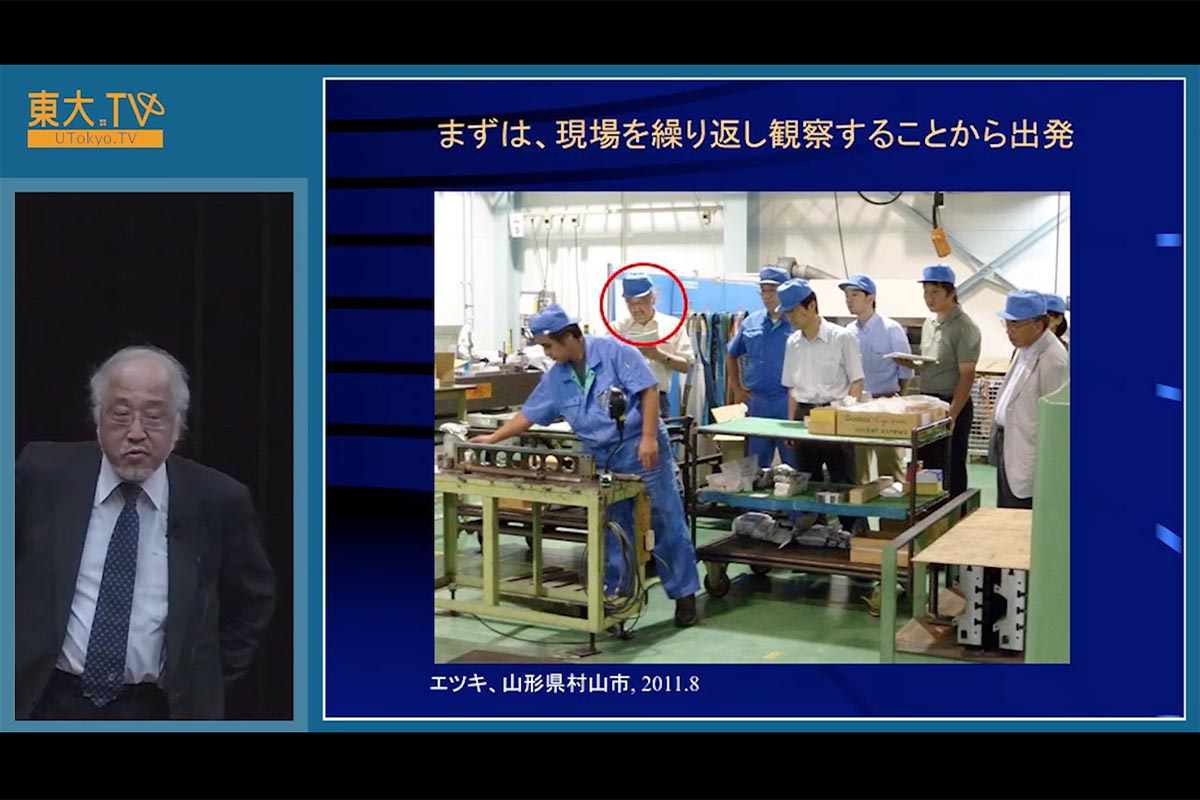
#5 Cutting Waste in Industrial Production and the Growth Strategy [JP]
Getting rid of the waste in industrial production is a key to improve the productivity and the economical growth. Looking on the reality of production processes, Prof. Fujimoto argues about what the waste is and how to cut it. NOTE: - This lecture was conducted only in Japanese.
 Back to Series List