

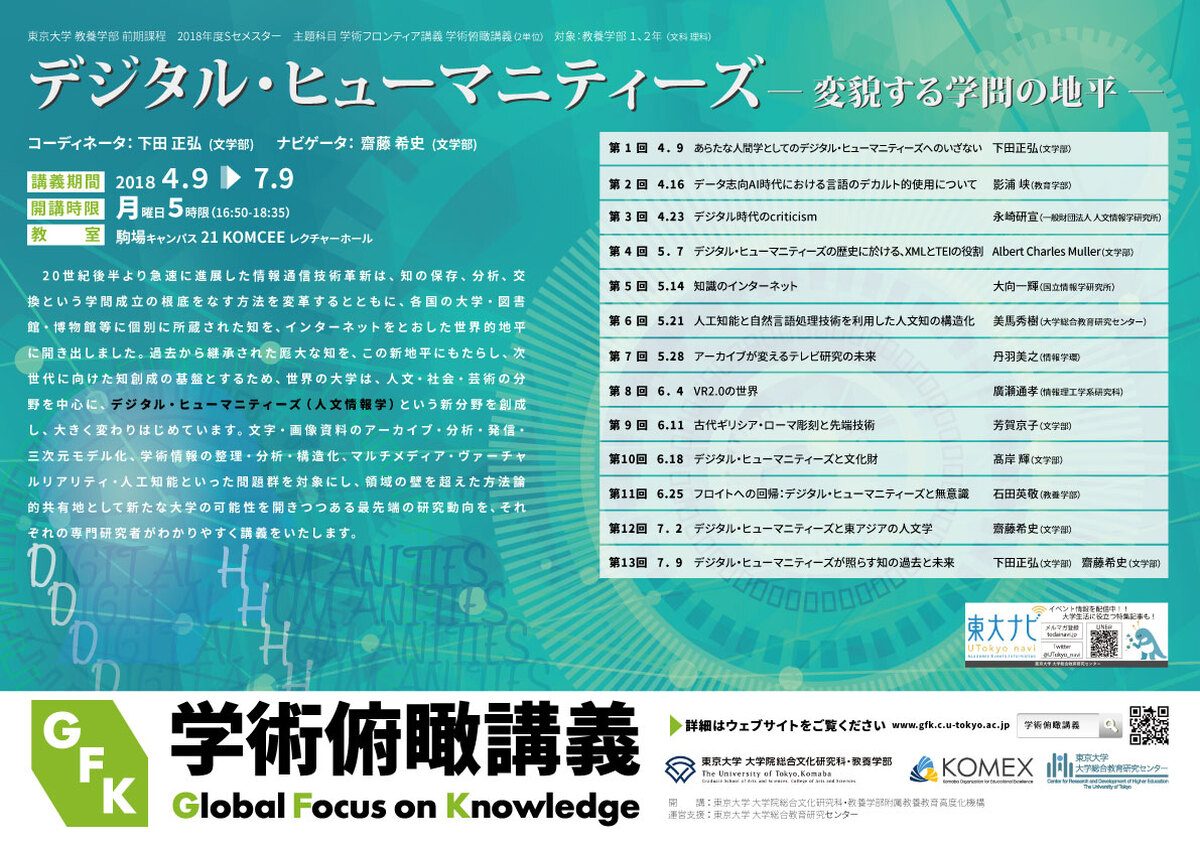
Digital Humanities: The Transfiguration of the Academic Horizon (Global Focus on Knowledge)





1

1

1
Content List


Available

Audio-Only
Listening
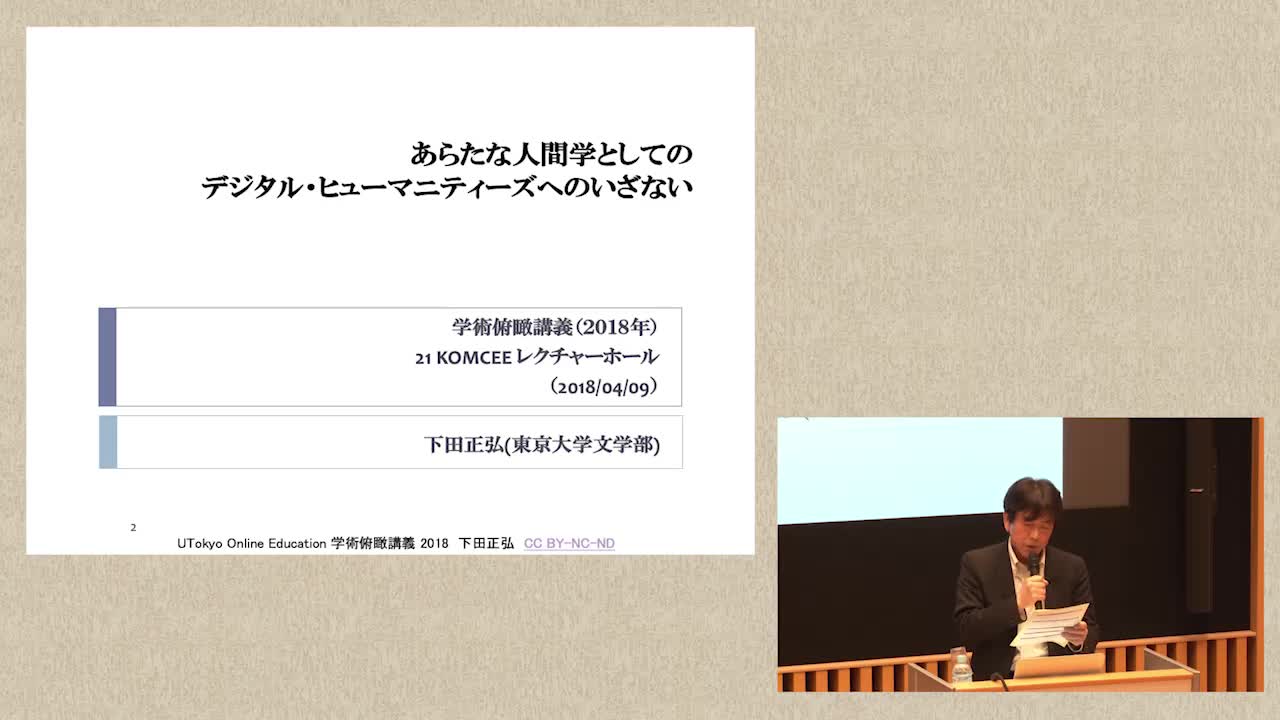
#1 Invitation to the New World of Humanities Known as Digital Humanities
人類は、前世代が記録や痕跡として残したいとなみを、読み解き、読み解くことをとおして、新たな成果を生み出し、さらにそれを記録し、次世代へと引き渡してきました。言語を有し、言語を精緻に発展させた人類は、流動的世界を言語の内部に保蔵し、再度開顕するような力を発揮することで、世界を意味に変えつづけています。デジタル時代に入り、この人間のいとなみは、以前に比して、はるかに先鋭的なかたちで現れつつあります。…
Available
Audio-Only
Listening
Available
Audio-Only
Listening
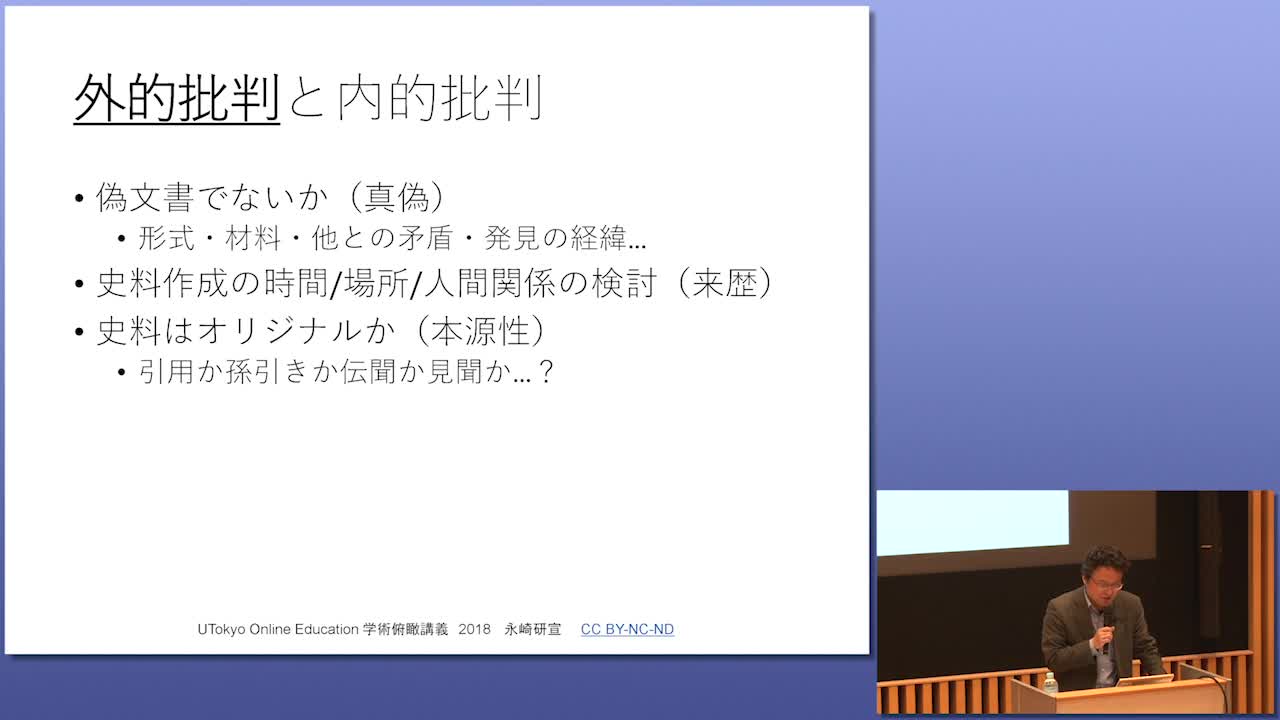
#3 Criticism in the Digital Age
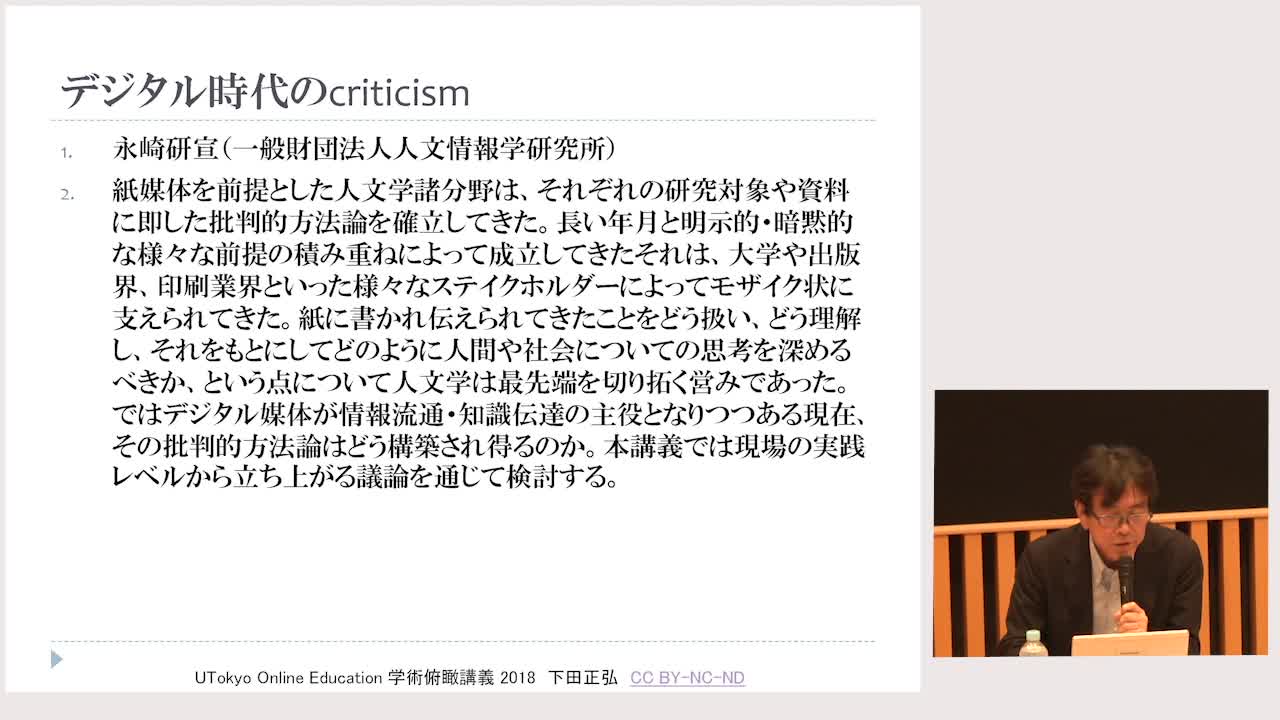
こちらの講義の概要をだいふくちゃん通信でもご紹介しています。 ⇒デジタル技術は“criticism”をどう変えられるのか(だいふくちゃん通信)
Available
Audio-Only
Listening
Available
Audio-Only
Listening
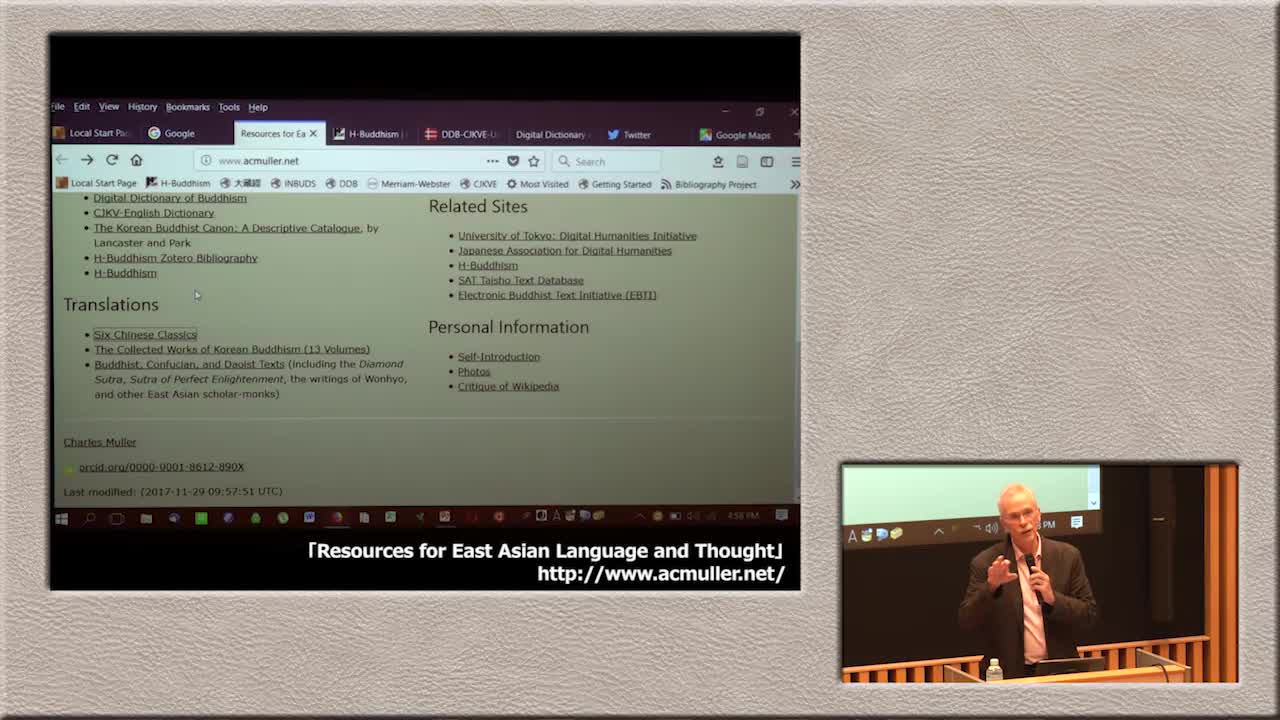
#4 The Role of XML and TEI in the History of the Digital Humanities
デジタル・ヒューマニティーズの歴史は1960年代にさかのぼるが、現実的に言えば、1980年代半ばにPCが登場するまでは広範に発展しなかった。 その後、研究者は自分のコンピュータ上でテキストの入力と分析を開始した。 すぐ後で、いわゆるマークアップ言語が出現した。最も重要であるのは、SGML(後でXMLに進化する)だった。 これらのマークアップ言語が広く使用されるにつれ、人文学者はテキストをタグ付けする体系的な方法が開発…
Available
Audio-Only
Listening
Available
Audio-Only
Listening
#5 Internet of Knowledge
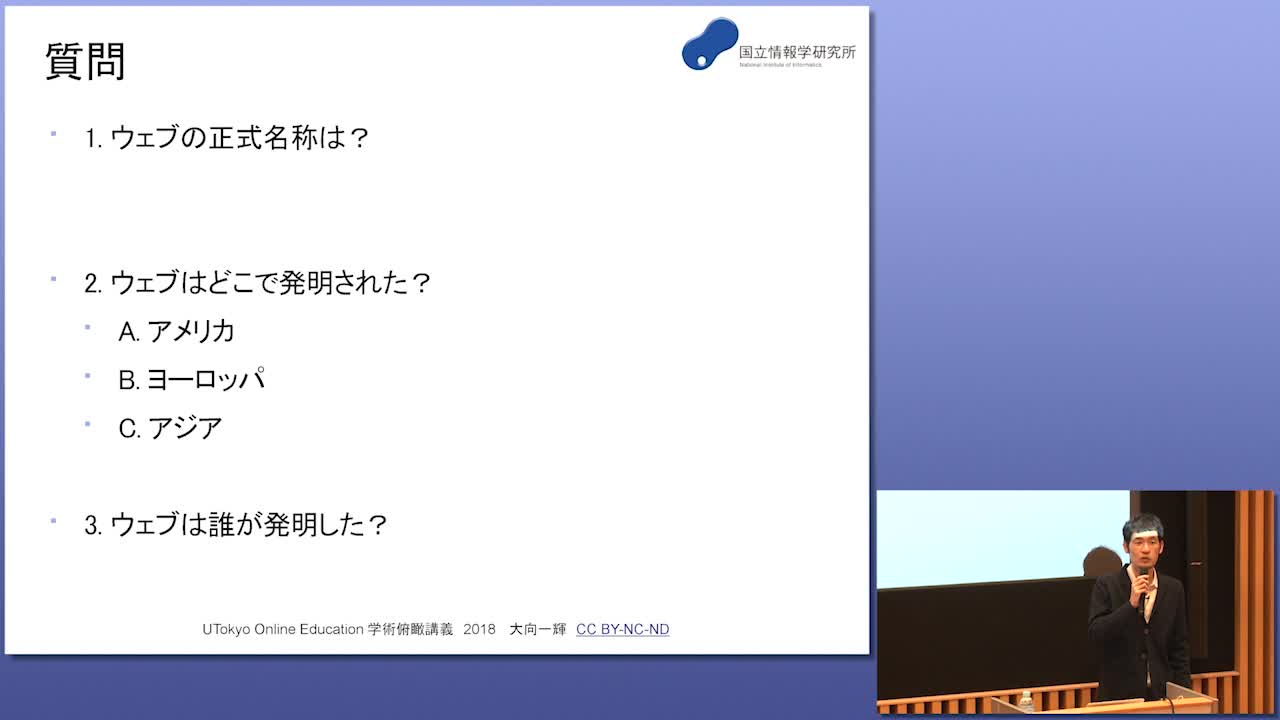
人々による知的活動の成果を時間や場所を越えて共有するために、知識の記述方法や、その知識に効率よくアクセスするためのよりよい仕組みが常に模索されてきました。インターネットやウェブは分散的な情報管理とリンクによる関係づけによって、情報量の飛躍的な増大と流通の円滑化をもたらしましたが、その先には多様な専門分野を総合的に理解して適切な情報を入手するための手法や、それらの作業を人間だけでなくコンピュータに…
Available
Audio-Only
Listening
Available
Audio-Only
Listening
#6 Structuring Knowledge of Humanities Using Artificial Intelligence and Natural Language Processing
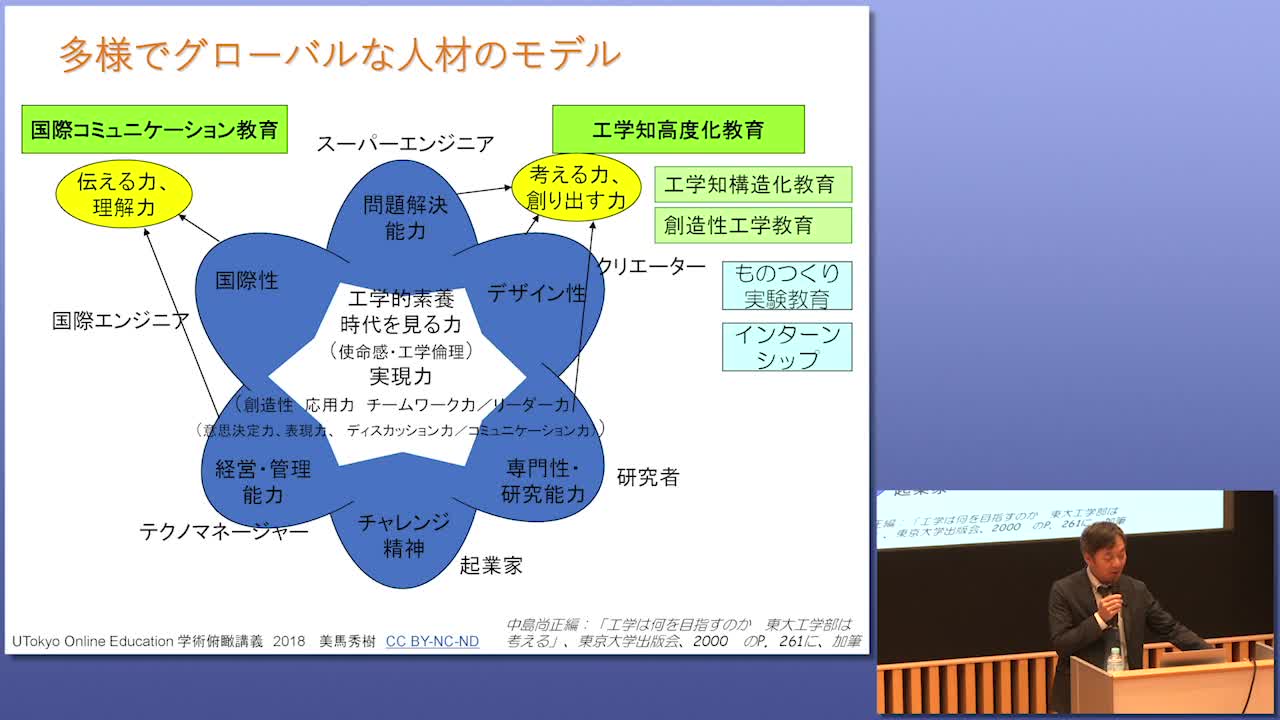
こちらの講義の概要をだいふくちゃん通信でもご紹介しています。 ⇒【東大の授業の関係性が可視化される?】人工知能で人文知を構造化する方法について(だいふくちゃん通信)
Available
Audio-Only
Listening
Available
Audio-Only
Listening
#8 The World of Virtual Reality 2.0
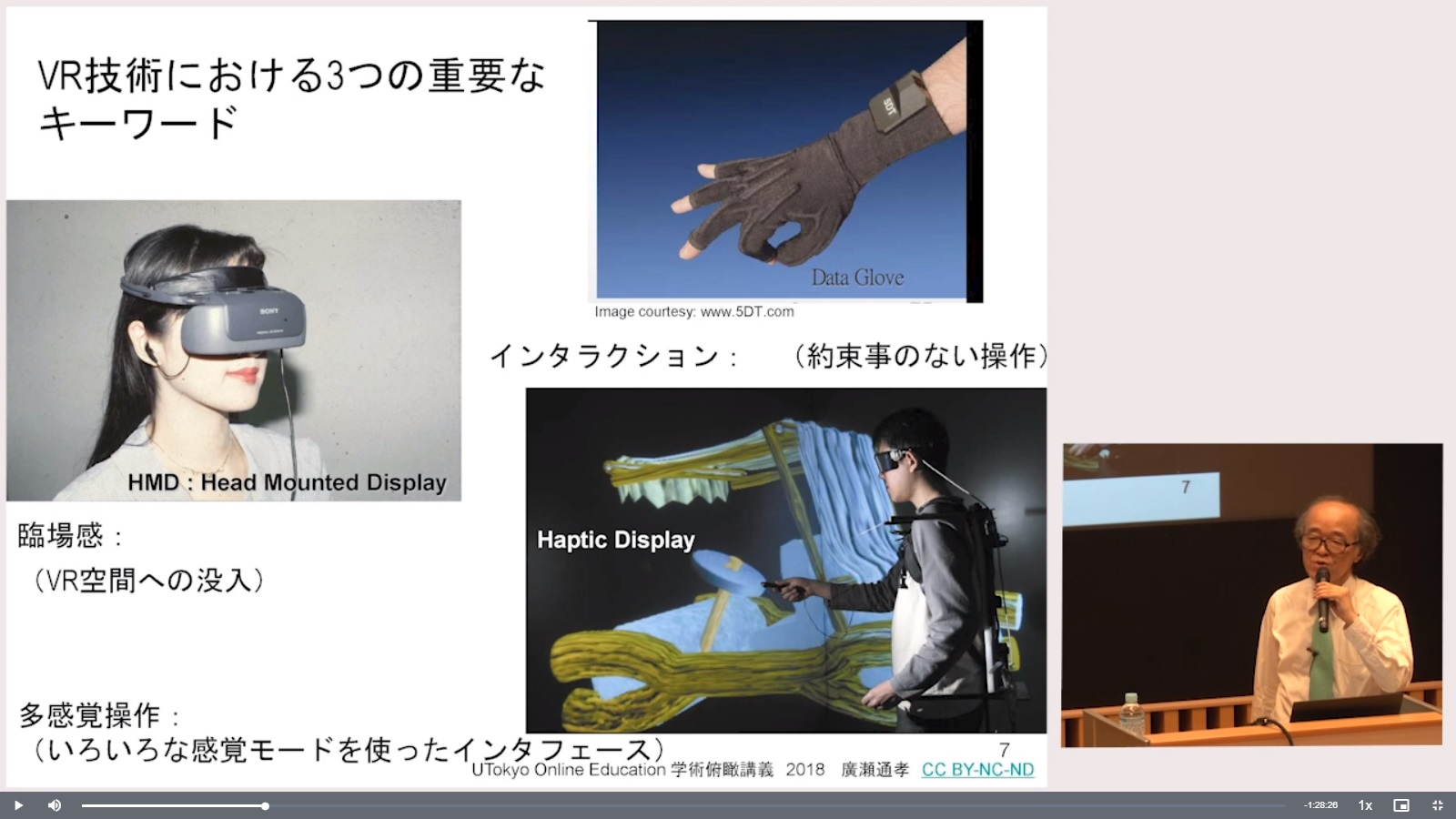
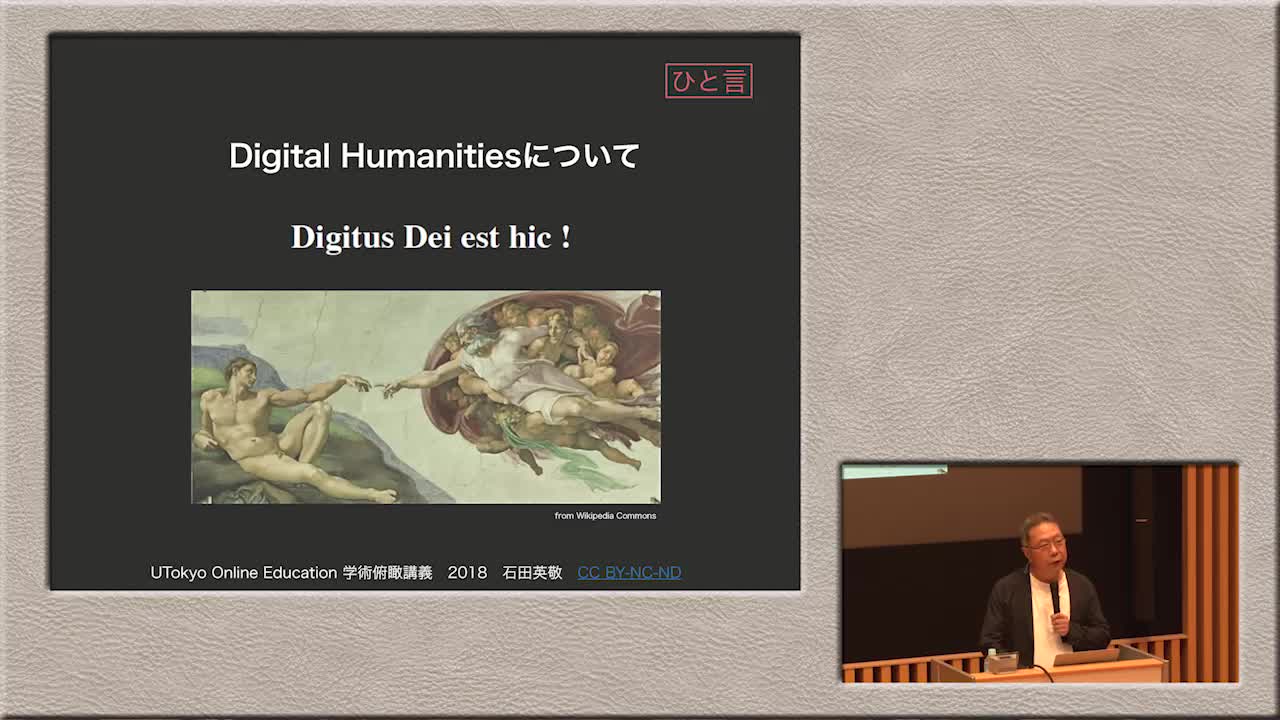
昨今、VR技術が注目を集めている。VRという言葉がはじめて使われたのが1989年のことであるから、今回は2周目のブームということになる。もちろん、当時と今とでは技術的・社会的な環境が全く異なっており、その意味で現在のVRはVR2.0とでも呼ぶべきものであろう。本講義では、VR技術の過去と現在について解説したうえで、この新しいVR2.0はどう進化していくのか、どうわれわれの考え方や産業や社会に影響を与えていくのかについて…
Available
Audio-Only
Listening
Available
Audio-Only
Listening
#9 Ancient Greek and Roman Sculpture through New Technology
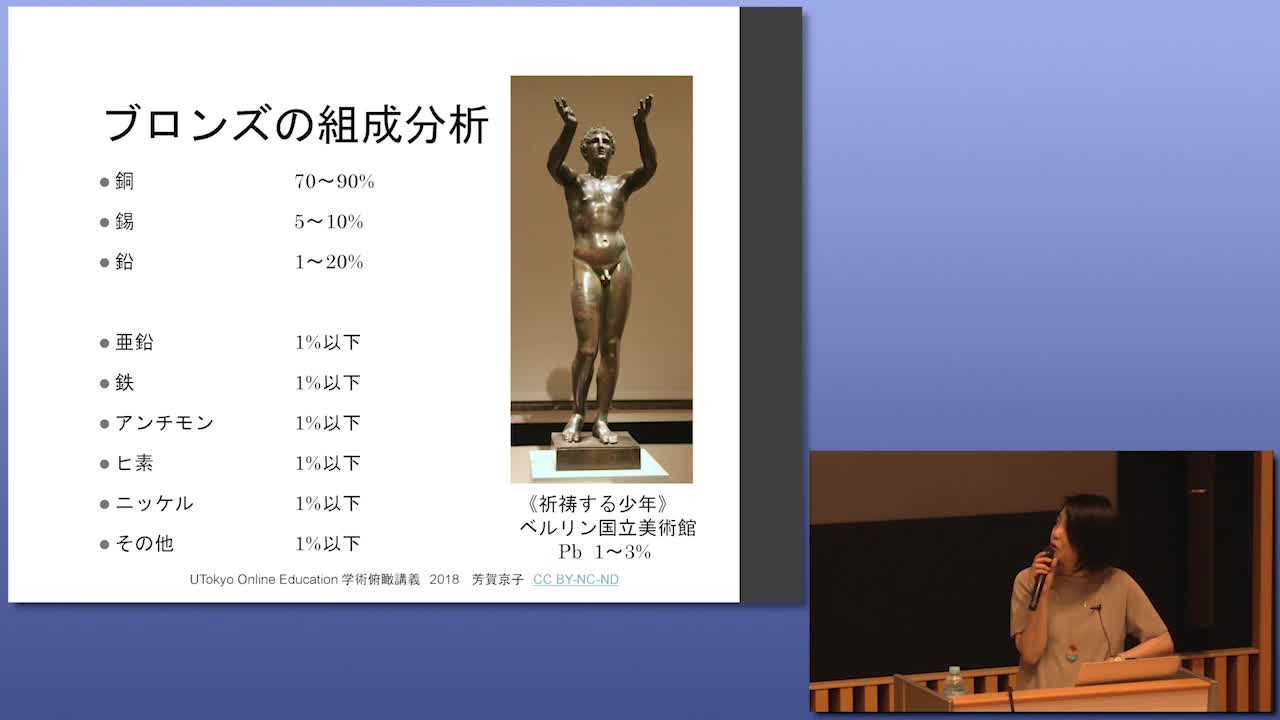
こちらの講義の概要をだいふくちゃん通信でもご紹介しています。 ⇒最先端3D技術で解き明かす古代ギリシア・ローマ彫刻(「古代ギリシア・ローマ彫刻と先端技術」芳賀 京子先生)(だいふくちゃん通信)
Available
Audio-Only
Listening
Available
Audio-Only
Listening
#10 Digital Humanities and Cultural Properties
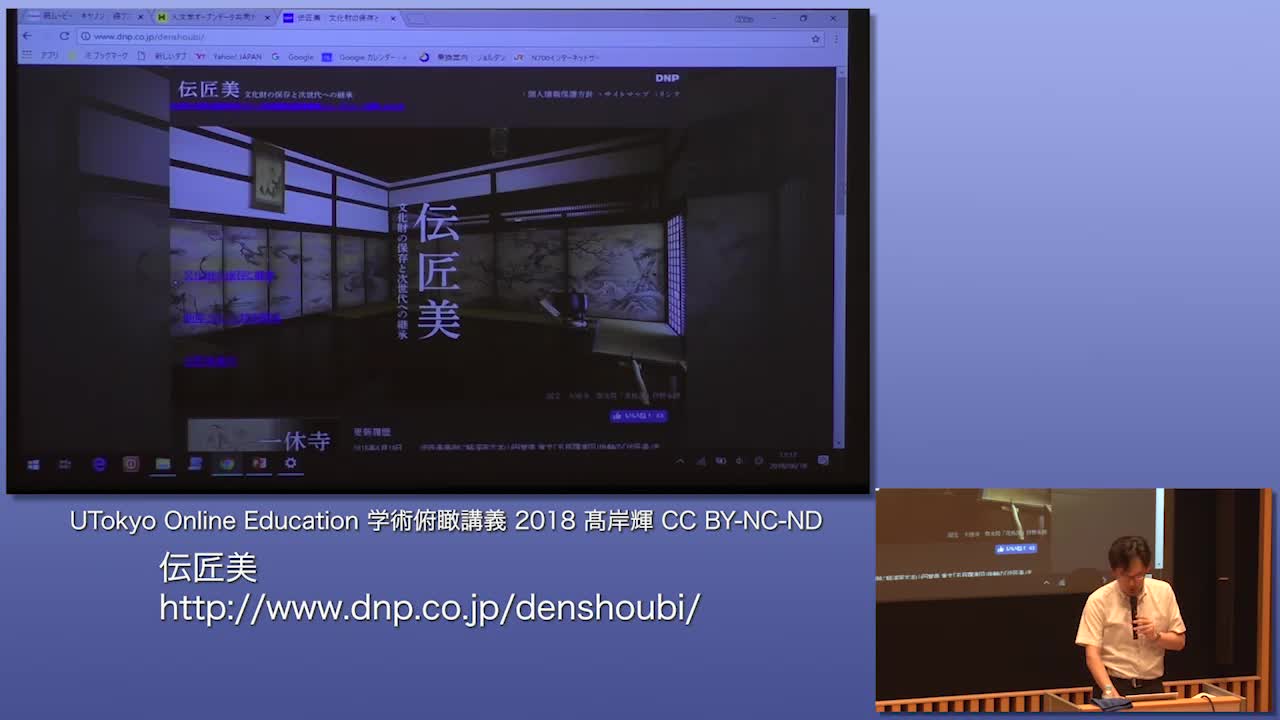
デジタル技術の発展に伴い、古い文化財の保存や公開に関しても新たな潮流が生まれつつある。高解像度の撮影や印刷技術、あるいは3Dプリンタを用いた複製品が、「実物」の文化財に代わって古社寺や博物館・美術館で展示されるようになったのもそのひとつである。本講義では、日本の文化財にかかわるデジタル・ヒューマニティーズ導入の事例を紹介するとともに、その利点と問題点を検証する。
Available
Audio-Only
Listening
Available
Audio-Only
Listening
#11 Return to Freud: Digital Humanities and the Unconscious
こちらの講義の概要をだいふくちゃん通信でもご紹介しています。 ⇒【デジタルで変わるもの・変わらないもの】フロイトに立ち返り、これからの学問の話をしよう(だいふくちゃん通信)
Available
Audio-Only
Listening
Available
Audio-Only
Listening
#12 Digital Humanities and East Asian Humanities
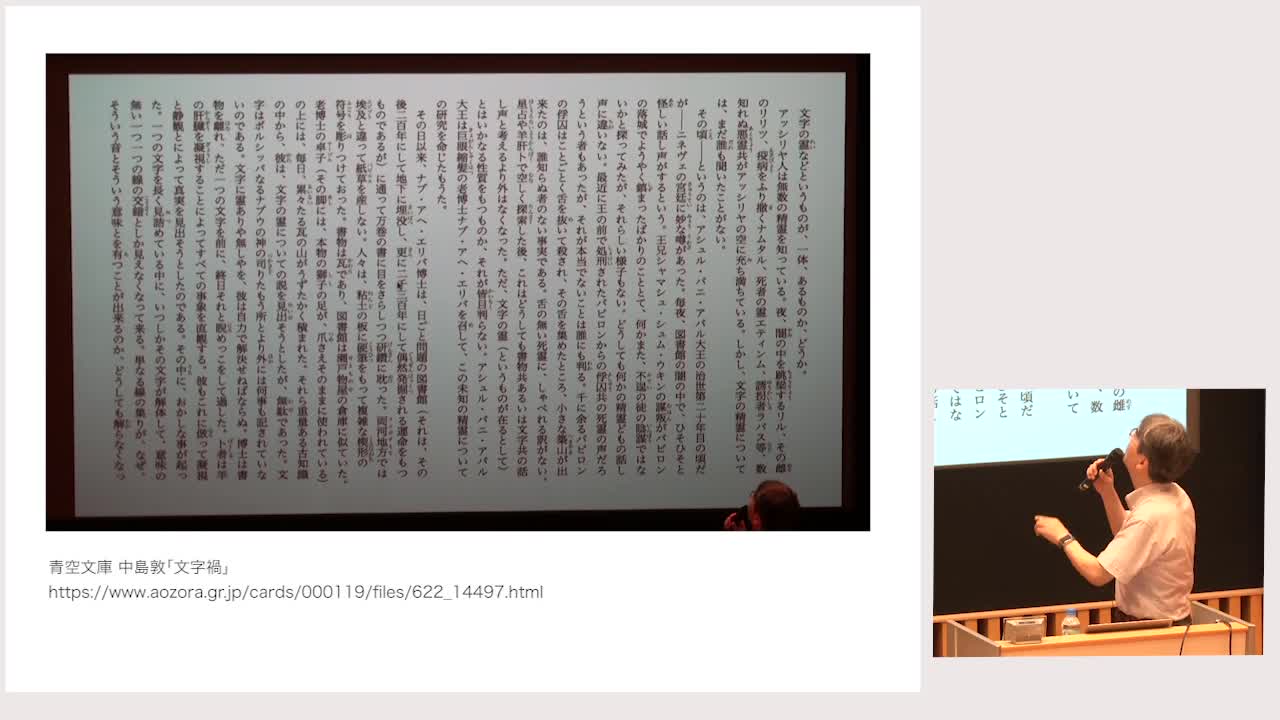
こちらの講義の概要をだいふくちゃん通信でもご紹介しています。 ⇒【デジタル×人文学】青空文庫と紙の本の読書体験はどのように異なるの?(だいふくちゃん通信)
Available
Audio-Only
Listening
Available
Audio-Only
Listening
#13 Retrospection and Prospects of Humanities Knowledge Seen from the Perspective of Digital Humanities
この回は、コーディネータの下田と、ナビゲータの齋藤とが、対談形式で、全12回を概観します。学生からの積極的な応答を受けながら、双方向のコミュニケーションのなかで、人類が文化を生み出すこと、記録すること、読みとくこと、継承することの意義を、デジタル時代という地平において確認してみましょう。そこからは、過去と未来とが混淆しているような、新鮮な事態が見えてくるでしょう。
Available
Audio-Only
Listening
 Back to Series List